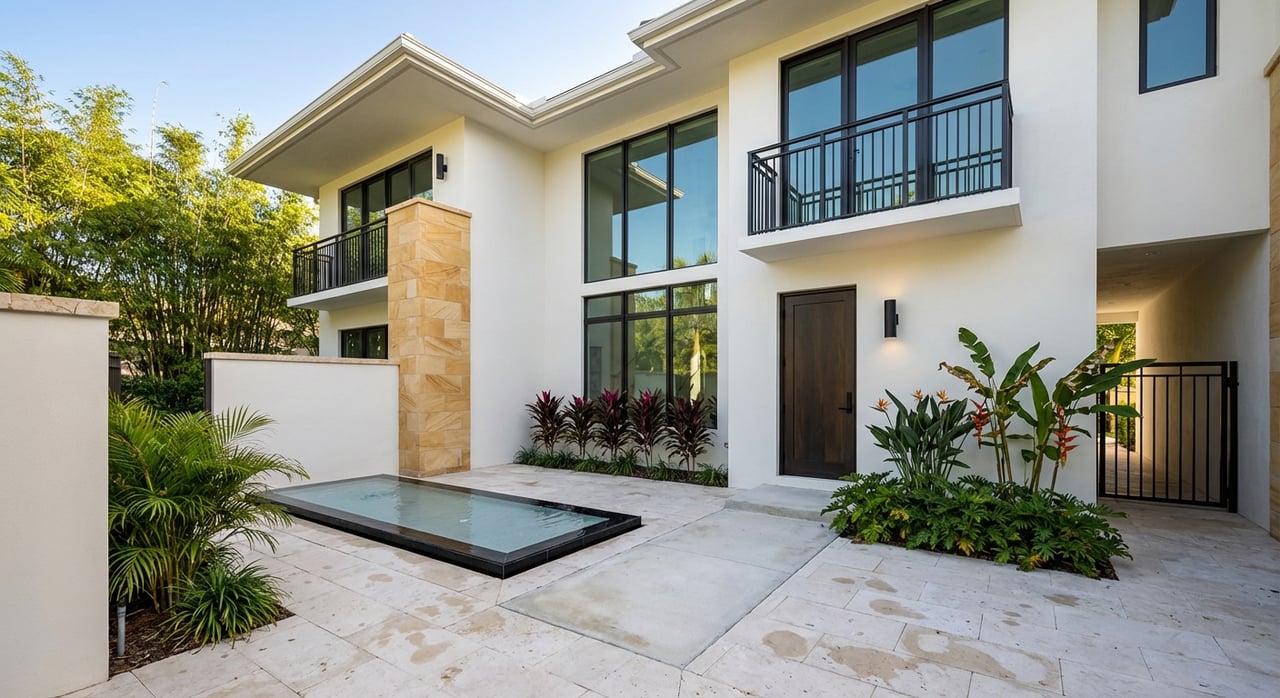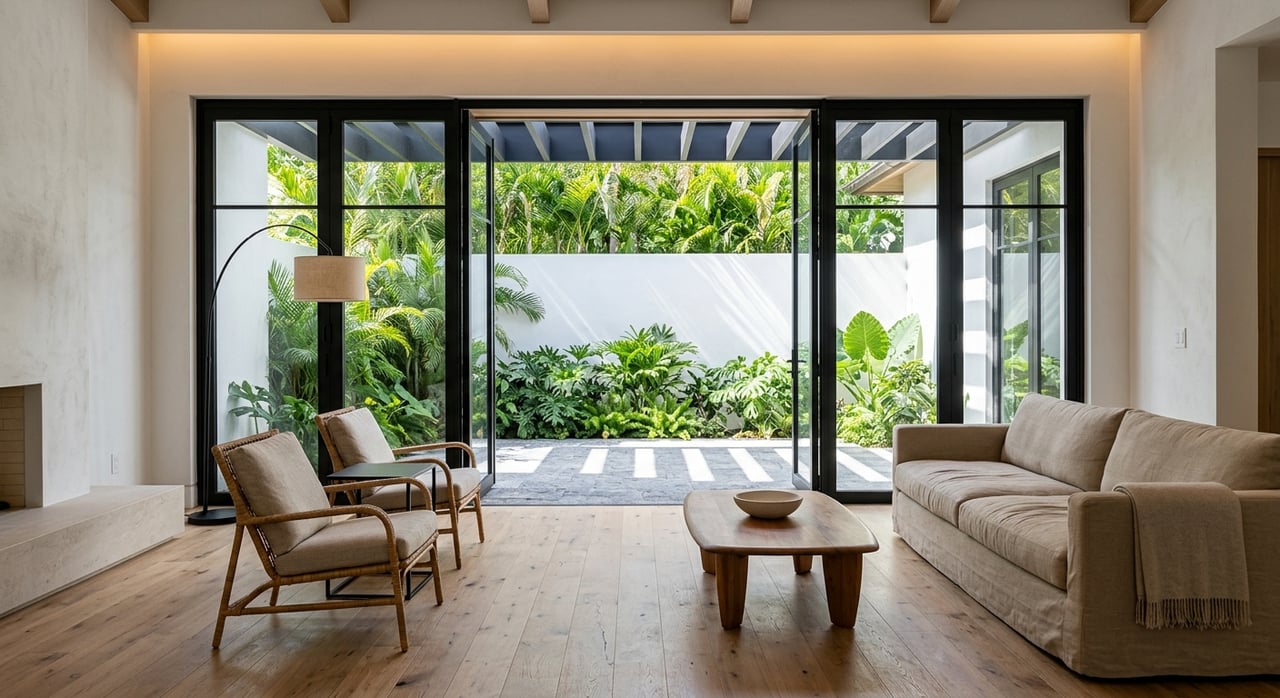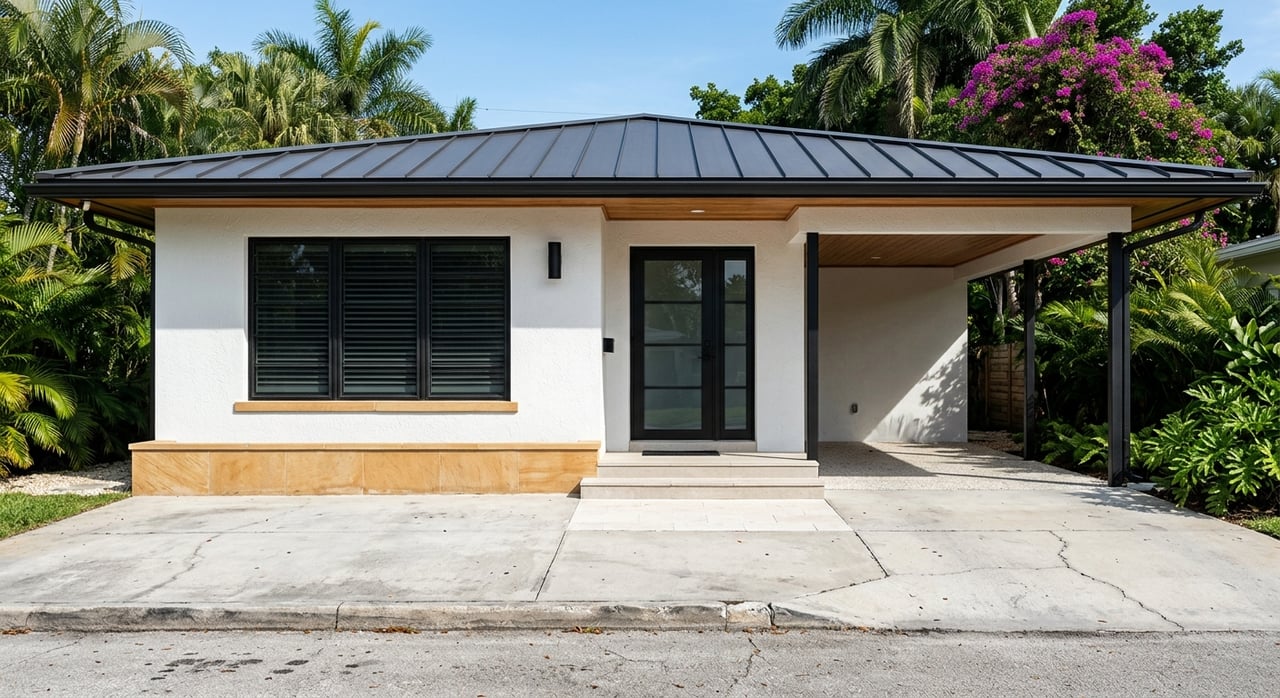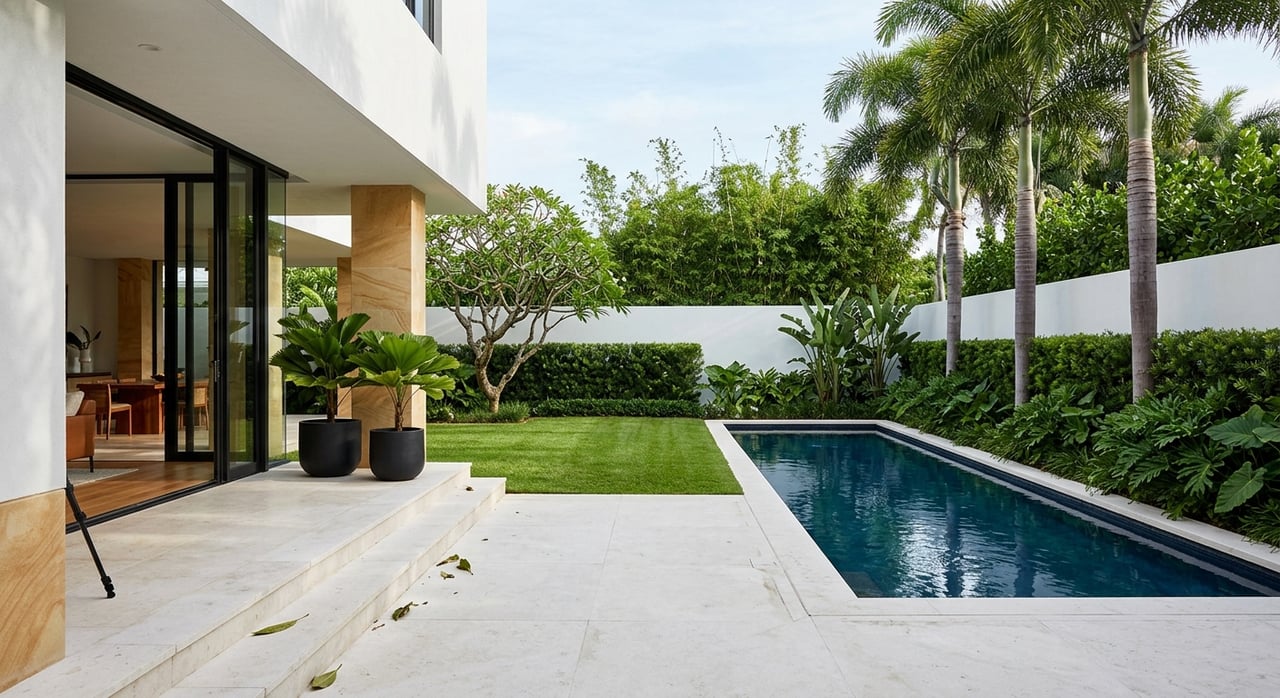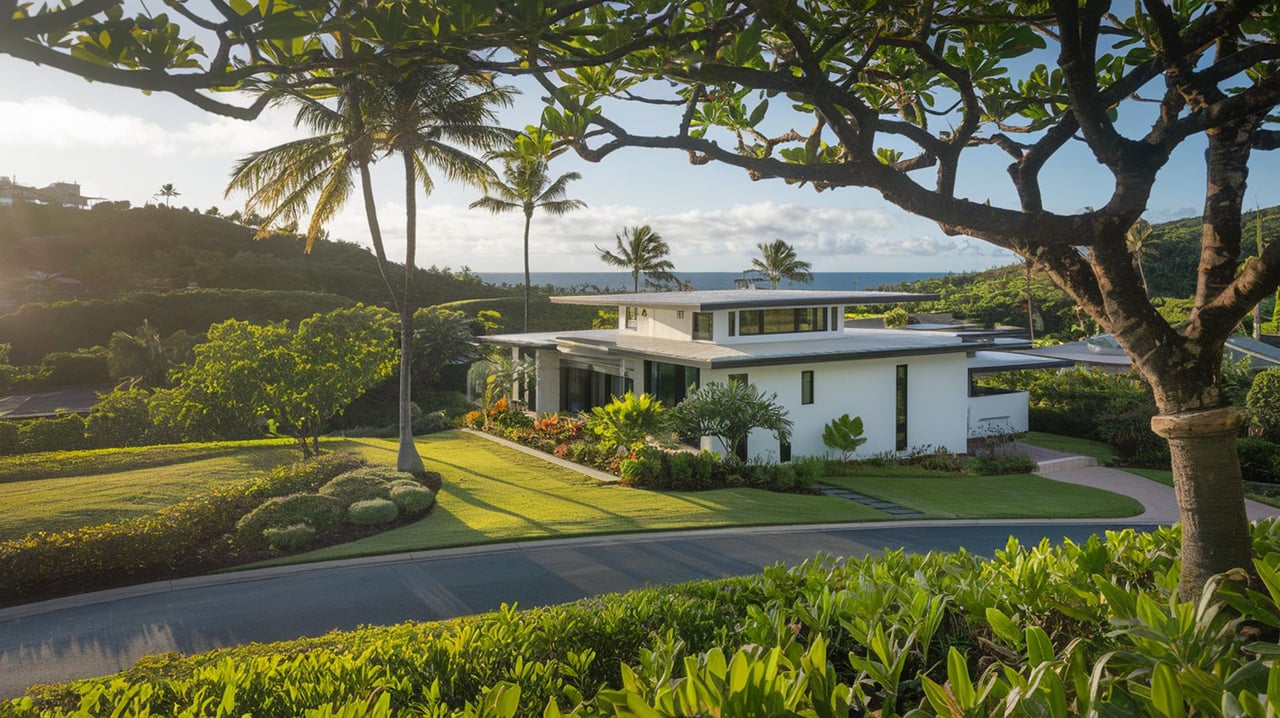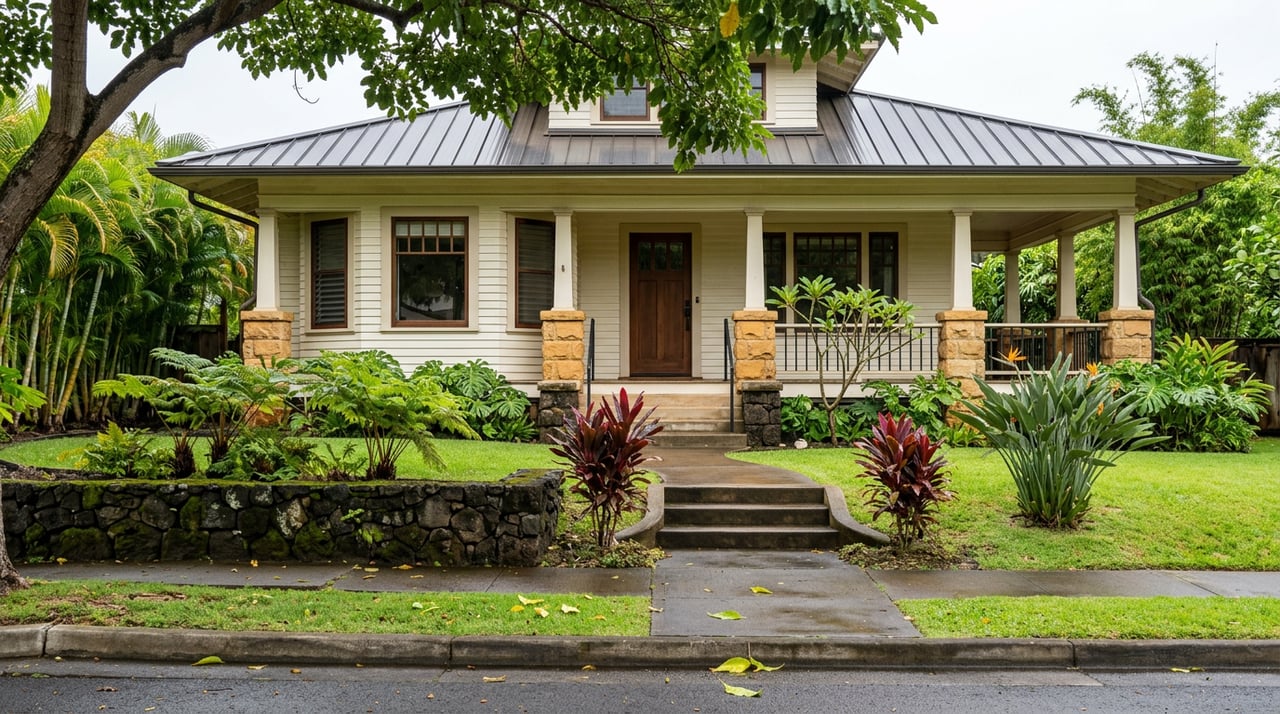
What if your next home could sit just minutes from downtown yet feel like a cool, leafy retreat? In Nuuanu, history, landscape, and architecture come together to create that experience. If you love kamaʻāina charm, deep lanais, and homes designed for island breezes, this valley rewards a closer look. In this guide, you’ll learn how Nuuanu’s past shaped its neighborhoods, what architectural styles to expect, and how to evaluate homes with confidence. Let’s dive in.
Why Nuuanu feels different
Nuuanu (Nuʻuanu) is one of Honolulu’s traditional upland ahupuaʻa. The valley’s historic ʻauwai, or stone-lined irrigation ditches, once fed loʻi kalo and supported a thriving agricultural landscape. That network and the valley’s cooler, wetter microclimate made Nuuanu a favored retreat near town. You can explore the area’s cultural and landscape story through local stewardship efforts that document the ʻauwai and their care needs (Hui Mālama ʻAuwai O Nuʻuanu).
Nuuanu’s royal connection is tangible. Queen Emma’s Summer Palace (Hānaiakamalama) sits in the valley as a preserved 19th-century residence and house museum. It offers a window into upland retreat life and the landscape choices that shaped early homes here (Daughters of Hawaiʻi).
As Honolulu grew in the early 20th century, Nuuanu shifted from intensive agriculture to residential subdivisions, including large-lot tracts and custom estates. Community groups still highlight remaining ʻauwai corridors and their upkeep as part of the valley’s living heritage (Hui Mālama ʻAuwai O Nuʻuanu).
Architectural eras in Nuuanu
19th century: Royal and mission-era homes
A handful of royal and mission-era sites reflect Nuuanu’s early residential story and its role as a royal upland retreat. Queen Emma’s Summer Palace provides direct context for how families engaged with the valley’s cooler climate and gardens (Daughters of Hawaiʻi).
1920s–1940s: Kamaʻāina estates and revival styles
During the territorial era, you’ll find kamaʻāina estates and island-adapted cottages. Plantation-style bungalows, Spanish Mission Revival, and Colonial/Revival influences appear, often with generous lanais and lush landscape treatments. Historic inventories describe these homes as tailored for climate and lifestyle, not just looks (Historic Hawai‘i Foundation).
This period also overlaps with architect C. W. Dickey’s influence. Dickey helped define a regional approach to climate with his double-pitched “Dickey roof” and broad overhangs that shade walls and shed rain, a profile still associated with kamaʻāina houses across Oʻahu (C. W. Dickey overview).
1950s–1970s: Ranch and Hawaiian Modern
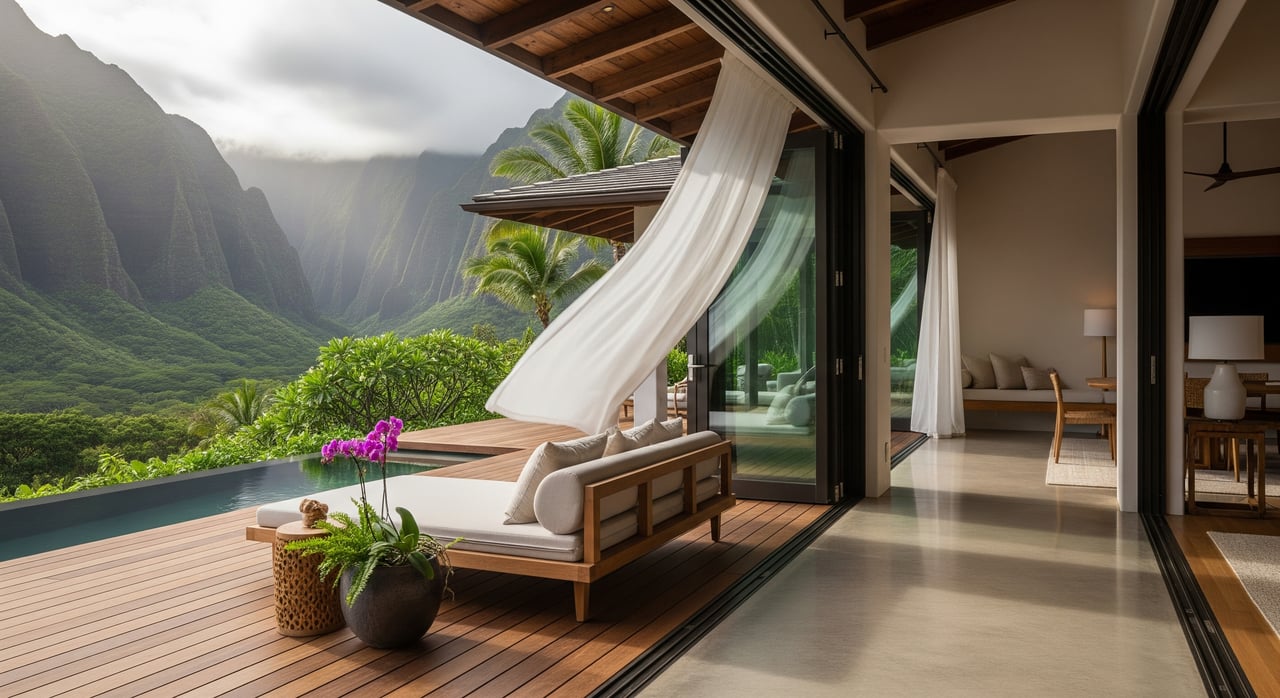
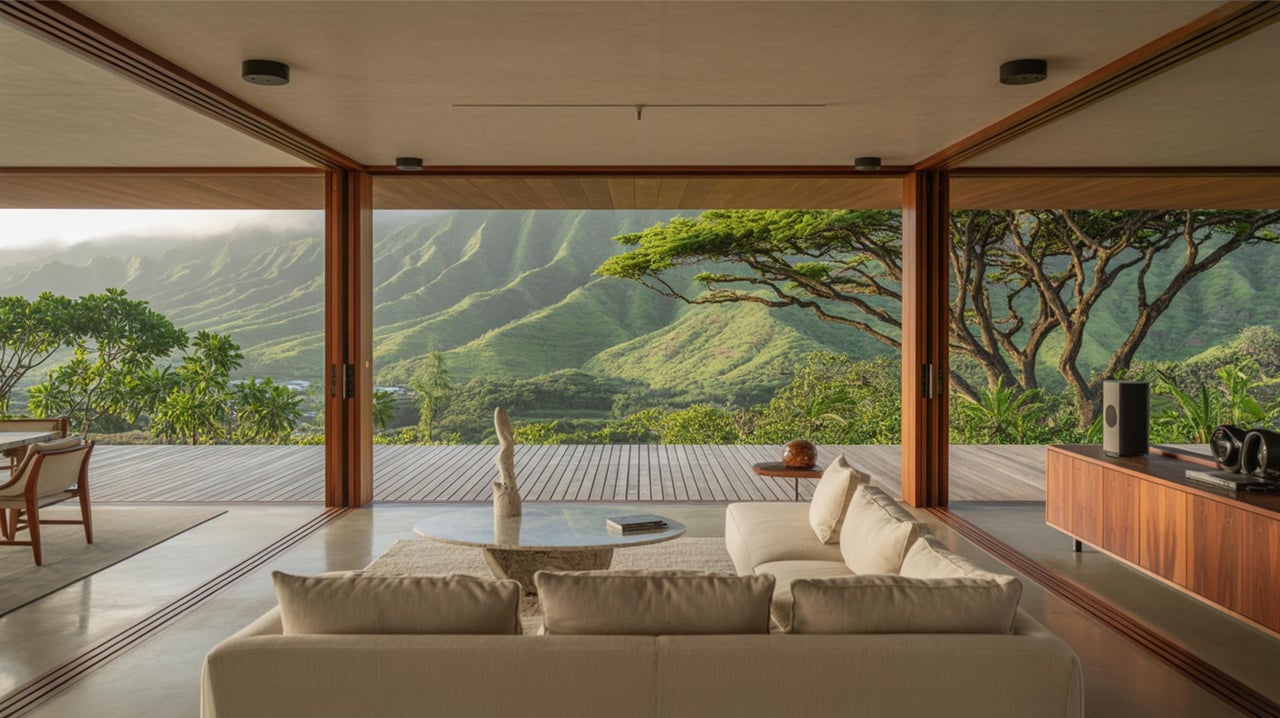
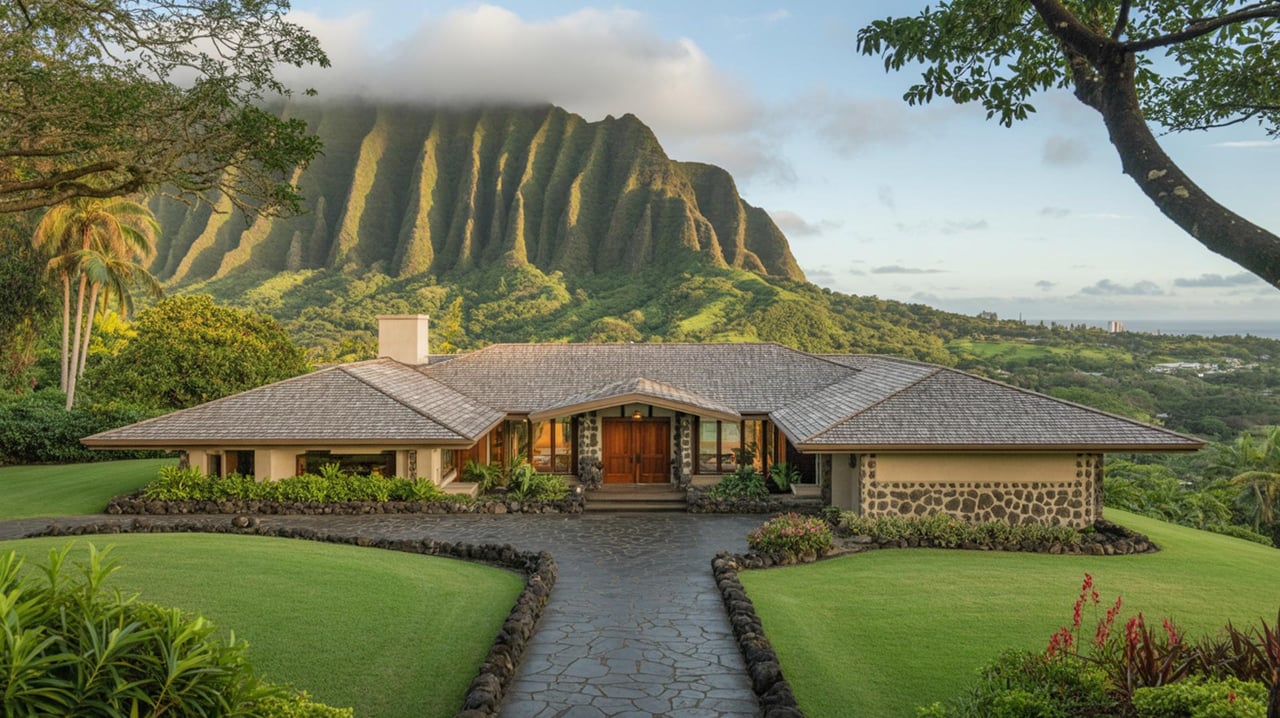
Postwar development introduced single-level ranches and mid-century homes that lean into indoor–outdoor living. The Hawaiian Modern ethos is best known through Vladimir Ossipoff’s work, where the lanai functions as an essential living room, cross-ventilation replaces heavy mechanical cooling, and houses respond to microclimate and topography (Hawaiian Modern context).
Signature features you’ll notice
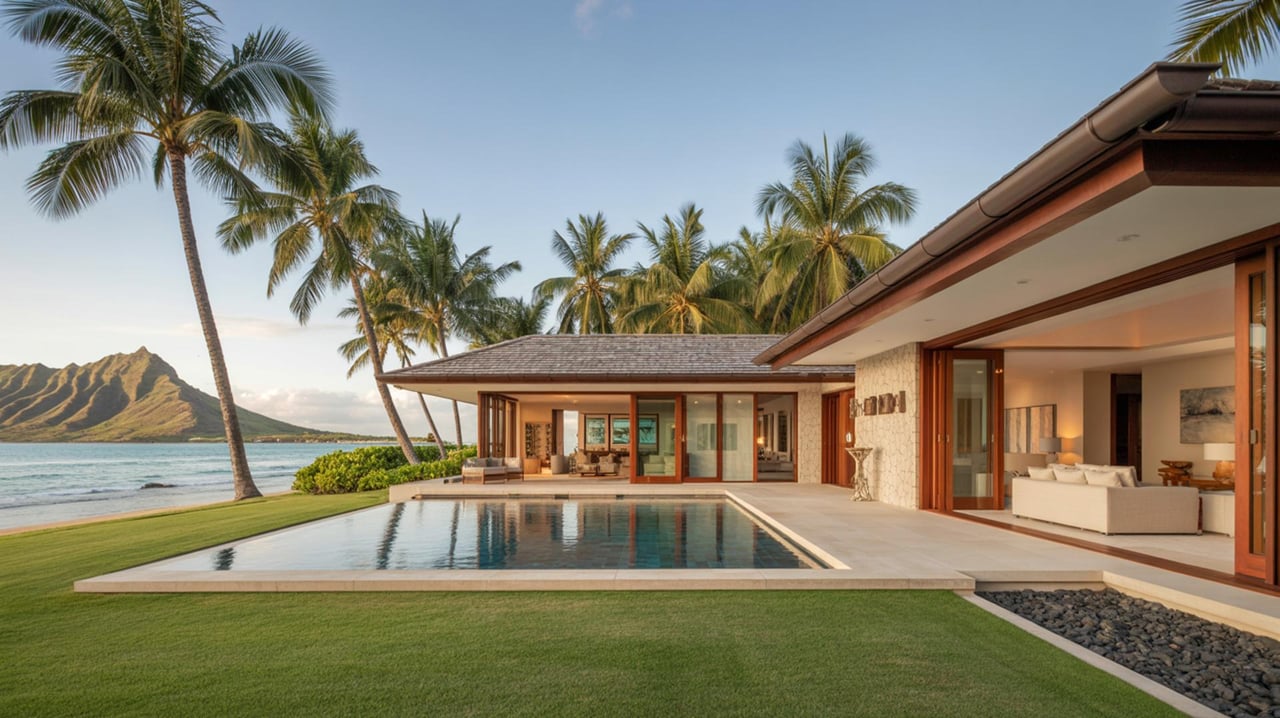
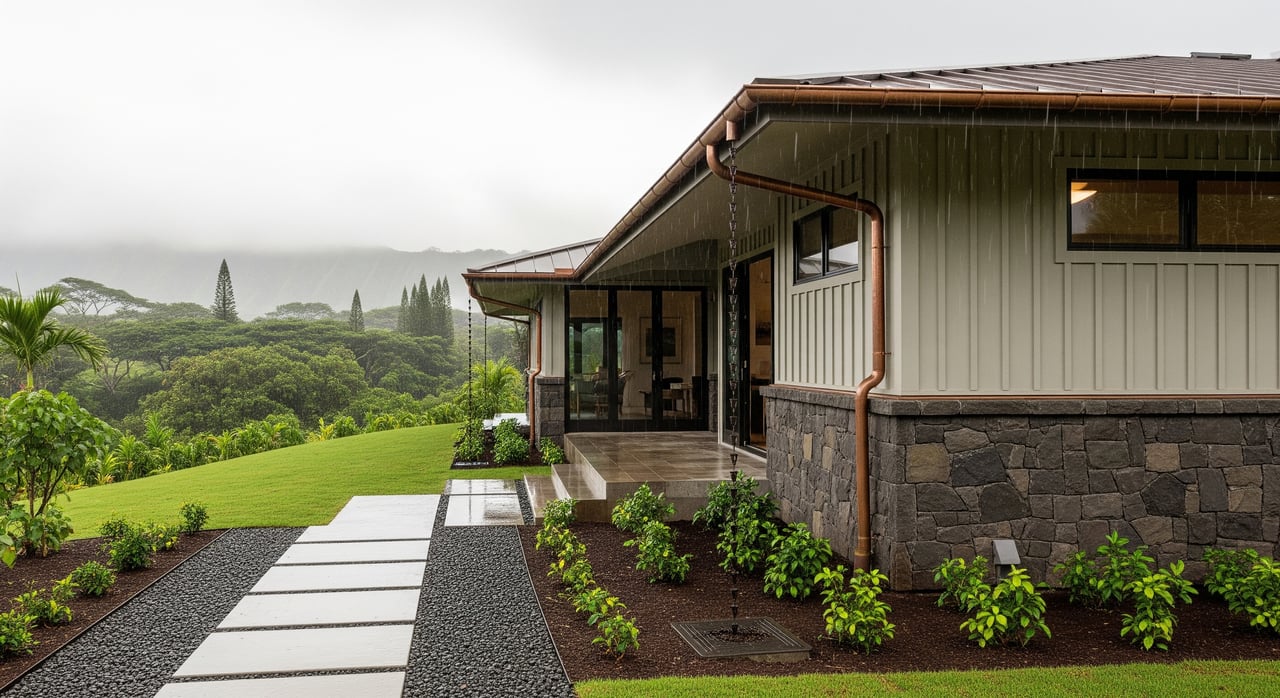
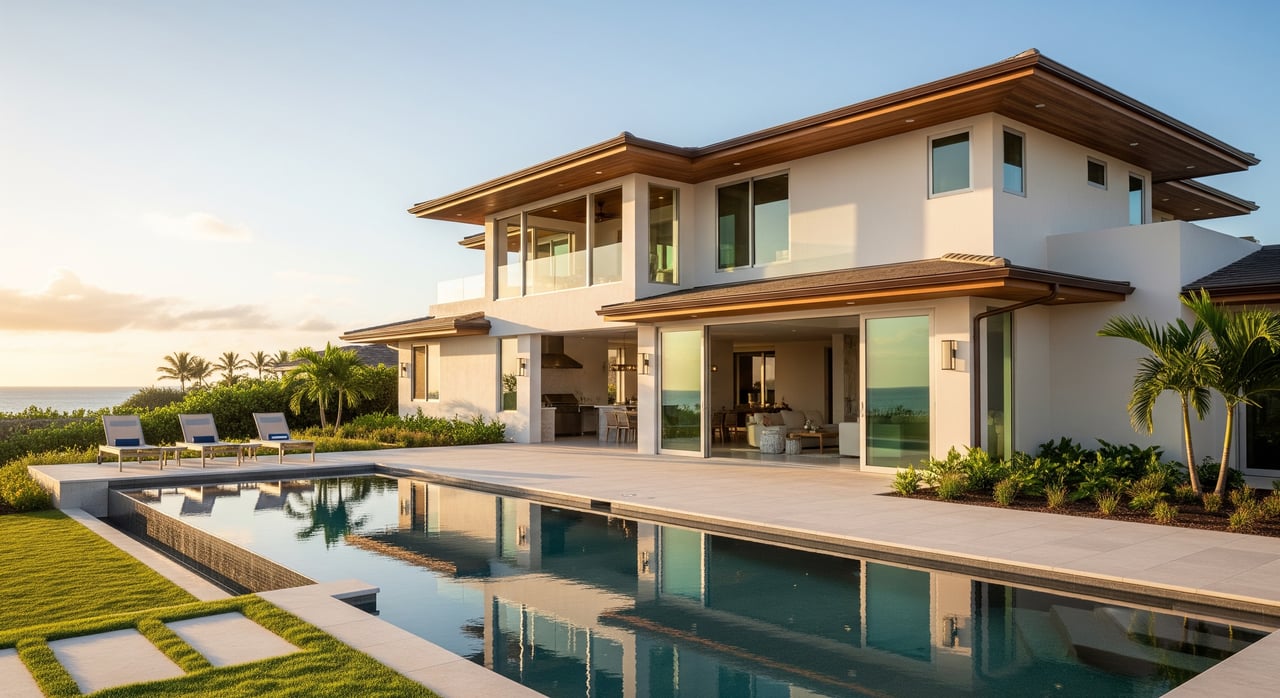
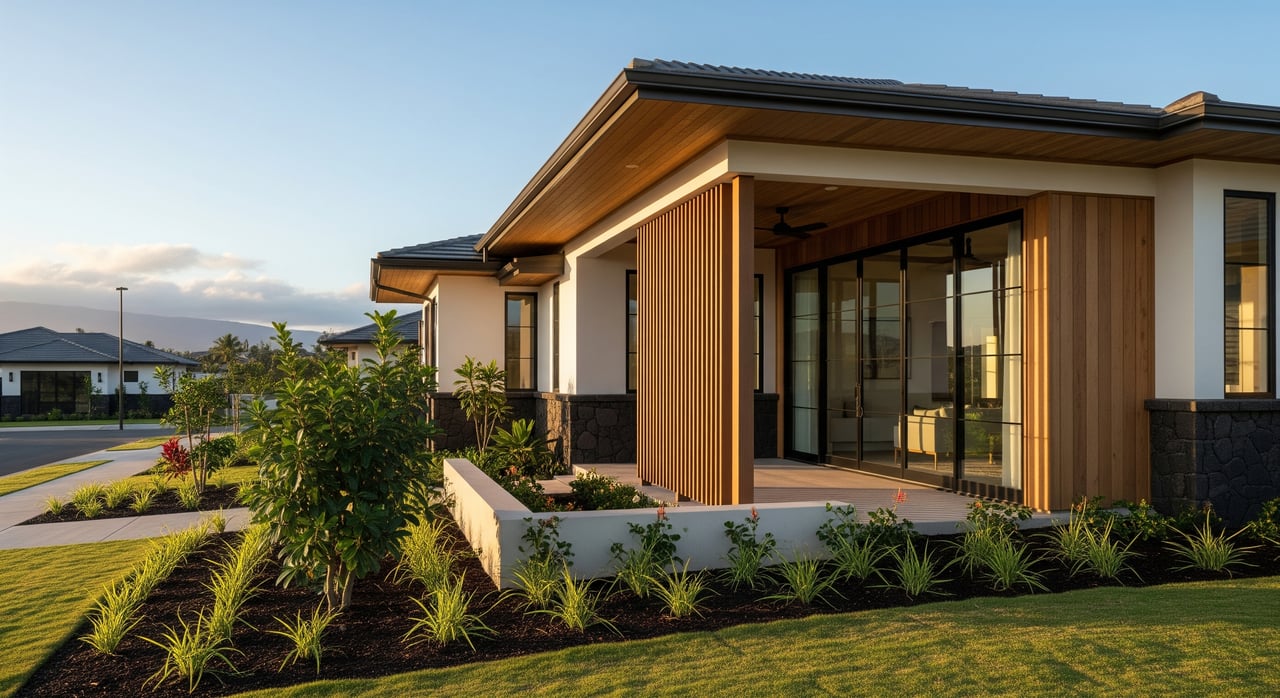
- Rooflines and eaves. Look for low or double-pitched hip roofs with deep overhangs that cool interiors and manage rainfall. The distinctive Dickey roof is a regional hallmark you may spot throughout the valley (C. W. Dickey’s regional form).
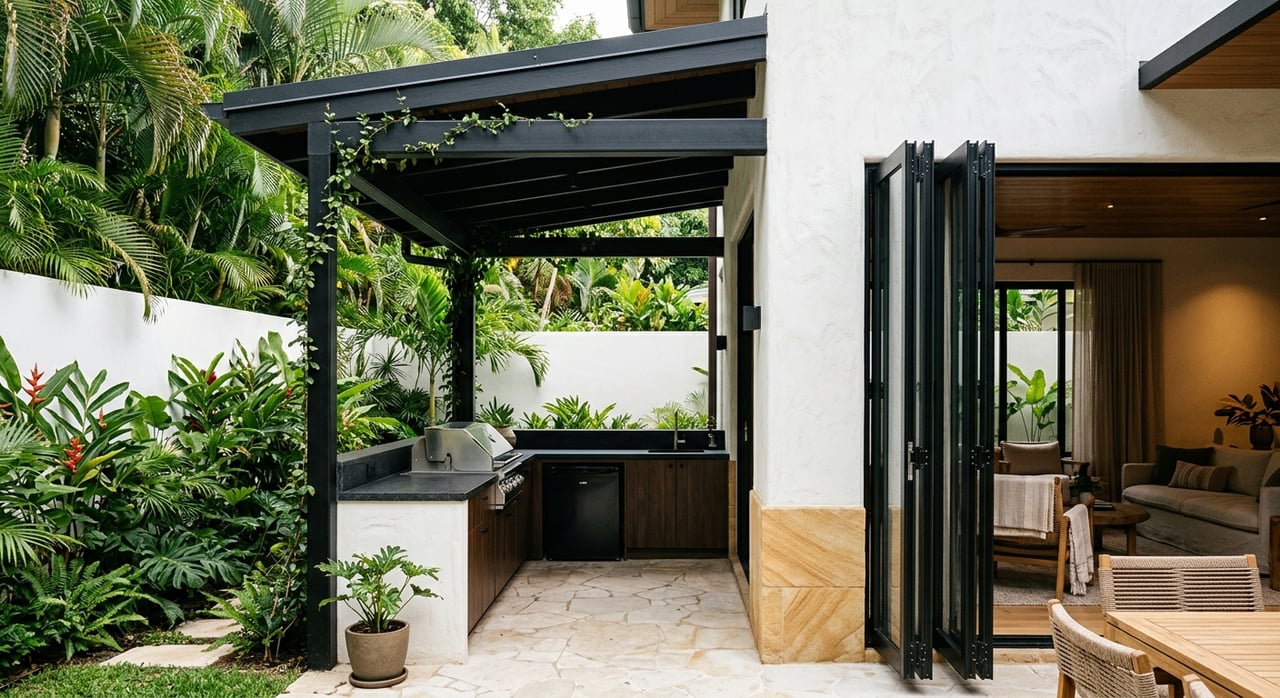
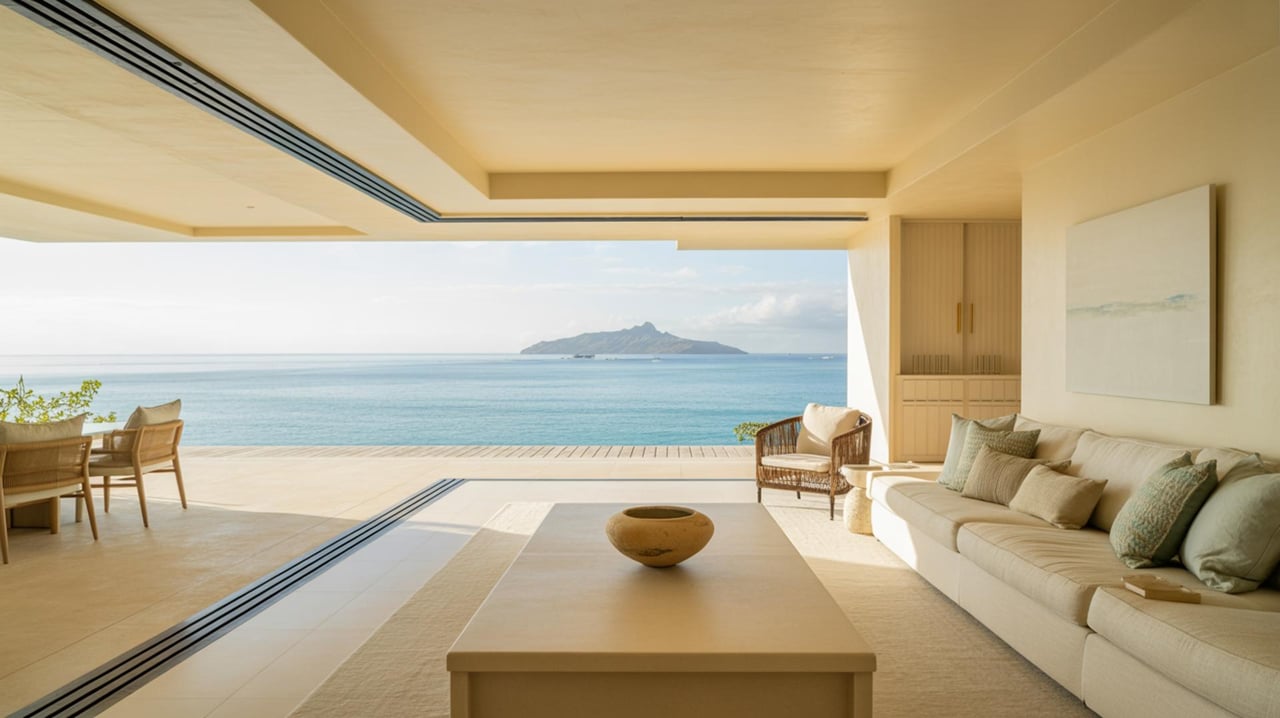
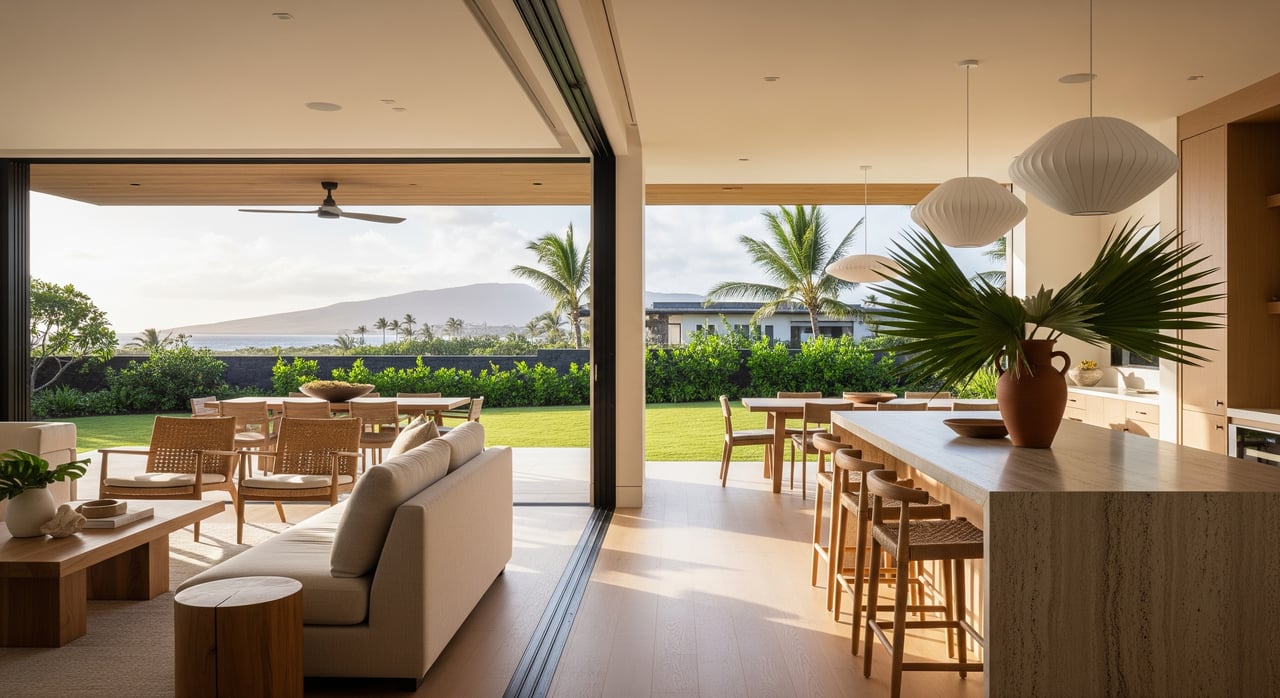
- Lanais and indoor–outdoor flow. Covered lanais often run the width of the house. Sliding or pocketing walls open living rooms to gardens, a defining trait of Hawaiian Modern design (lanai as primary living space).
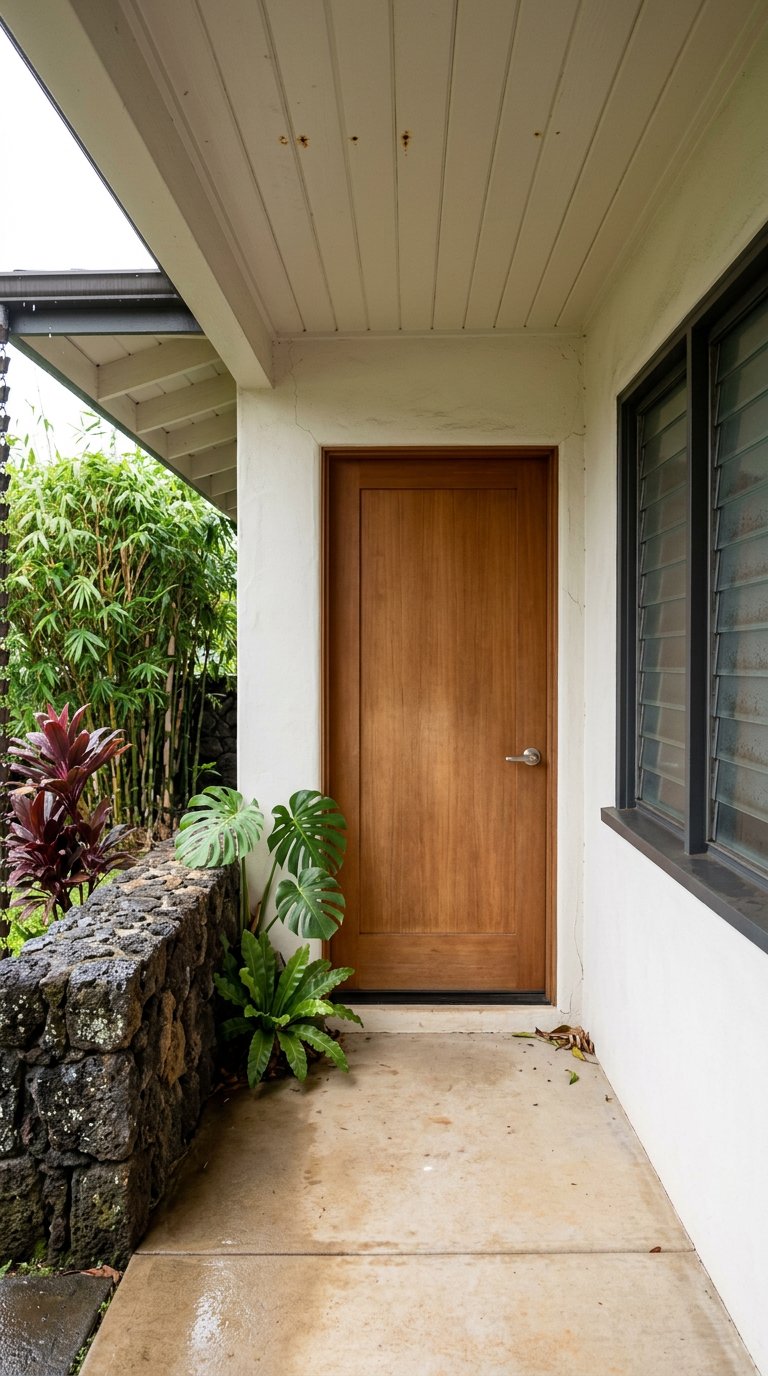
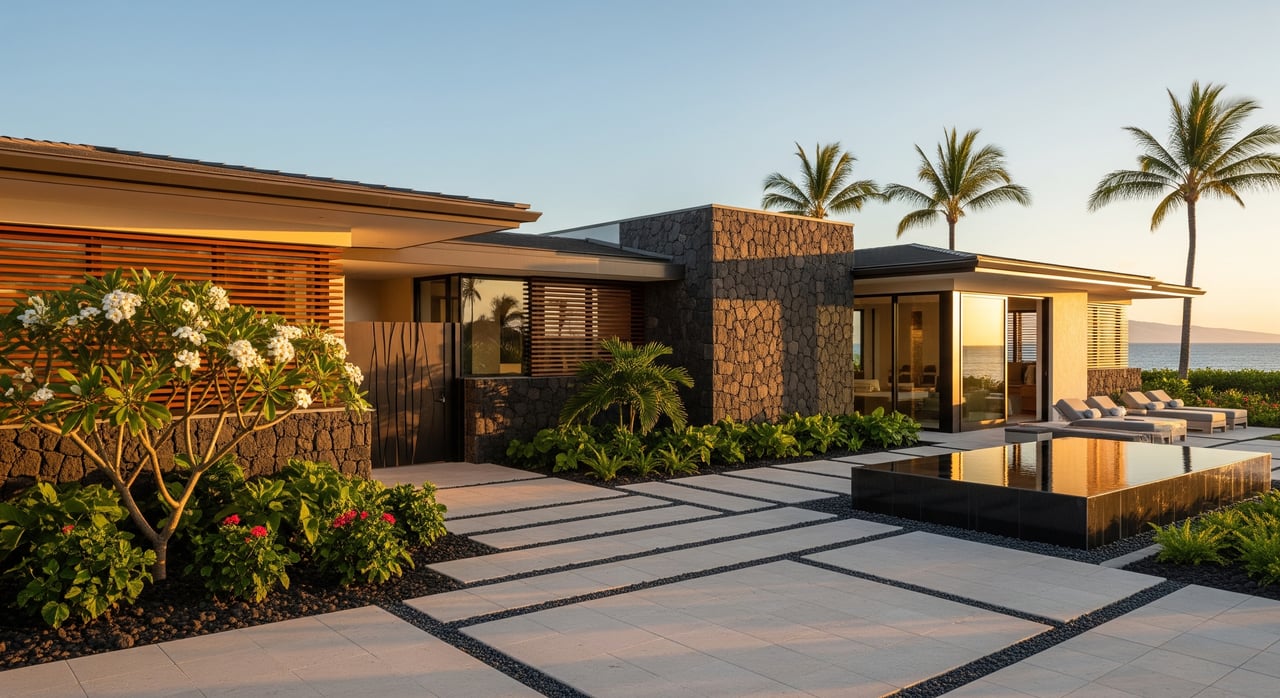
- Windows and materials. Louvered or casement windows, clerestories, and operable panes are common, paired with plaster or stucco, timber, concrete block screens, terrazzo or polished concrete floors, and local stone in retaining walls. Historic homes may show board-and-batten detailing and careful millwork (C. W. Dickey House details).
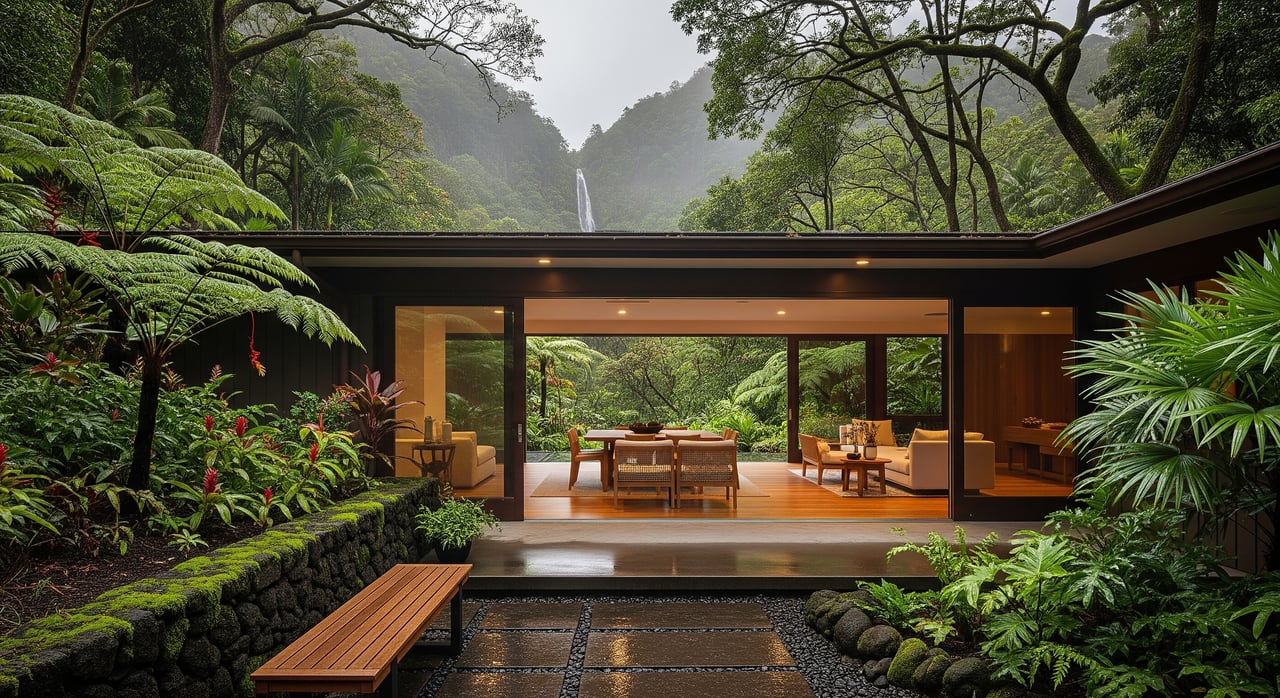
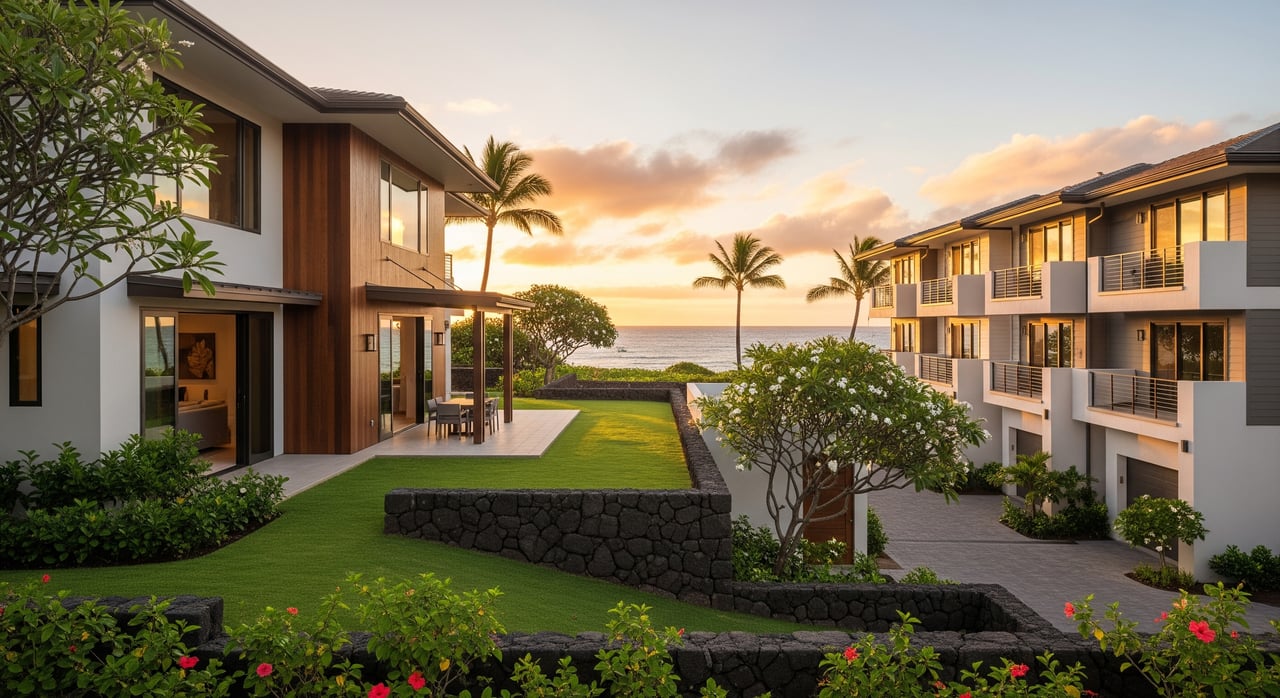
- Landscape integration. Many properties are sited to highlight streams, ʻauwai, and mature gardens. Lava rock terraces, layered plantings, and hedges create privacy and a “garden estate” feel. Stewardship groups document and sometimes assist with ʻauwai maintenance, underscoring the landscape’s ongoing importance (ʻauwai stewardship).
Lots, topography, and lifestyle
Nuuanu blends gently sloping valley-floor parcels with steeper ridgeline sites. Early subdivisions often preserved ʻauwai corridors, and many homes sit behind hedges or on terraced pads with stone retaining walls and longer driveways. The result feels established and green, with outdoor rooms shaded by mature trees and deep eaves (valley context and subdivisions).
The lifestyle match here is clear if you value shade, privacy, and breezes. Covered lanais are active living spaces, gardens become part of the daily flow, and evening temperatures can feel cooler than coastal neighborhoods at similar distances from town. That blend of convenience and retreat is a big part of Nuuanu’s ongoing appeal.
Ownership realities to factor in
ʻAuwai stewardship and permits
ʻAuwai are both culturally significant and practical drainage features. If an ʻauwai runs through or along your lot, you may have maintenance responsibilities and permit considerations for any work near it. Local stewardship efforts offer history and context that help you approach due diligence thoughtfully (Hui Mālama ʻAuwai O Nuʻuanu).
Rainfall, slopes, and site assessments
Nuuanu’s upland setting brings higher rainfall than many coastal areas. Historical records note debris-flow events tied to extreme rain at local reservoir gauges. If you are evaluating a hillside property or a home below steep slopes, a site-specific look at drainage and stability is wise. Technical literature outlines rainfall thresholds linked to debris flows in the area (rainfall and debris-flow context).
Termites and moisture management
Year-round termite pressure on Oʻahu, including Formosan subterranean termites, makes regular inspection and prevention essential. The University of Hawaiʻi’s Termite Project provides clear guidance on inspection intervals, treatment options, and building strategies that limit risk (UH CTAHR Termite Project).
Preservation and project planning
Older homes may have historic value or formal designations that influence exterior changes and permitting. Preservation advocates note that sensitive repairs often call for specialists familiar with island materials and climate. Renovation choices also reflect broader pressures on historic and mid-century homes in Honolulu (preservation context). If you are considering work on a designated property, check with the State Historic Preservation Division and the City’s permitting office before you draft plans.
How to read a Nuuanu home on tour
Use architecture to guide your walk-through. These cues help you see beyond finishes and into how the home lives day to day.
- Roof profile. Do the eaves shade windows and walls? A double-pitched or low-hip roof with wide overhangs often signals better heat and rain control.
- Lanai function. Is the lanai truly a room? Look for generous coverage, lighting, and flooring that flows from the main living areas.
- Airflow and light. Check for louvered or operable windows facing the trades, clerestories that draw hot air up, and cross-ventilation through main spaces.
- Garden integration. Note privacy hedges, stone terrace walls, and sightlines from living rooms to shaded outdoor areas.
- Materials and detailing. Older homes may include board-and-batten, plaster or stucco, breeze-block screens, and original millwork that speaks to the era.
- Water and drainage. On sloping lots, look for well-defined drainage paths, clean gutters, and sound retaining walls.
- Cultural features. If there is an ʻauwai or stream, ask about maintenance, boundaries, and any recent permits.
Buyer checklist for historic and mid-century homes
- Confirm wood-destroying organism inspection and timeline for rechecks.
- Ask about roof age and material, especially on complex hip or double-pitched forms.
- Review drainage improvements and retaining wall records on sloped sites.
- Identify window types and condition, including louvers and clerestories.
- Note any historic designations and ask how they may affect exterior changes.
- Request service records for moisture control, termite treatment, and paint cycles.
- Evaluate the lanai’s structure, coverage, and daily usability.
- If an ʻauwai is present, clarify maintenance responsibilities and any access agreements.
If you love the history, start here
To connect Nuuanu’s homes with their landscape and culture, visit Queen Emma’s Summer Palace for a grounded look at 19th-century upland living (Hānaiakamalama house museum). Then explore local documentation and stewardship updates on the ʻauwai, which frame how water and gardens shaped the valley’s neighborhoods (ʻauwai history and stewardship). For island-wide architectural context, learn how Dickey’s climate-first forms and Hawaiian Modern principles inform much of what you see in Nuuanu today (Dickey’s regional approach; Hawaiian Modern lanai principles).
Ready to explore Nuuanu’s homes?
If you are drawn to cool evenings, shaded outdoor rooms, and architecture that breathes with the valley, Nuuanu could be the right fit. You will benefit from local guidance on stewardship, permitting, and construction details that are specific to older island homes. When you are ready, connect with Amber Parry to tour options, compare eras and features, and plan a confident purchase.
FAQs
Are Nuuanu homes cooler than the shoreline?
- The valley often feels cooler and wetter than many coastal neighborhoods, which is part of its historic appeal. Expect comfortable evenings, but confirm microclimate at the specific property.
What historic styles are most common in Nuuanu?
- You will see territorial-era kamaʻāina estates and revival cottages from the 1920s–1940s, plus ranch and Hawaiian Modern homes from the 1950s–1970s with strong indoor–outdoor flow.
Do historic designations limit renovations in Nuuanu?
- Some properties have local or national listings that can trigger review for exterior changes. Always check with the State Historic Preservation Division and the City’s permitting office for your project.
What inspections should I prioritize for an older valley home?
- Plan for a termite and wood-destroying organism inspection, a full home inspection, and for hillside or older structures consider a geotechnical review and a contractor experienced with island materials.
How do ʻauwai affect ownership and maintenance?
- ʻAuwai are part of Nuuanu’s cultural landscape and can improve drainage and garden design. If one crosses your lot, clarify maintenance duties, permit needs, and any access agreements before closing.