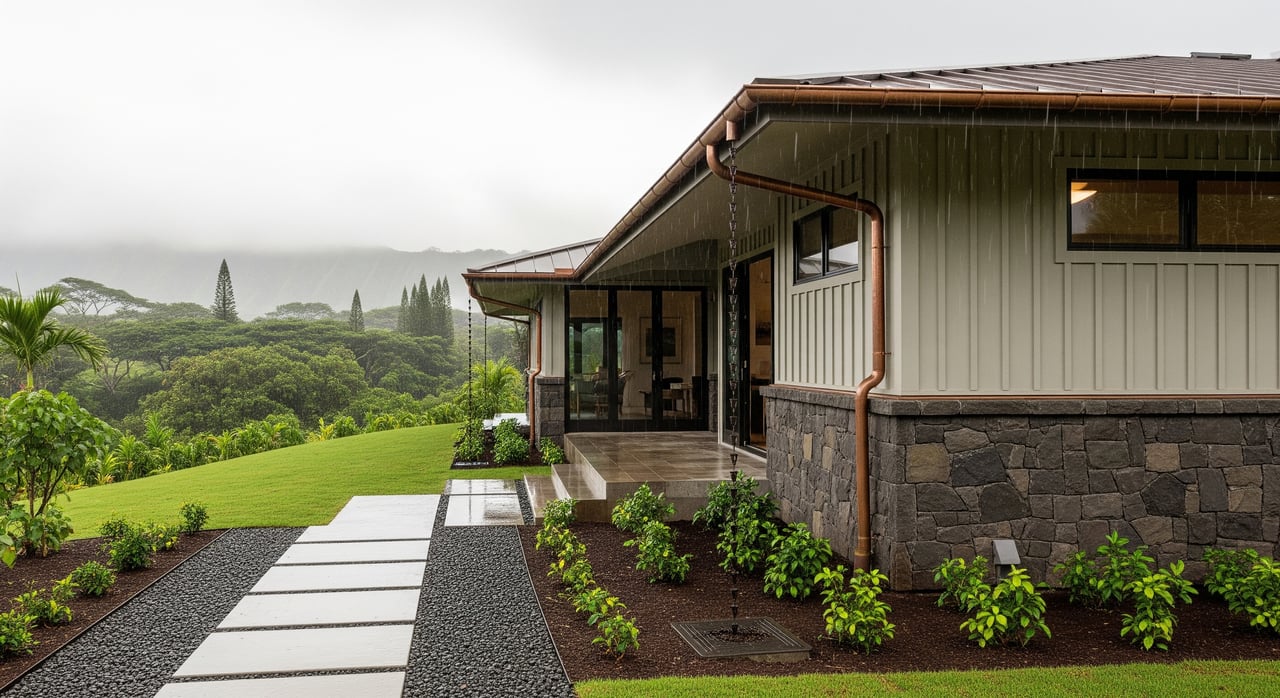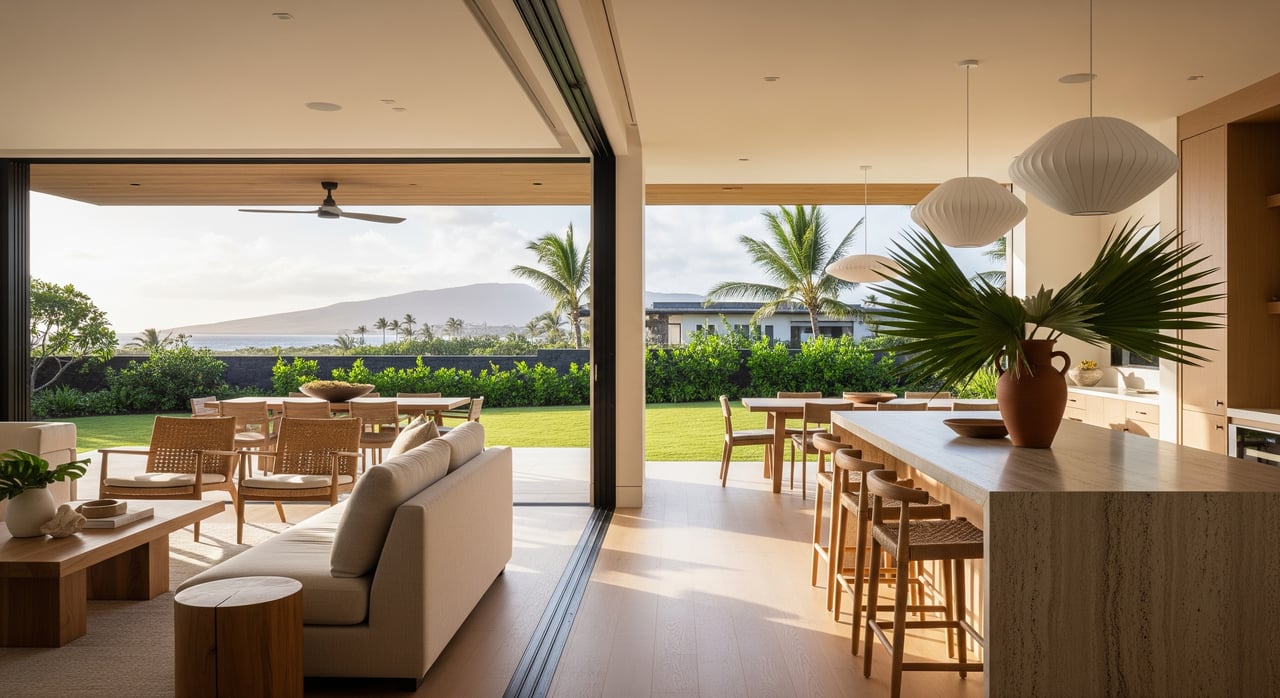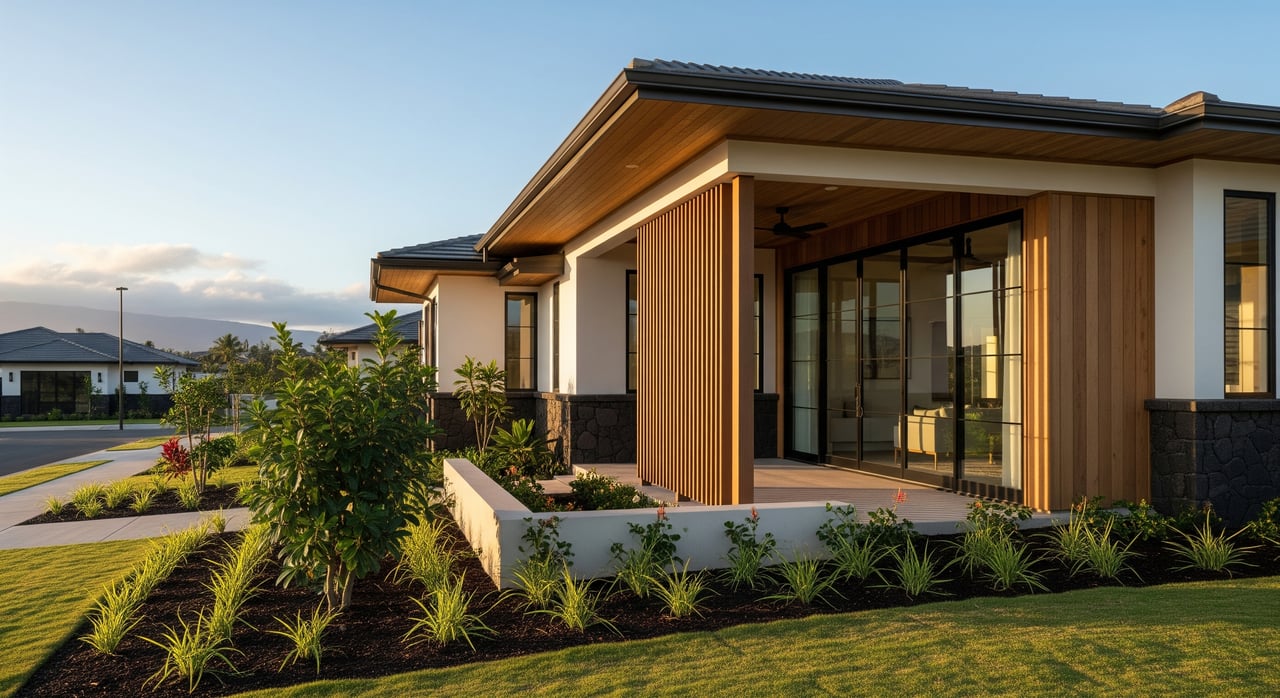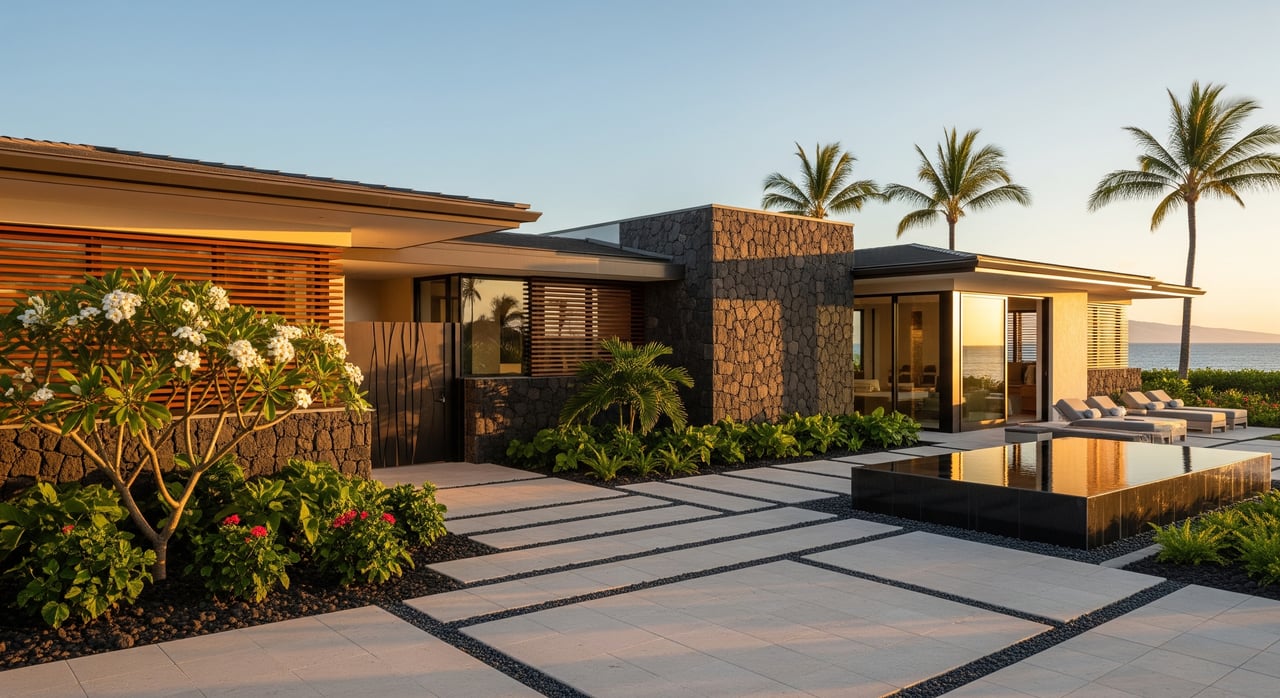
What if the breeze could trim your energy bills, keep your home cooler, and even clue you in to hidden moisture issues? In Nuuanu, it often does. If you love the valley’s lush feel and quick access to town, you also know comfort can swing with the winds and rain. In this guide, you’ll learn how Nuuanu’s trade winds shape daily living, what to look for on a tour, and which upgrades make the biggest difference. Let’s dive in.
Nuuanu trade winds and valley climate
Nuuanu sits in a valley that channels Hawaiʻi’s prevailing northeast trade winds. Trades are strongest and most consistent from late spring through early fall, then lighten and vary more in winter. You can also see occasional Kona winds from the southwest in the cooler months. For context on local wind patterns, review the NWS Honolulu resources.
The Koʻolau Range lifts moist air, which increases cloudiness and brief showers on the windward side. That means Nuuanu often runs a bit cooler than urban Honolulu, with higher humidity and more frequent shading. The result is a microclimate where breezes can feel refreshing, yet moisture control matters.
What this means for daily comfort
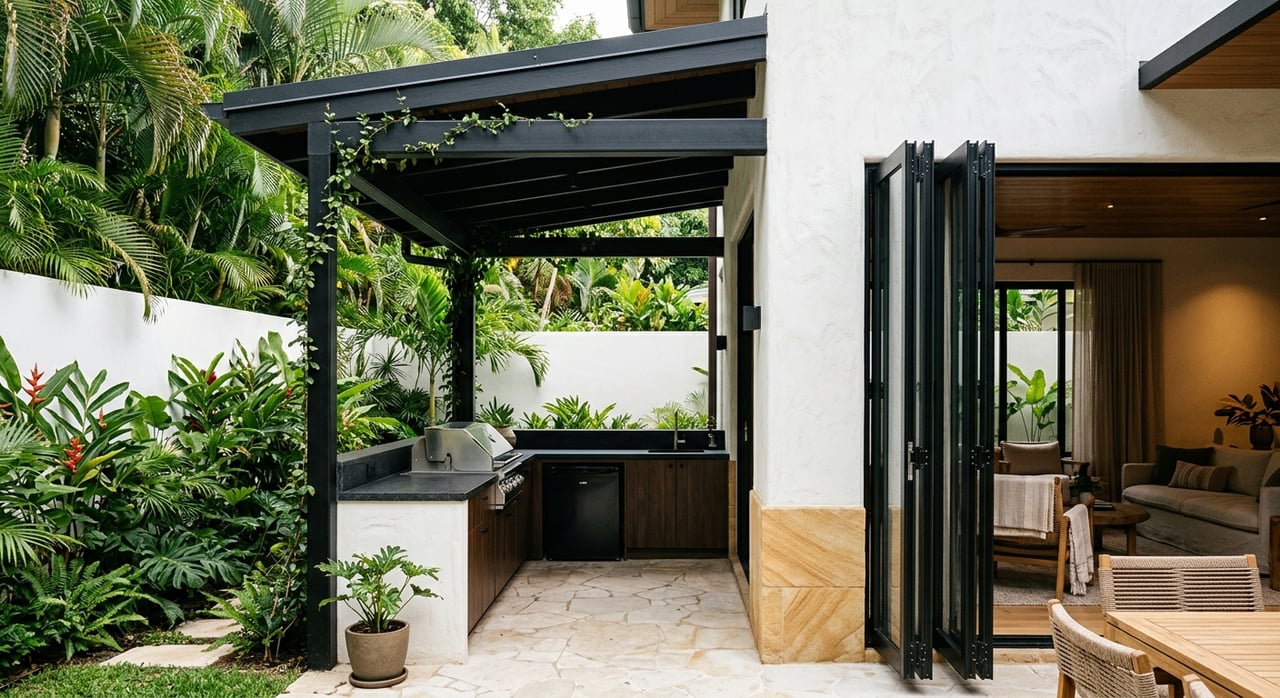
When trades reach your home, cross-ventilation can carry heat out and comfort in. Openings on opposite or adjacent walls, screened lanais, and high-low vents help the breeze flow through. In calm pockets, or where vegetation and neighboring structures block wind, indoor air can feel still and warm.
Humidity is the other piece. Elevated moisture increases perceived temperature and extends drying times for clothes and materials. Watch for chronic moisture clues like musty odors, peeling paint, or visible mold. For health and maintenance guidance, see the EPA’s mold and moisture information.
How to evaluate a Nuuanu home’s airflow
Feel the breeze in key spots
- Stand on lanais and in main rooms to note where air moves and where it stalls.
- Check both windward and leeward sides. Ask neighbors about breezy versus calm days.
- Return at different times if possible to see afternoon shade and evening patterns.
Check cross-ventilation and windows
- Look for operable windows on at least two sides of major rooms and bedrooms.
- Confirm windows open smoothly. Transoms or clerestory windows add stack effect.
- Inspect screens. Good screens let trades in while keeping insects out.
Lanais, doors, and thresholds
- Lanais facing the northeast often catch trades. Ensure shading and screens support daily use.
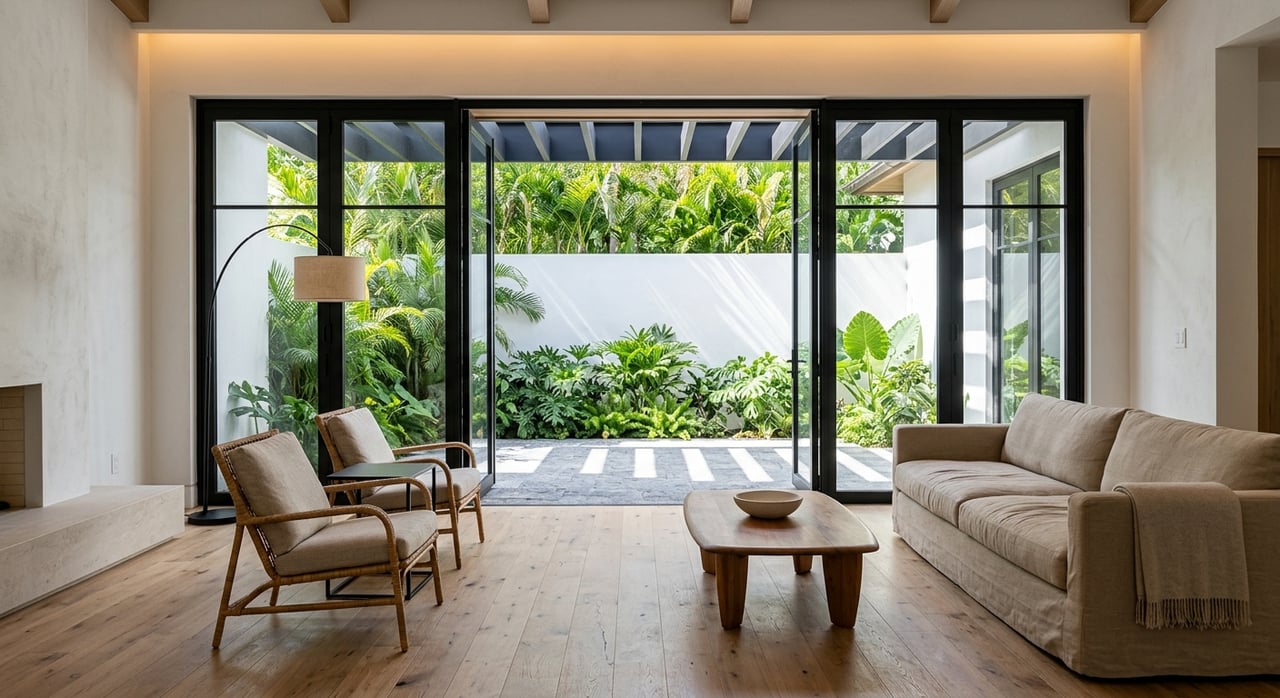
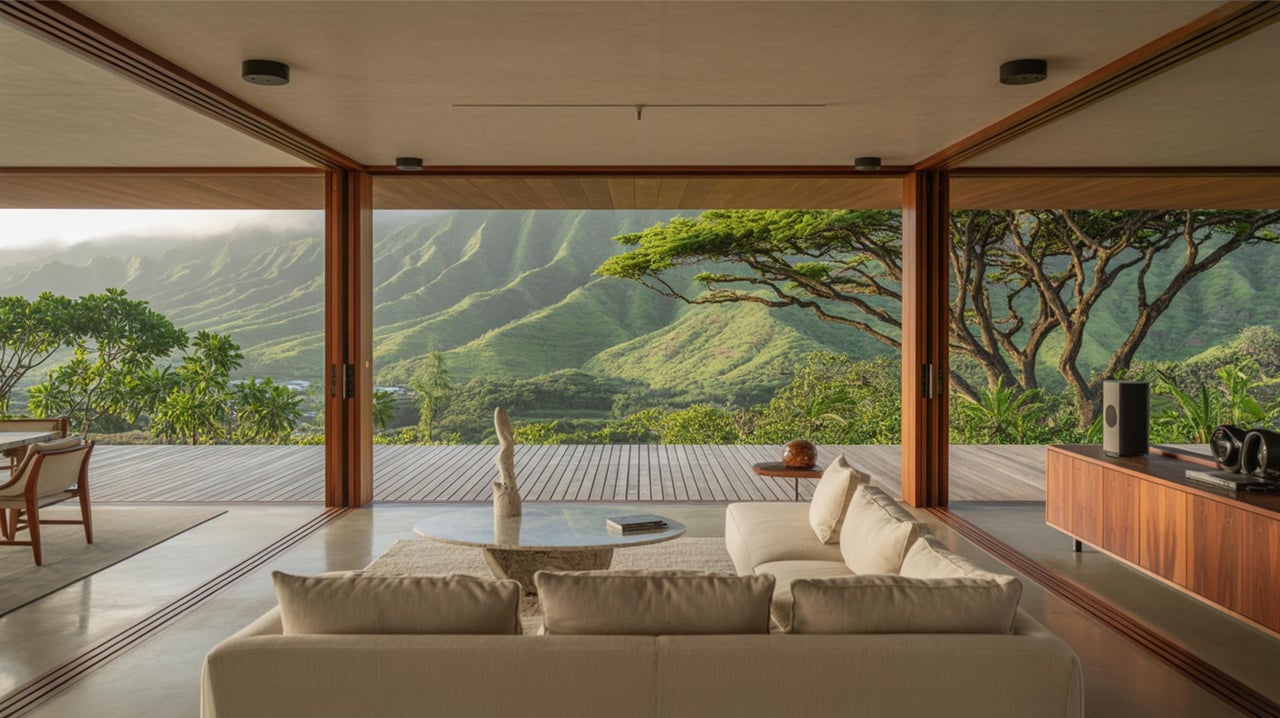
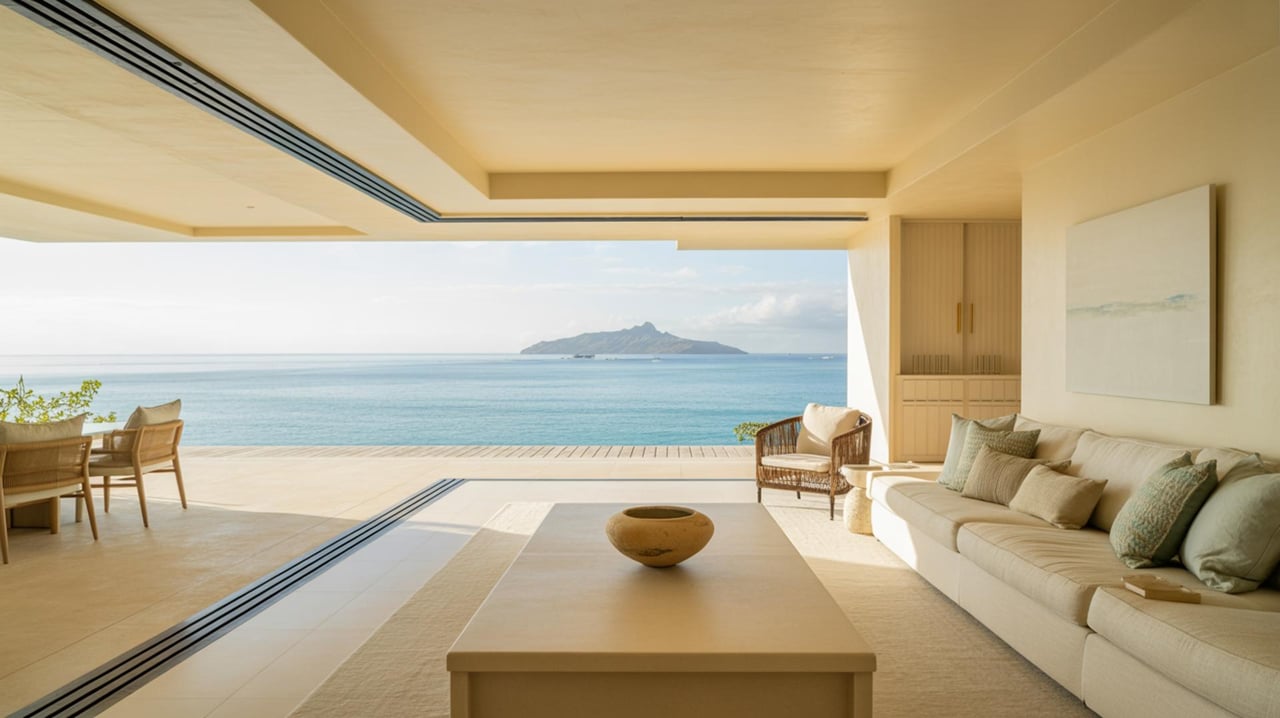
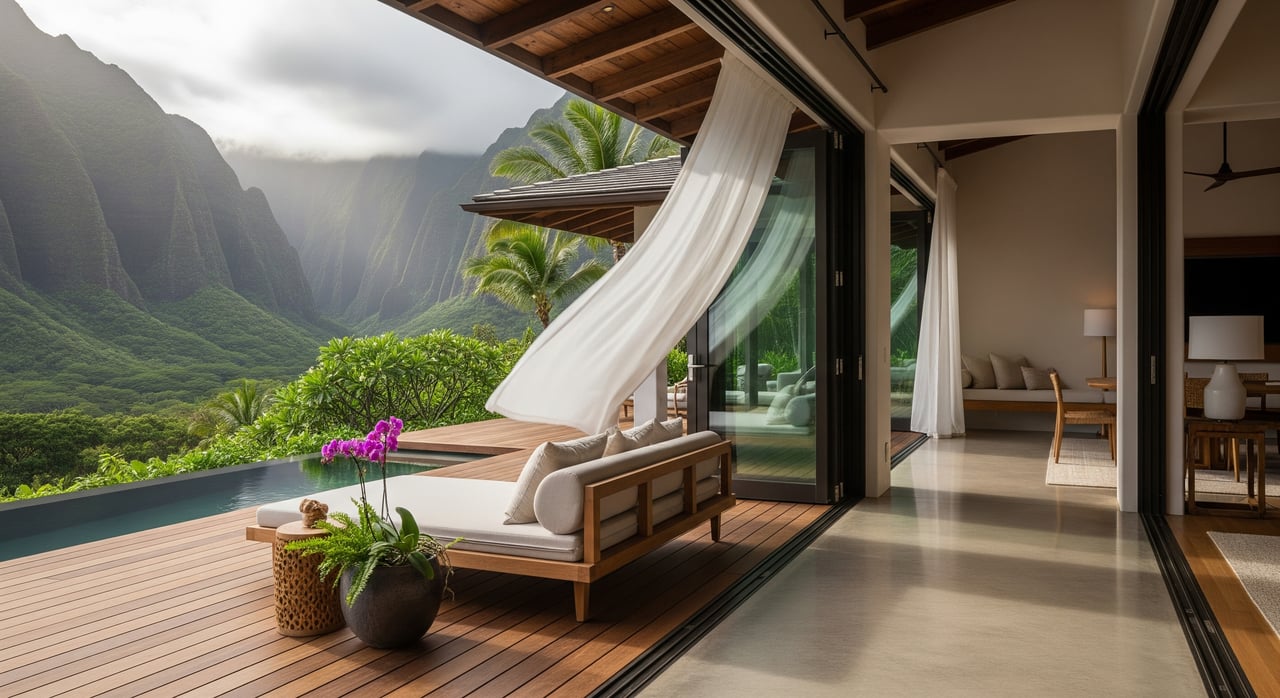
- Wide sliding or bi-parting openings that align across the home encourage airflow.
- Check door seals and tracks for air leaks and security.
Moisture clues, inside and out
- Inside: musty smells, wall or ceiling stains, peeling paint, or swollen wood.
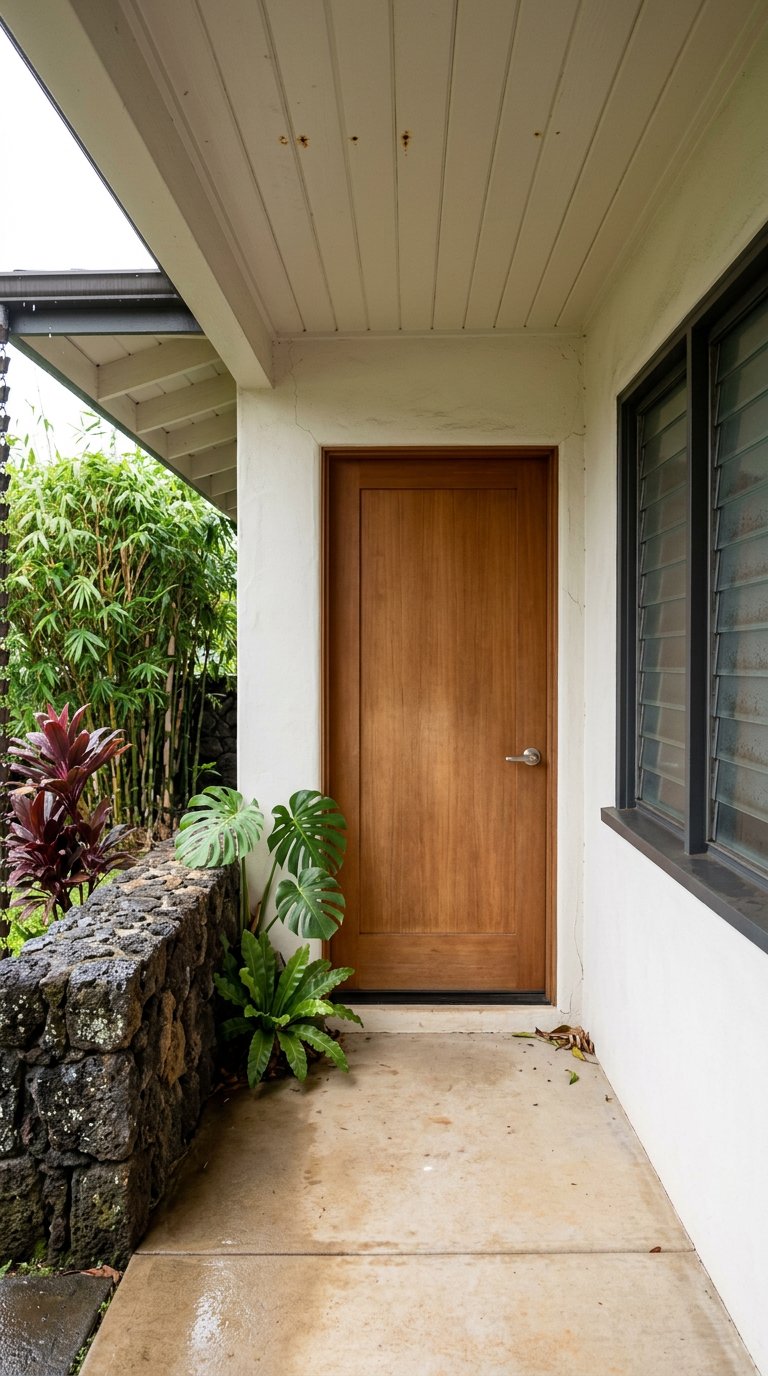
- Outside: algae streaks on shaded walls, clogged gutters, fascia staining, or rusted hardware.
- Underfloor or lower spaces: signs of standing water or poor venting.
Systems and additions
- Note the presence and condition of AC. Ask the age and service history.
- Verify bathroom and kitchen exhaust fans vent outdoors, not into the attic.
- Look for dehumidifiers in problem zones and attic fans or ridge vents in the roof.
Landscaping and drainage
- Trees and hedges provide shade but can block breezes if too dense.
- Aim for open windward approaches and denser plantings on leeward or noisy sides.
- Confirm grading and gutters send water away from the foundation.
Durability and wind events
- Screens, shutters, and roof-mounted equipment should be sturdy for gusty conditions.
- Older jalousie windows move air well but can be less storm- and security-resistant.
Smart questions to ask the seller
- Which directions bring the best breezes, and when are winds lighter?
- Any recurring moisture issues in rooms, crawlspaces, or the attic?
- When was the AC last serviced, and what is the system’s efficiency rating?
Quick pros and cons of common features
NE-facing lanais
- Pros: Capture trades and extend living space. Cons: More exposure to wind-driven showers.
Jalousie windows
- Pros: Excellent airflow. Cons: Lower thermal, security, and storm performance compared to newer operable windows.
Deep eaves and exterior shading
- Pros: Reduce direct sun on walls and windows, lowering heat gain. Cons: Can dim interiors if overdone.
West and south façades
- Pros: Warm afternoon light. Cons: Higher late-day heat load without shading.
Attic venting and insulation
- Pros: Less heat transfer into living spaces, especially on sunny days. Cons: Upgrades may require professional assessment.
Improvements that work in Nuuanu
Quick wins you can do first
- Optimize cross-ventilation by opening windward and leeward sides and adding operable transoms where feasible.
- Use ceiling fans to boost comfort at higher thermostat settings. The U.S. Department of Energy explains how fans help you feel cooler at higher setpoints in its Energy Saver guidance.
- Add or adjust shading with overhangs, awnings, pergolas, or retractable shades on east and west windows.
- Repair and upgrade screens so you can welcome trades without pests.
- Use efficient dehumidifiers in problem zones. See general cooling strategies in the DOE’s Energy Saver resources.
Strategic upgrades with lasting impact
- Replace leaky single-pane units with operable, well-sealed windows that balance airflow and performance.
- Improve attic insulation and seal ductwork to cut heat gain and reduce AC runtime.
- Consider ductless mini-splits for targeted cooling where winds are inconsistent.
- Install humidity-sensing bathroom fans that vent outdoors to control moisture.
Site and landscape strategies
- Keep windward approaches open for airflow. Plant shade trees to block late-afternoon sun without closing wind corridors.
- Maintain gutters and downspouts. Add drainage where water lingers near foundations.
Storm readiness
- Use impact-rated glazing or shutters where exposure is highest.
- Secure rooftop equipment and confirm proper anchoring for solar or satellite hardware.
Incentives, permits, and local resources
- Explore current energy-efficiency rebates through Hawaiʻi Energy.
- Review permit requirements for window or lanai changes with the City’s Department of Planning and Permitting.
- For climate background and local meteorology, browse the University of Hawaiʻi resources and the NWS Honolulu office.
A simple buyer checklist
- Breeze test in key rooms and lanais.
- Cross-ventilation confirmed on two sides of main rooms.
- Window operability and screen condition checked.
- Afternoon shade observed on west and south walls.
- Moisture signs inspected inside, outside, and underfloor.
- AC type, age, and service record noted.
- Exhaust fans verified to vent outdoors.
- Landscaping pruned or planned for airflow and shade.
- Gutters, downspouts, and drainage evaluated.
Live cooler, spend smarter in Nuuanu
When you harness the valley’s trades and manage moisture, Nuuanu living feels cooler, healthier, and more efficient. A little attention to airflow, shading, and maintenance can reduce AC use and protect your home’s value. If you want help evaluating a property or planning smart upgrades before you buy, connect with Amber Parry for local, data-informed guidance.
FAQs
What are trade winds and how do they affect Nuuanu homes?
- Northeast trade winds bring natural ventilation most of the year, which can cool interiors and lower energy use when your floor plan and openings allow cross-breezes.
How can I check cross-ventilation during a Nuuanu showing?
- Open windows on opposite or adjacent walls, stand in the airflow path, and confirm screens and transoms are operable to move air through the space.
Do I still need air conditioning in Nuuanu if the trades blow?
- Often you can rely on fans and ventilation, but in humid, still, or Kona conditions, targeted AC or dehumidification may still be needed for comfort.
How can I reduce mold risk in a humid valley home?
- Improve ventilation, use bathroom and kitchen exhausts that vent outdoors, run dehumidifiers in problem zones, and follow the EPA’s mold guidance.
Are there rebates for energy upgrades in Honolulu?
- Yes, Hawaiʻi Energy lists current residential incentives for efficient AC, insulation, and more on its for homes page.