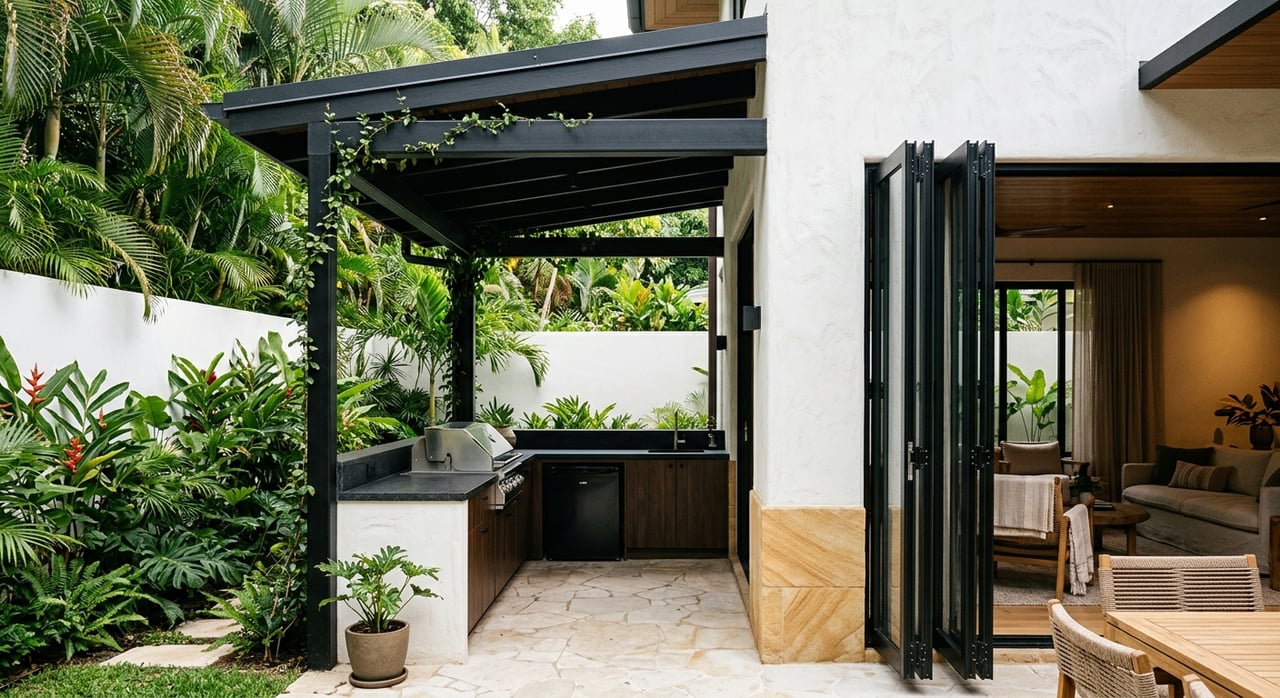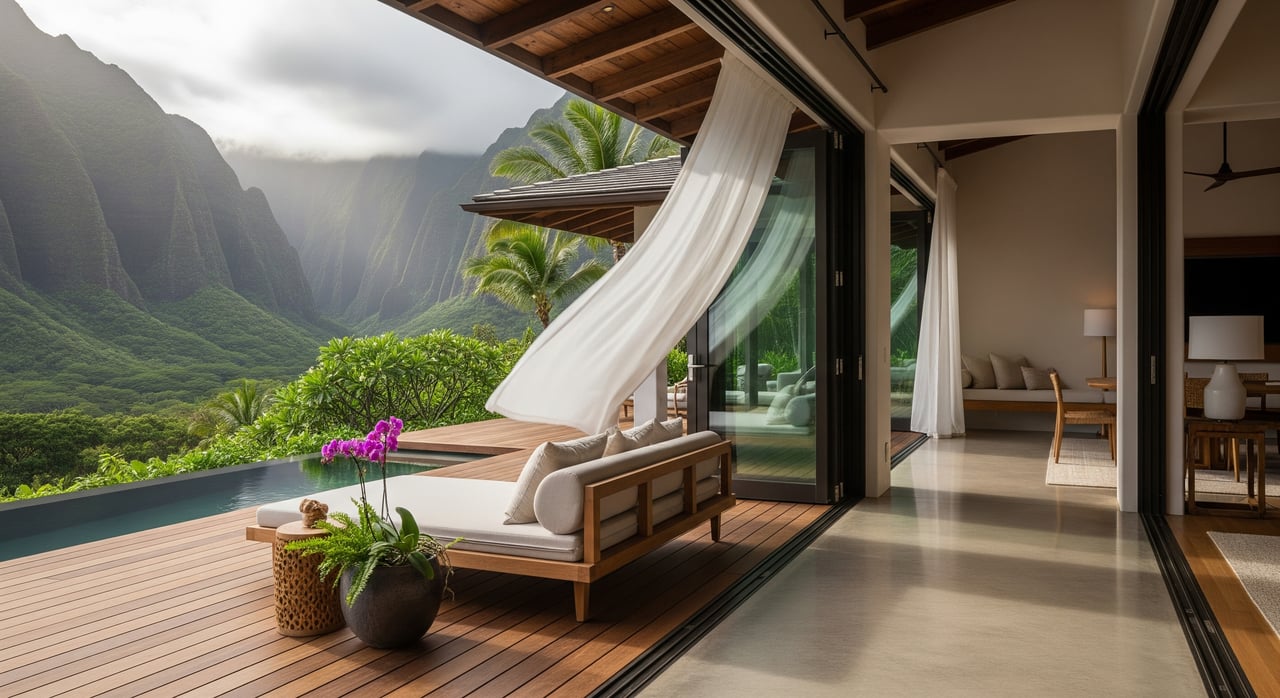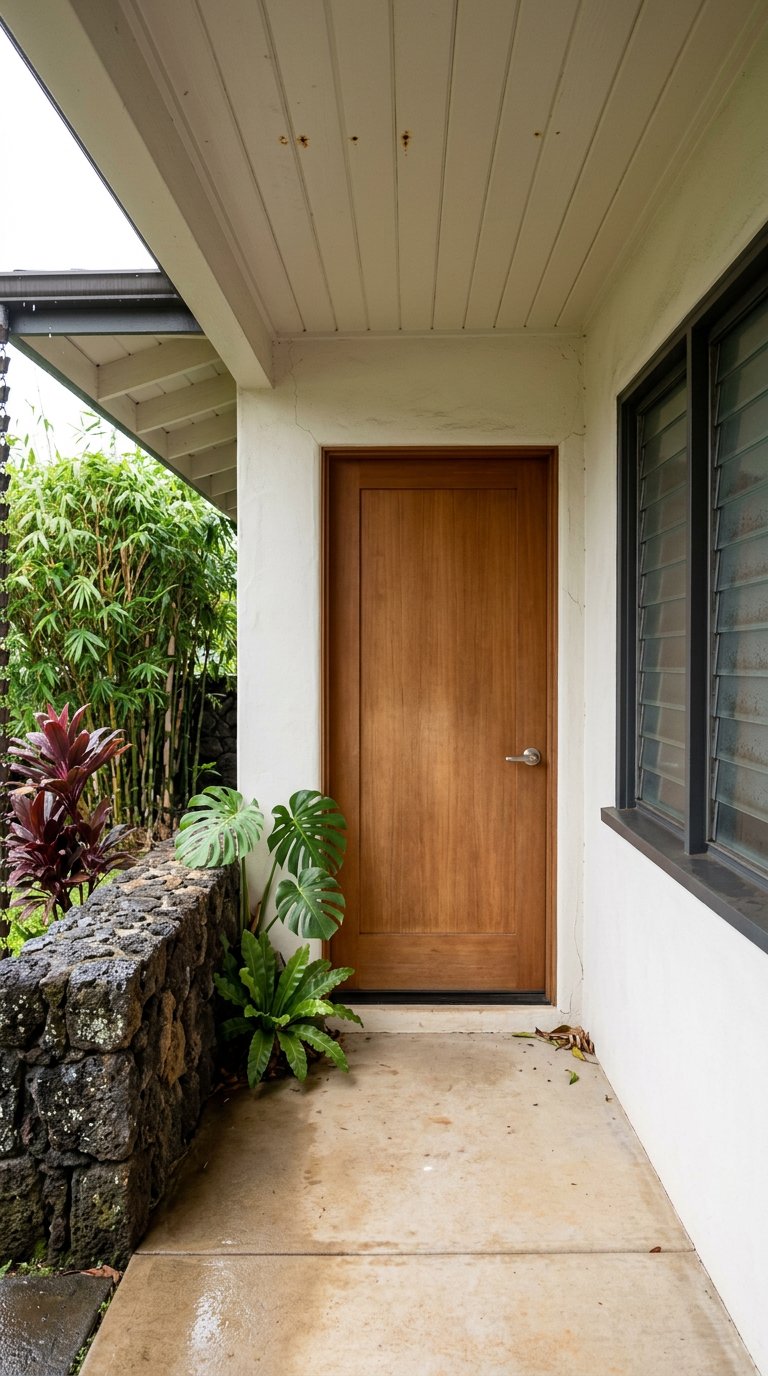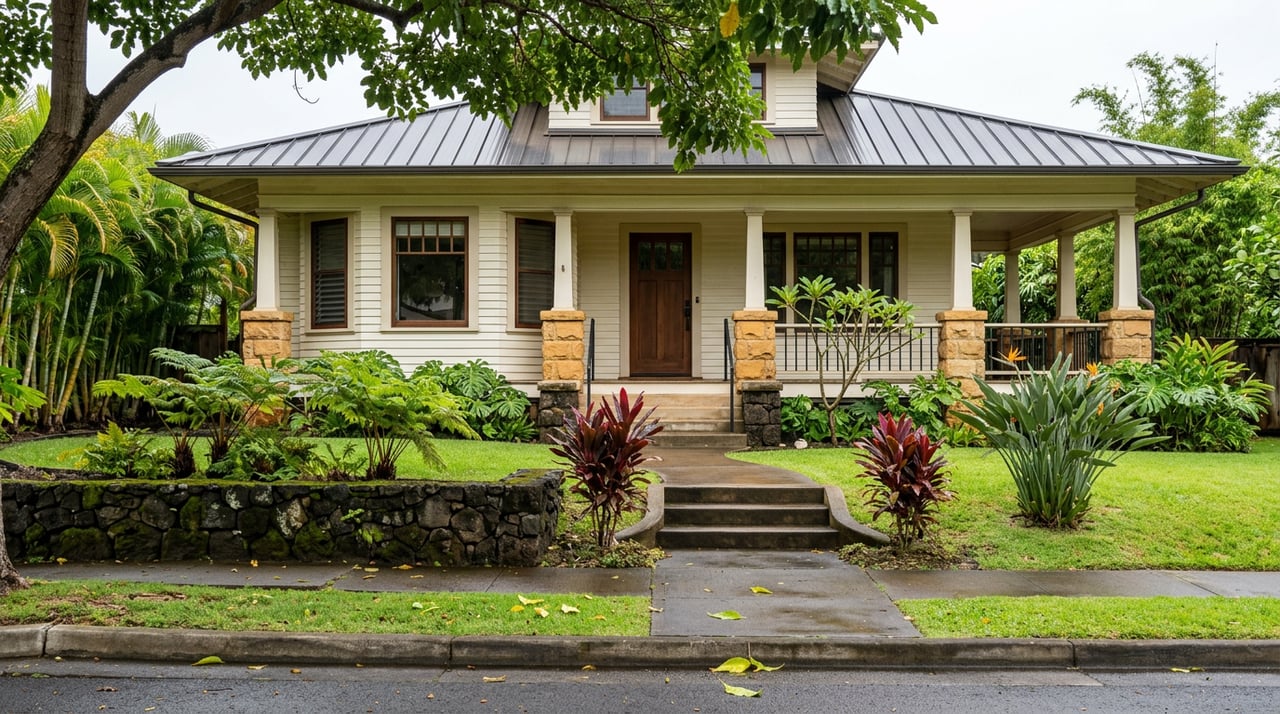
Torn between two valleys that both feel like home? If you are weighing Manoa against Nuuanu, you are comparing two of Honolulu’s most desirable green pockets, each with its own rhythm and trade-offs. You want the right mix of setting, commute, lot style, and maintenance realities, not just a pretty view. In this guide, you will get a clear, side-by-side look at the feel of each valley, common property types, microclimate impacts, commute patterns, and a practical tour checklist. Let’s dive in.
Quick snapshot: two valleys, two lifestyles
Both valleys sit along the foothills of the Koʻolau Range and offer a cooler, greener feel than coastal neighborhoods. Still, they live a little differently day to day.
Setting and feel
- Manoa: Inner, lush valley with a strong stream corridor, dense tree canopy, and compact, sheltered neighborhoods.
- Nuuanu: Closer to central Honolulu with varied topography that ranges from near-downtown streets to steeper upper-valley pockets.
Typical property character
- Manoa: Many mid-20th-century single-family homes and cottages, plus scattered multi-family pockets near the valley floor.
- Nuuanu: Mix of older single-family homes, some larger-lot properties and estates upslope, and incremental newer remodels.
Microclimate
- Manoa: Notably wetter and more humid with frequent light rainfall and morning fog in some seasons.
- Nuuanu: Still wet relative to leeward areas, but more variation with elevation and cooler breezes on upper slopes.
Practical trade-offs
- Manoa: Strong green aesthetic and proximity to UH-area amenities, balanced against more rain-related maintenance and some narrower roads.
- Nuuanu: Greater variety in lot sizes and terrain, often closer to downtown, with access and steepness that can change block by block.
Microclimate and maintenance realities
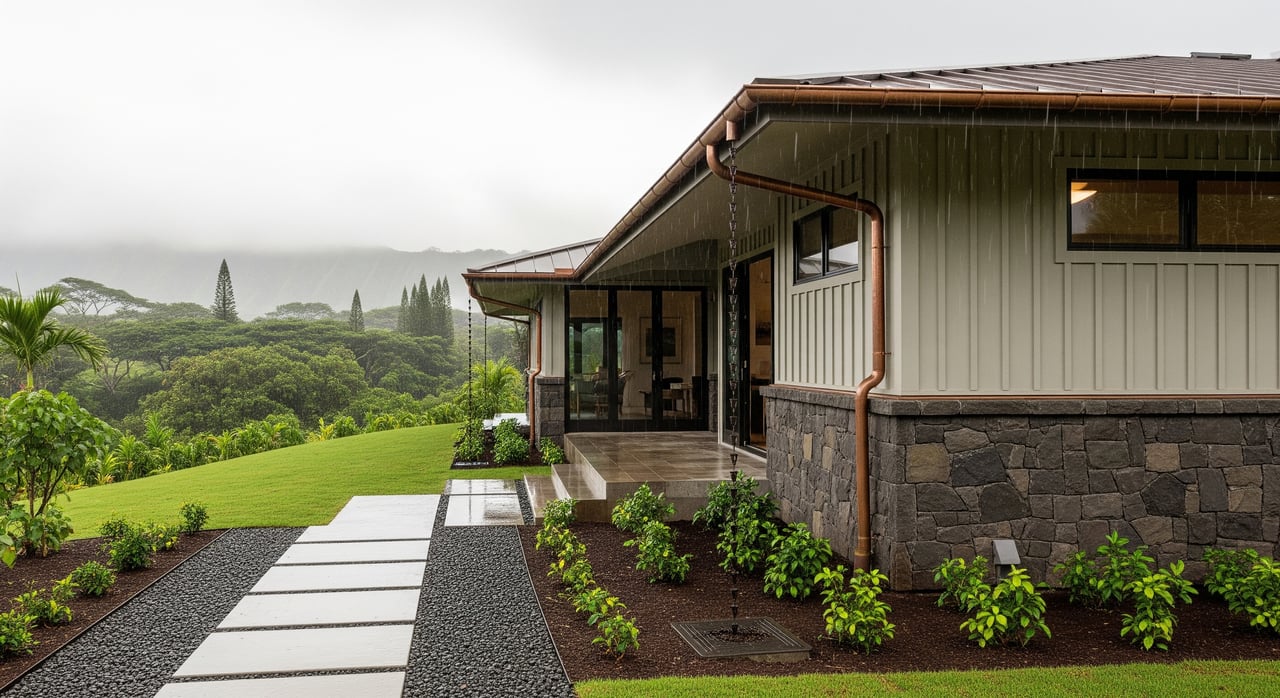
Both valleys receive more rainfall than many coastal neighborhoods in Honolulu. In Manoa, expect frequent light showers and higher humidity. In Nuuanu, conditions vary more with elevation, but moisture is still a factor.
This matters for upkeep. More rain can mean additional attention to roofing, gutters, exterior paint, and ventilation. Poor airflow can lead to mildew in enclosed spaces. Moss and algae may develop on shaded paths and driveways.
Drainage deserves a close look. Stream corridors and gulches run through both valleys. Localized flooding can occur during heavy storms, so plan to check flood maps, city drainage information, and any property-specific drainage history.
If you are considering a sloped lot, evaluate retaining walls and slope stability. Cut-and-fill construction is common in hillside areas, and older walls may need reinforcement. Mature trees are a signature of both valleys, but large roots can affect foundations, sewer lines, and hardscape. Factor in trimming schedules and root management.
Housing stock and lot characteristics
Both valleys are dominated by single-family homes, many built in the mid-20th century. You will find a mix of preserved classics, partial remodels, and full modernizations. New construction is less common due to mature neighborhoods, topography, and zoning limits. When new builds appear, they are often major remodels or infill projects.
- Manoa lots: Parcels closer to the valley floor tend to be more compact, sometimes with narrower frontages influenced by stream corridors and older road patterns. Yards may slope toward ravines.
- Nuuanu lots: Wider variation overall. Near-downtown parcels can be compact, while upper-valley properties may be larger with more privacy. Elevation shifts can change sun exposure and airflow within a few blocks.
Typical condition items include aging roofs, termite risk, older plumbing, and wood elements that need repair or modernization. Renovations often focus on moisture control, foundation stabilization, and updated kitchens and baths. Many homes are marketed as-is or after staged remodels.
Zoning and hillside rules can limit how far you can expand. Setbacks, drainage requirements, and retaining-wall permitting all factor into renovation plans. Near streams and steeper slopes, conservation or environmental overlays may apply. Always verify with city planning and permitting records before you commit to a project.
Commute and daily logistics
Your daily routes will shape how each valley feels.
- Manoa access: Quick connections to the University of Hawaiʻi and central Honolulu via Mānoa Road and nearby arterials. Some pockets have narrow streets and limited on-street parking, which can slow trips or complicate guest parking.
- Nuuanu access: Direct corridors to downtown and Punchbowl via Nuuanu Avenue and Pali Highway, plus a convenient link to windward Oʻahu. Upper-valley streets can be steeper and winding.
Honolulu traffic has distinct morning and evening peaks. Travel time can vary significantly by hour. If commute time matters, test it yourself on a typical weekday during peak hours using live routing. TheBus serves both valleys, but route frequency depends on location and time of day. Walking is easiest near the valley floors, while upper slopes are more car dependent. Biking is feasible on flatter stretches, but many roads are shared with narrow shoulders.
Parking deserves attention in older cores. Properties without off-street parking or garages may be less convenient for multi-car households. If you rely on deliveries or service trucks, check driveway slope and street width during a tour.
Budget and market sense check
Prices in both valleys generally track above many leeward suburbs due to location and the natural valley setting. Exact numbers move with the market, and the best decisions are made with current data. Review the latest market reports from the Honolulu Board of REALTORS and cross-check with MLS sold data and active listings for a real-time snapshot. For historical context, city property tax records can help you see assessed values over time.
Rather than targeting a fixed price based on old comps, define a budget range using current inventory and absorption patterns. If you plan to renovate, bake in costs for moisture mitigation, roof and exterior work, and any slope or retaining-wall improvements.
Which valley fits you?
Use these quick profiles to clarify your priorities.
Choose Manoa if you want:
- A lush, sheltered valley feel with a strong green aesthetic.
- Compact, established neighborhoods near UH and central Honolulu.
- Comfort with a wetter microclimate and the maintenance that comes with it.
- A mix of classic cottages and remodeled mid-century homes.
Choose Nuuanu if you want:
- A broader range of lot sizes, including larger properties upslope.
- Proximity to downtown and Punchbowl for frequent city commutes.
- Terrain that shifts quickly by block, with cooler breezes in higher areas.
- A blend of older homes, estates, and modernized properties.
If you prize greenery and a classic valley vibe, Manoa is compelling. If lot size and quick downtown access are top priorities, Nuuanu often takes the lead.
How to tour homes in Manoa or Nuuanu
Bring a short checklist to stay focused during showings.
- Entry and circulation: Road width, driveway slope, and off-street parking or garage capacity.
- Water and moisture: Check for dampness in utility areas, mildew odors, moss on exterior surfaces, and patching around windows and eaves.
- Roof and gutters: Roofing age, condition, and whether downspouts move water away from the foundation.
- Foundation and slopes: Look for cracks, leaning or bulging retaining walls, and sloping floors.
- Vegetation and trees: Note large trees near the home, root impacts on hardscape, and clearance around the roof and lines.
- Drainage: Trace surface-water flow, swales, culverts, and downspout discharge paths.
- Utilities: Find meters and cleanouts, note plumbing pipe materials, and check visible electrical panel capacity.
- Interior systems: Test water pressure, hot-water recovery, and basic electrical function during tours.
Due diligence and inspections to prioritize
Paperwork and professional eyes make a big difference in these valleys.
Documents to request
- Recent seller disclosures and repair invoices.
- Building permits and city inspection records.
- FEMA flood zone documents and any local floodplain notes.
- Property tax records, legal lot description, and title report with easements.
- Termite inspection history and treatment records.
Recommended inspections
- General home inspection with a moisture-focused review or thermographic scan.
- Structural or geotechnical consult for sloped lots or significant retaining walls.
- WDO and termite inspection.
- Sewer-line camera inspection for older plumbing.
- Arborist assessment for high-value or risk-prone trees.
Your next steps
If Manoa and Nuuanu are on your shortlist, pair a live commute test with a targeted property tour focused on drainage, slope, and maintenance fundamentals. Then use up-to-date MLS and city records to sharpen your budget and renovation plan. When you are ready for tailored guidance and a data-driven strategy, connect with Amber Parry for local insight and a clear plan.
FAQs
What are the biggest maintenance differences between Manoa and Nuuanu?
- Both are wetter than many Honolulu neighborhoods. Manoa typically sees more frequent light rain, which can increase roof, gutter, exterior paint, and ventilation needs. Nuuanu also has moisture exposure, with variation by elevation and cooler breezes on upper slopes.
How do commute times compare between the two valleys?
- Manoa links quickly to UH and central Honolulu, while Nuuanu offers direct routes to downtown and Pali Highway. Peak congestion can significantly change drive times, so test your specific route with live mapping during rush hour.
Are flooding or slope issues common in these valleys?
- Stream corridors and sloped lots exist in both valleys. Localized flooding can occur during heavy storms, and hillside areas may rely on retaining walls. Review flood maps, permits, and consider geotechnical input for steep sites.
How do lot sizes typically differ between Manoa and Nuuanu?
- Manoa’s valley-floor parcels often feel more compact. Nuuanu shows broader variation, from smaller near-downtown lots to larger upper-valley properties with more privacy and elevation changes.
Is new construction easy to find in Manoa or Nuuanu?
- New builds are limited due to mature neighborhoods, topography, and zoning. Many properties are remodeled or rebuilt through major renovations or infill on subdivided parcels.
What inspections should I prioritize before buying in either valley?
- Plan for a general inspection with moisture focus, WDO and termite review, sewer-line scope, and structural or geotechnical evaluation on sloped lots. An arborist review helps with large or protected trees near the home.