Love Manoa’s lush valley but worried about the rain? You’re right to think about how frequent showers and humidity can affect a home. With a smart checklist and the right pros on your side, you can spot issues early and budget for fixes without surprises. This guide gives you a clear plan for roofs, drainage, siding, lanais, and moisture control so you can buy with confidence. Let’s dive in.
Why Manoa’s rain matters
Manoa sits in a wetter microclimate where moist trade winds rise over the Koʻolau range. That means frequent rain, long stretches of humidity, and occasional heavy downpours compared with drier parts of Honolulu. These conditions can speed up wear on roofs and paint, increase biological growth on surfaces, and raise the risk of leaks or moisture intrusion. Salt exposure is less intense this far inland, but humidity still accelerates corrosion on metal fasteners and flashing.
Showing-day checklist
Use these quick checks during your first visit. You are not diagnosing, just noting items to ask your inspector about.
Roofs
- Look for rust, missing or loose fasteners, open seams, or patching on metal or shingle roofs.
- Note moss, algae, dark streaks, or sagging lines that can signal aging or poor drainage.
- Inside, scan ceilings and the attic for water stains, peeling paint, or soft spots.
Gutters and drainage
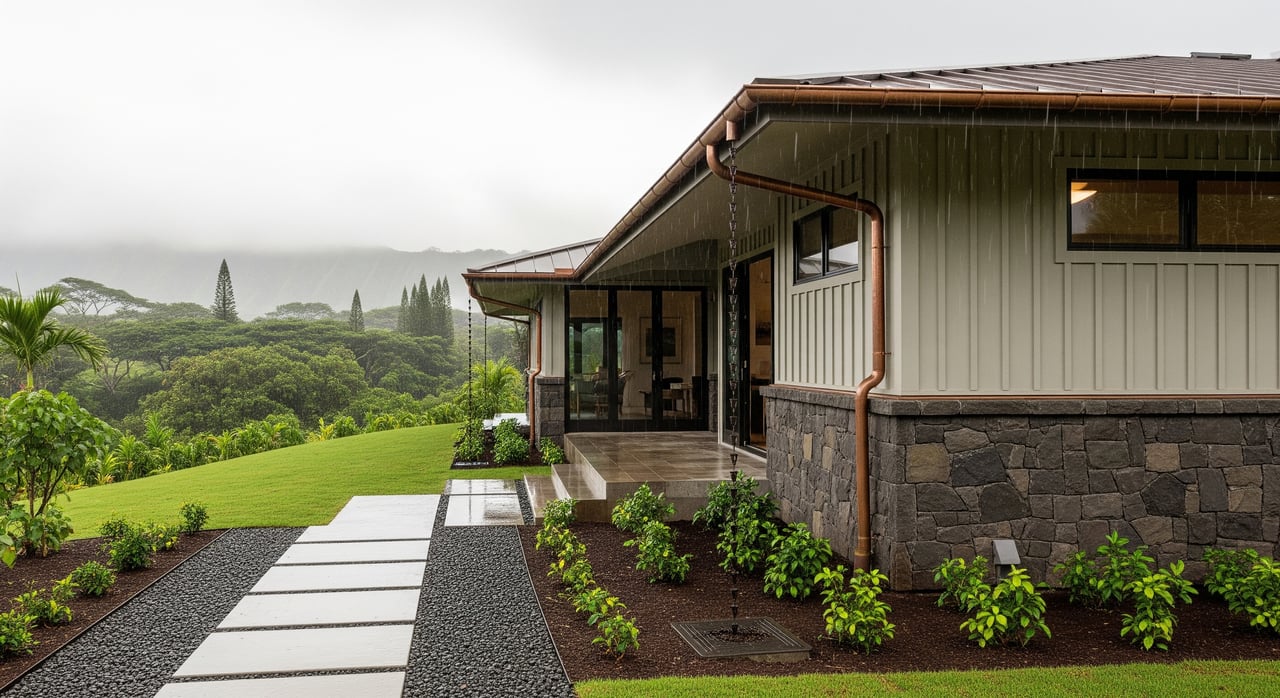
- Confirm gutters and downspouts are present and not sagging or clogged.
- Look for downspout extensions that carry water away from the house.
- Check for standing water near the foundation or driveway after recent rain.
Siding and finishes
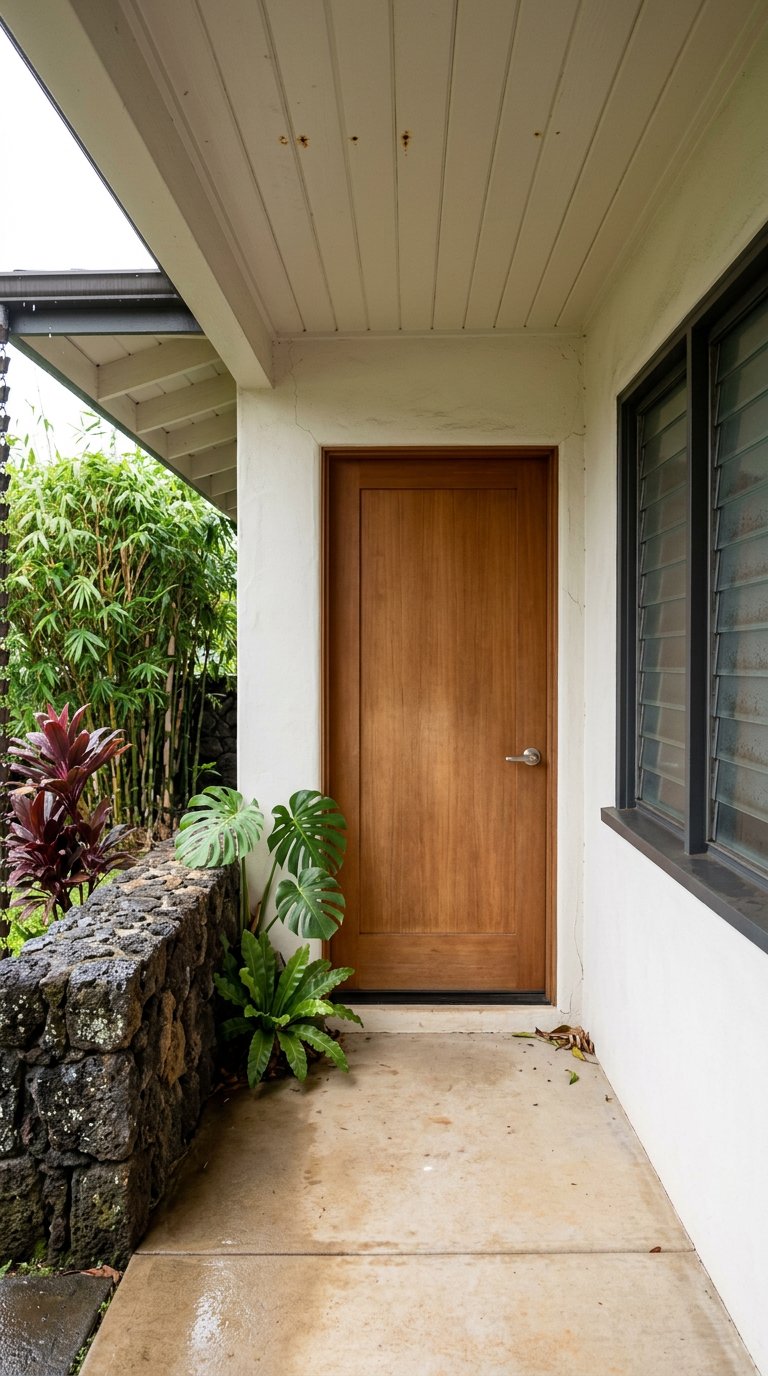
- Watch for peeling paint, cracked stucco, soft wood, dark streaks, or gaps at joints.
- Gently check trim and window sills for softness or visible rot if the seller allows.
- Note failed caulking around windows and doors that could allow water in.
Lanais, balconies, and roof decks
- Look for soft spots, buckling, or significant discoloration on decking surfaces.
- Confirm there is a visible slope away from the home and that drains or scuppers are clear.
- Check railings for wobble or rust at attachment points. Musty odors in enclosed lanais can suggest hidden moisture.
Interiors and moisture
- Use the smell test in closets, bathrooms, and lanais. Persistent musty odors deserve attention.
- Look for stains, bubbling paint, or efflorescence on walls and ceilings.
- Open cabinets under sinks and check laundry areas for leaks or mildew.
What to ask your inspector
Once you are under contract, ask your licensed inspector to focus on the items that matter most in Manoa’s climate.
Roofs
- Verify flashing around skylights, vents, chimneys, valleys, and edges is secure and sealed.
- Check roof penetrations and sealants for deterioration. Confirm roof slope and runoff paths.
- Look for signs of previous leaks or patching in sheathing and decking. Ask about the age and remaining life of the roof and any existing warranty.
Gutters and site drainage
- Confirm gutters are correctly sized and pitched. Downspouts should discharge several feet from the foundation or into proper drainage features.
- Evaluate grading to ensure soil slopes away from the home. Note any ponding.
- Review how nearby public drains or Manoa Stream might affect the site, and check retaining walls for seepage or hydrostatic pressure.
Siding and exterior details
- Inspect flashing where siding meets roofs, decks, and grade, which are common leak points.
- Confirm proper finishing, back-priming where applicable, and adequate caulking at joints.
- Check for pest or termite damage where wood meets soil or moisture persists.
Lanais and roof decks
- For any deck over living space, verify the waterproof membrane, flashings, and past repairs.
- Inspect connections where the lanai meets the main structure.
- Check the underside for stains, rot, or termite evidence.
Interiors, attic, and ventilation
- Confirm adequate attic ventilation and insulation. Look for condensation on roof sheathing.
- If accessible, review crawlspaces or floor voids for standing water, damp soil, or mold.
- Request moisture meter readings and visible mold testing if stains or odors are suspicious.
Drainage and flood awareness in Manoa
Orographic showers can overwhelm undersized drainage. You want water moving away from the house quickly and safely. Grading should direct flow away from foundations, and downspouts should not discharge at the base of walls. Properties near Manoa Stream or lower valley areas may have higher flood risk, so review flood maps and local resources and ask your inspector about site-specific conditions.
Maintenance habits that pay off
Simple habits help Manoa homes perform better and last longer.
- Schedule professional roof inspections every 2 to 4 years, and annually for older or low-slope roofs.
- Clean gutters at least twice per year. In areas with heavy tree cover, quarterly checks are smart.
- Remove organic growth from roofs and siding using products suited to the material and local conditions.
- Refresh exterior paint and caulking more frequently than in drier neighborhoods.
- Re-seal deck membranes as recommended and keep drains and scuppers clear.
- Use corrosion-resistant fasteners and components during repairs.
Budget and timeline for early improvements
Every home and bid is different, and costs in Hawaiʻi vary due to shipping, labor, and permitting. Plan broadly, then get written local estimates once you are in escrow.
Immediate priorities: 0 to 3 months
- Fix active leaks and any loose or unsafe railings.
- Clean gutters and address minor flashing or sealant issues.
- Add temporary grading or extensions to move water away from the home.
- Treat active termite issues if found.
Short term: 3 to 12 months
- Recoat or patch roofing where needed and tune up flashing.
- Regrade small areas and extend downspouts.
- Repair lanai membranes and critical caulking.
- Tackle exterior paint and trim in the most exposed zones.
Medium term: 1 to 5 years
- Replace the roof if it is near end of life or performing poorly.
- Complete major waterproofing on roof decks or lanais.
- Invest in larger drainage upgrades such as French drains or dry wells.
- Consider siding replacement or a full repaint with high-quality products.
How to fund improvements
- Use inspection findings to request seller credits or repair escrows when possible.
- Explore contractor bids during your contingency period for better planning.
- Consider re-loan options or a HELOC after closing for larger projects. Confirm details with your lender.
Pros to call first
A strong team saves money and stress.
- Licensed general home inspector with Oʻahu experience
- Licensed roofer familiar with metal, shingle, and tile systems in Hawaiʻi
- Licensed pest and termite inspector with a WDO report
- Structural or civil engineer for complex drainage, retaining walls, or foundation concerns
- Licensed contractor for waterproofing and membrane work on lanais and decks
- Landscape or drainage contractor experienced in Honolulu stormwater solutions
Permits and local rules in Honolulu
Many larger projects need permits from the City and County of Honolulu Department of Planning and Permitting. Re-roofing, structural changes, enclosing a lanai, or adding drains and retaining walls can trigger permits. Always verify permit history for past work, since unpermitted changes can affect insurance and resale. Hawaiʻi follows statewide building codes with local amendments, so work with licensed contractors who understand the requirements. For properties near waterways or in lower areas, review floodplain resources and check flood zone status before committing to major changes.
Ready to buy in Manoa?
You can enjoy Manoa’s green, peaceful setting while staying ahead of the rain. With the right checklist, inspections, and a clear plan for early improvements, your new home can perform beautifully in this climate. If you want a local, investor-minded strategy for your purchase, connect with Amber Parry to talk through your goals and next steps. Schedule a Consultation.
FAQs
How often should a Manoa roof be inspected?
- Given frequent rain and humidity, schedule a professional roof inspection every 2 to 4 years, and annually if the roof is older or has low-slope areas.
How soon should I clean gutters after closing on a Manoa home?
- Inspect and clean right after closing, then set recurring service at least twice per year, with more frequent checks if trees overhang the roof.
Are lanais over living spaces risky in Manoa’s climate?
- They can be if membranes and flashings are aging or poorly installed. Ask for a close inspection of the membrane, flashings, and the underside for stains or rot.
Should I ask to view the attic during a showing in Manoa?
- Yes, with seller permission. Attic views can reveal stains, condensation, insulation issues, or ventilation problems that you might not see elsewhere.
How do I tell if siding stains are cosmetic or a moisture problem?
- If stains wipe off easily, it may be algae or mildew. Soft spots, delamination, or signs of wetness behind siding point to possible moisture intrusion that needs professional evaluation.