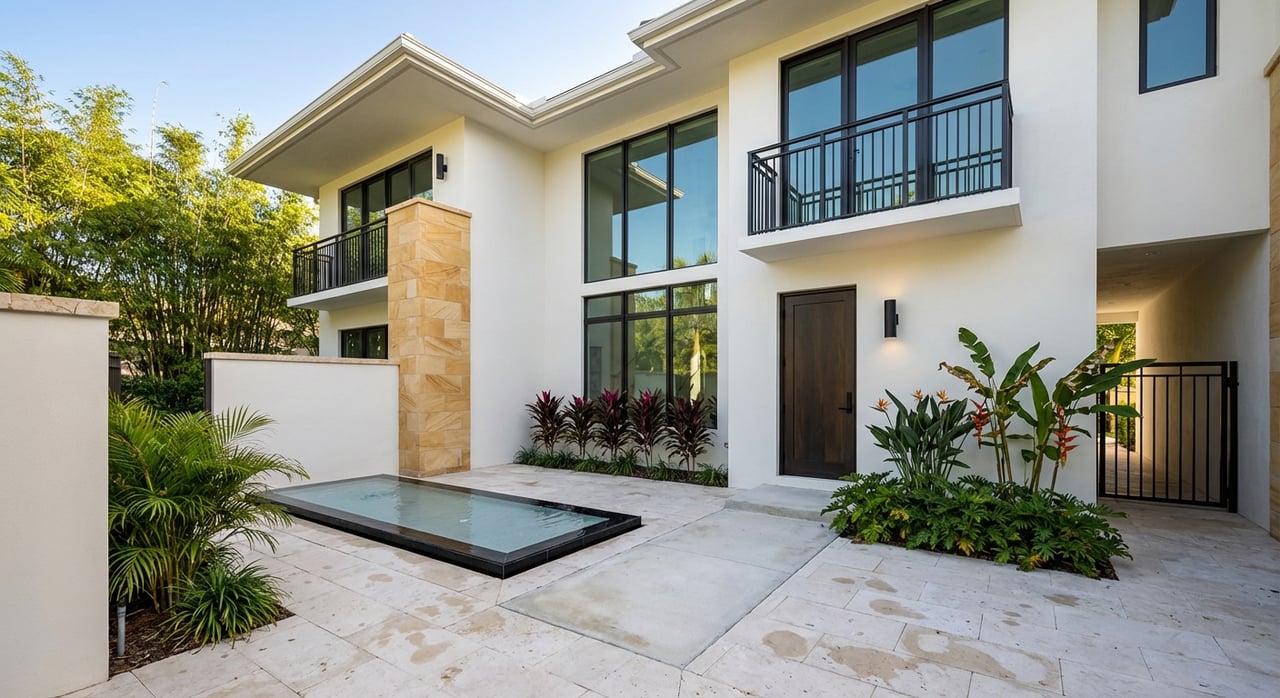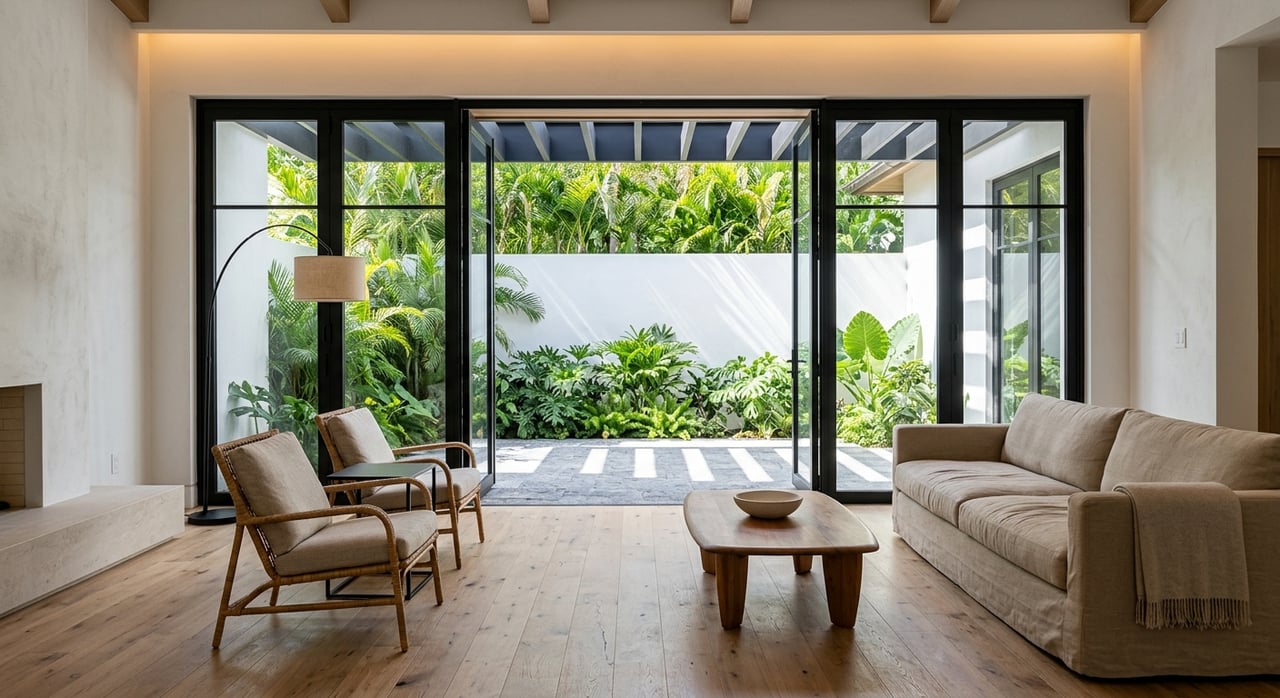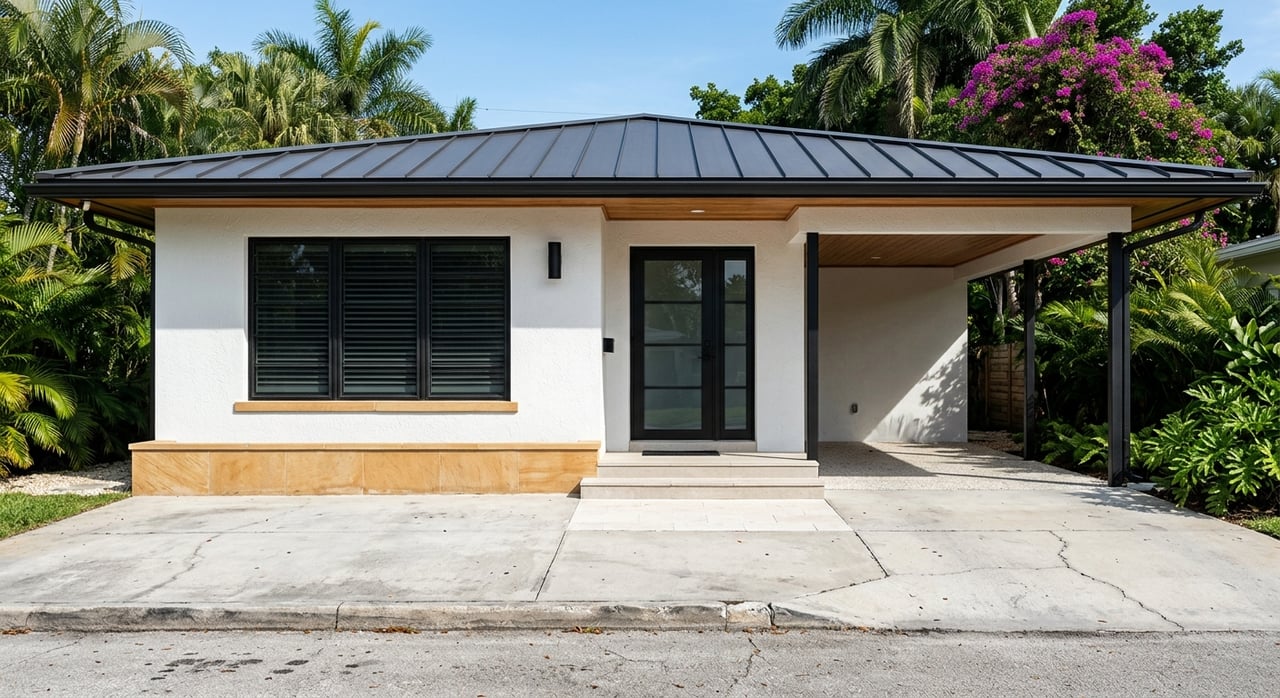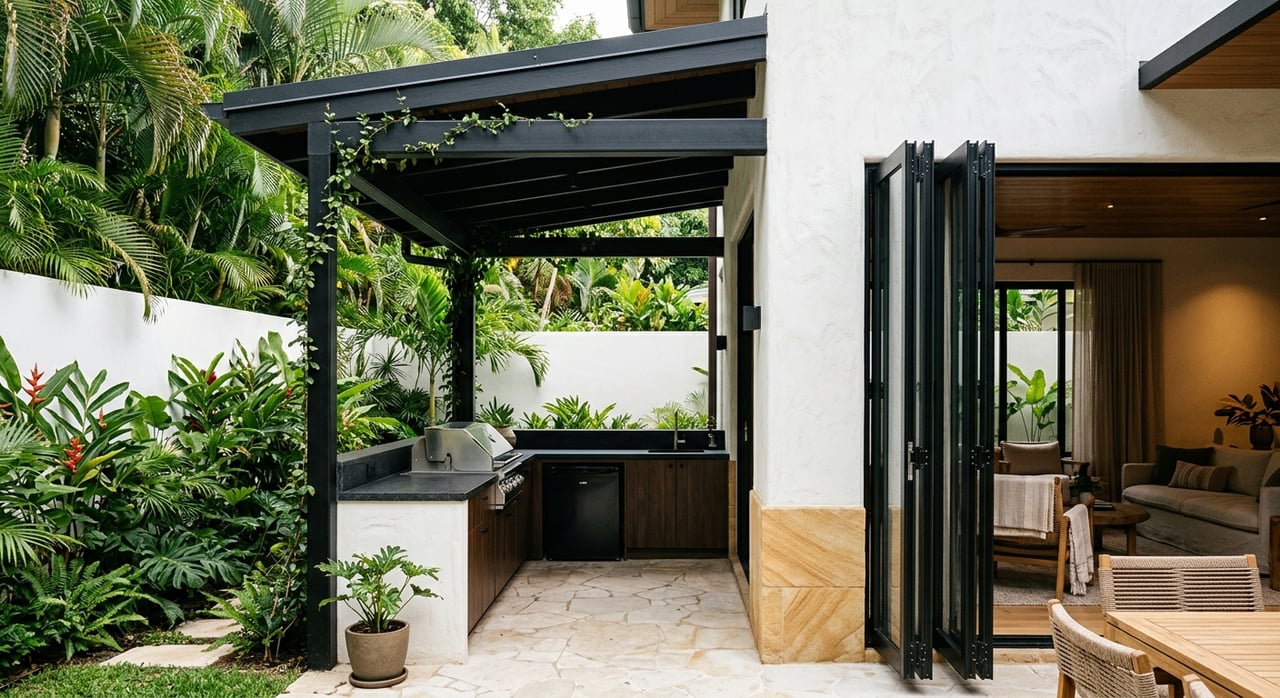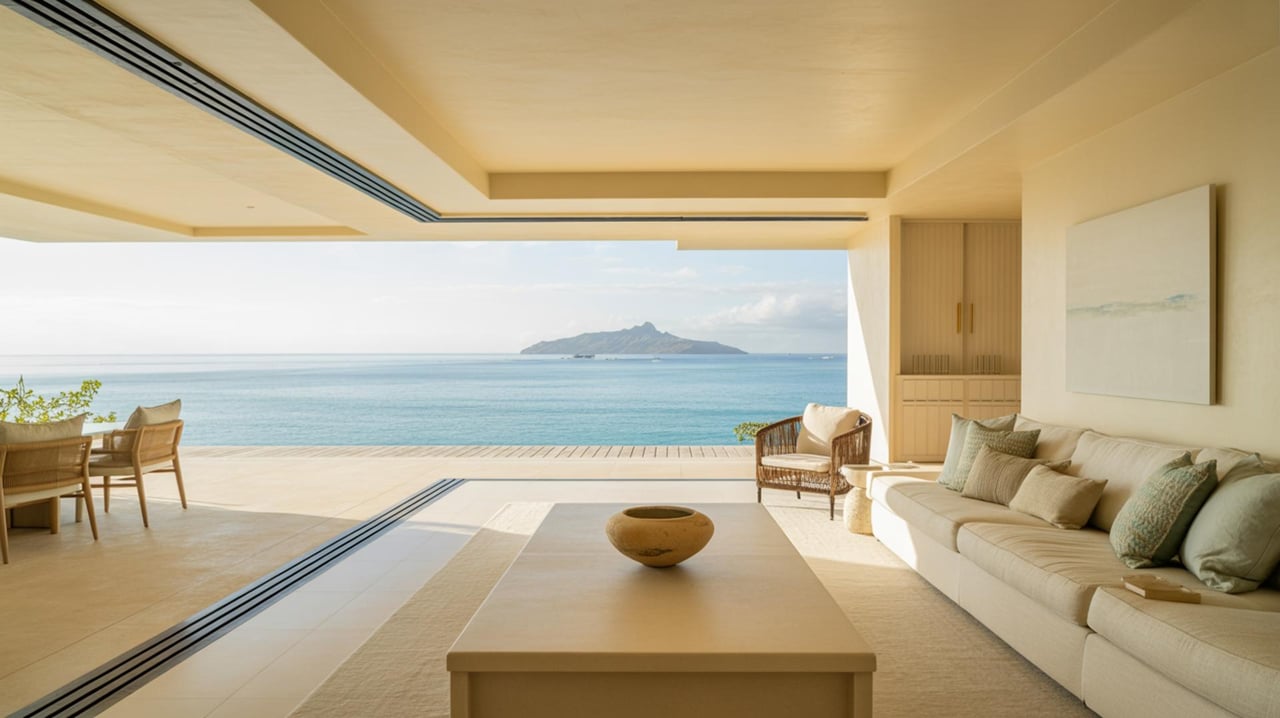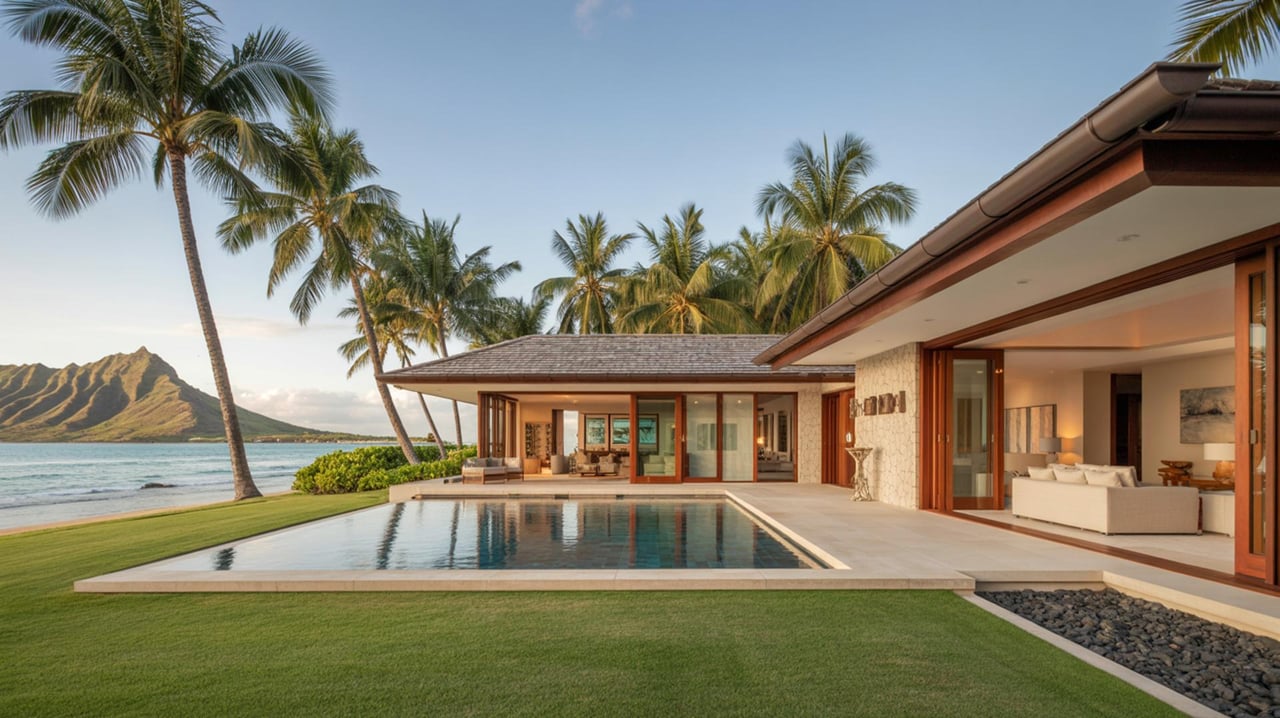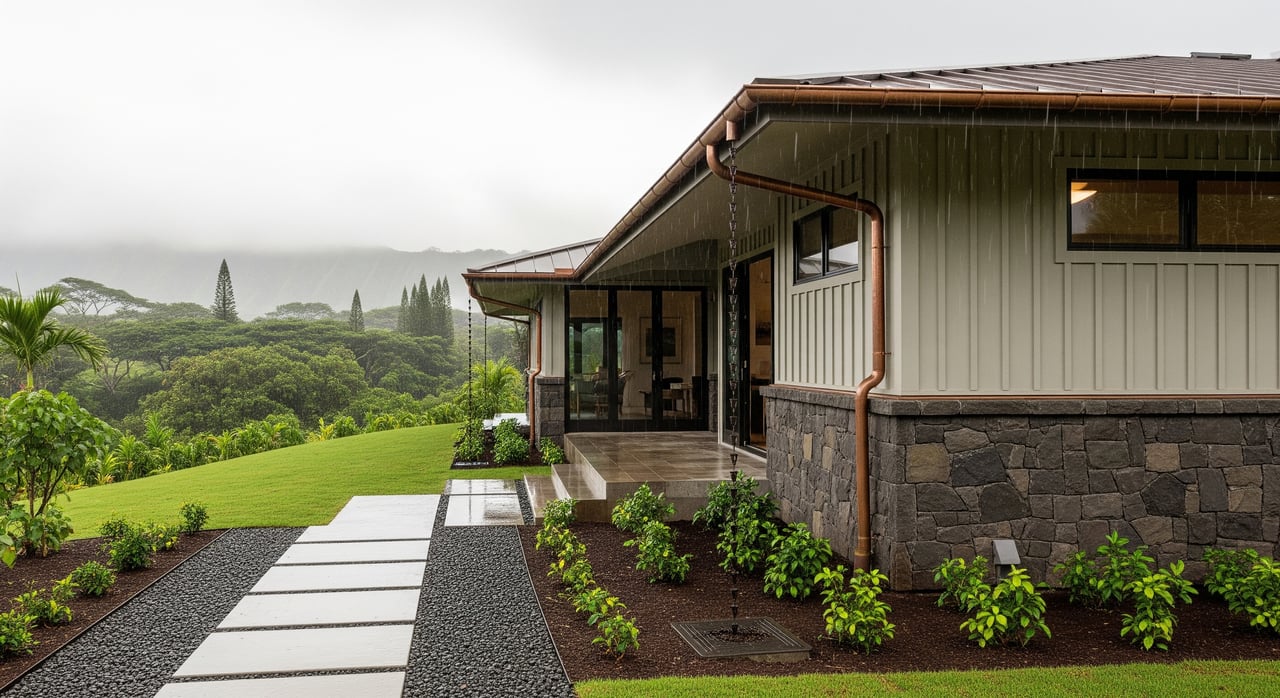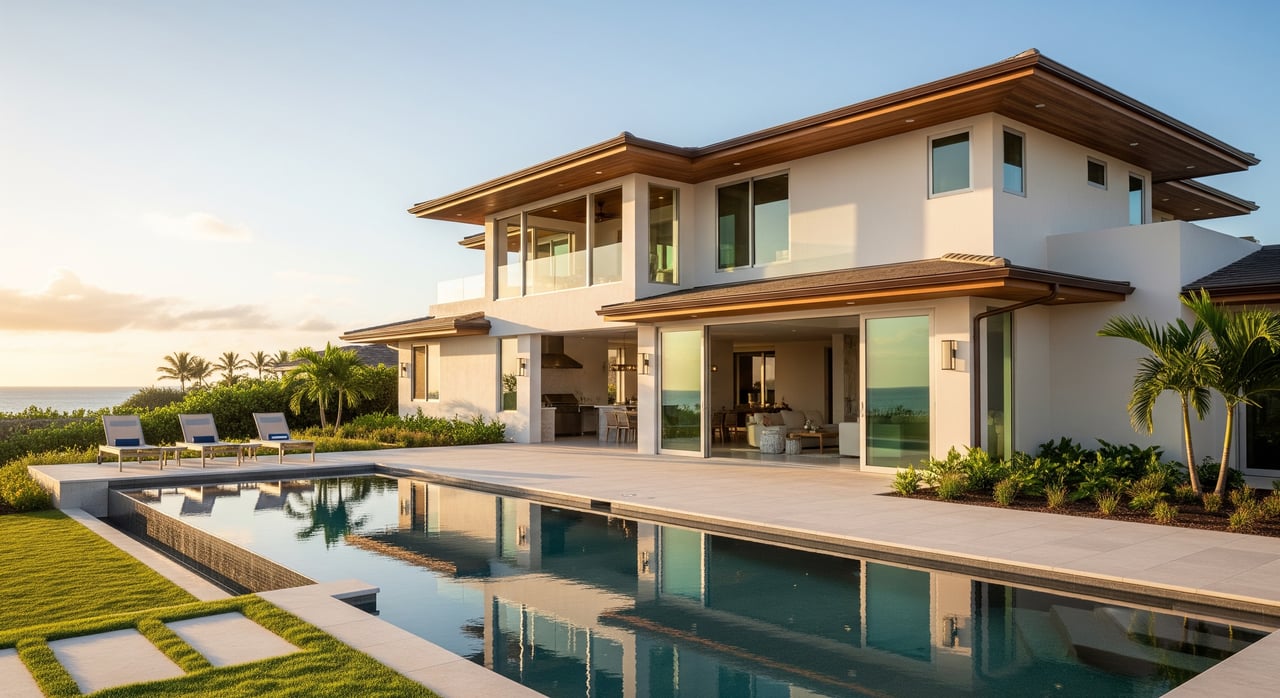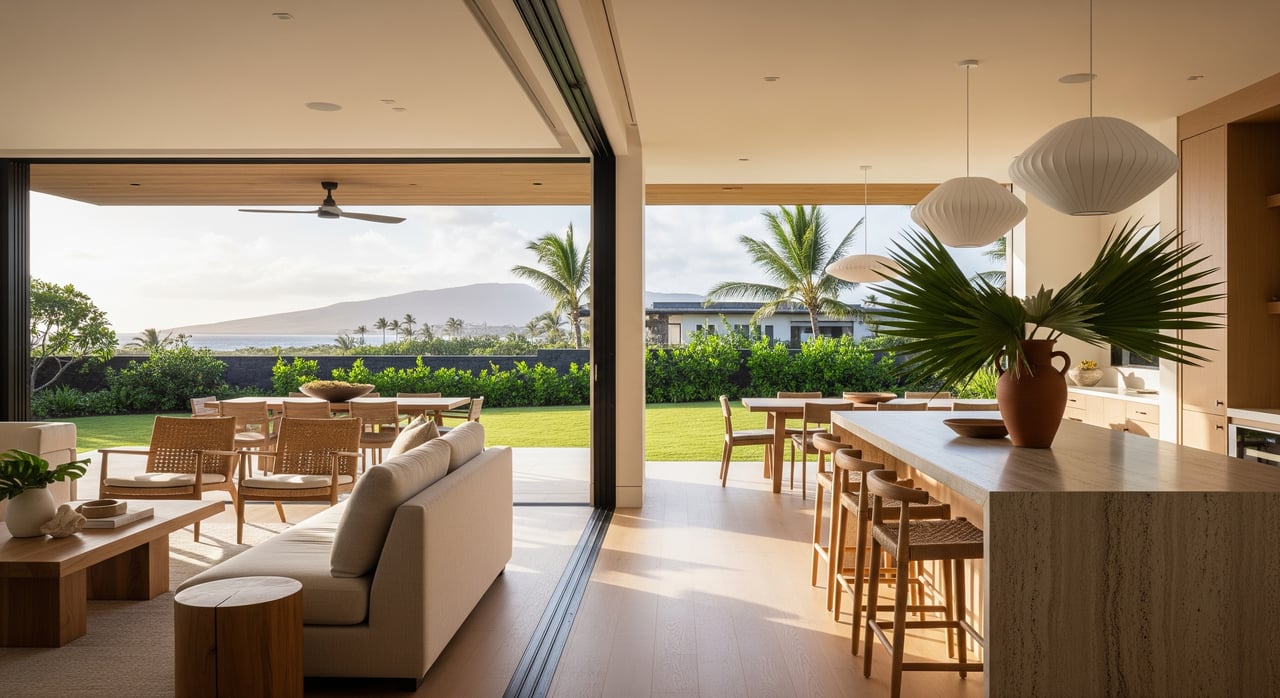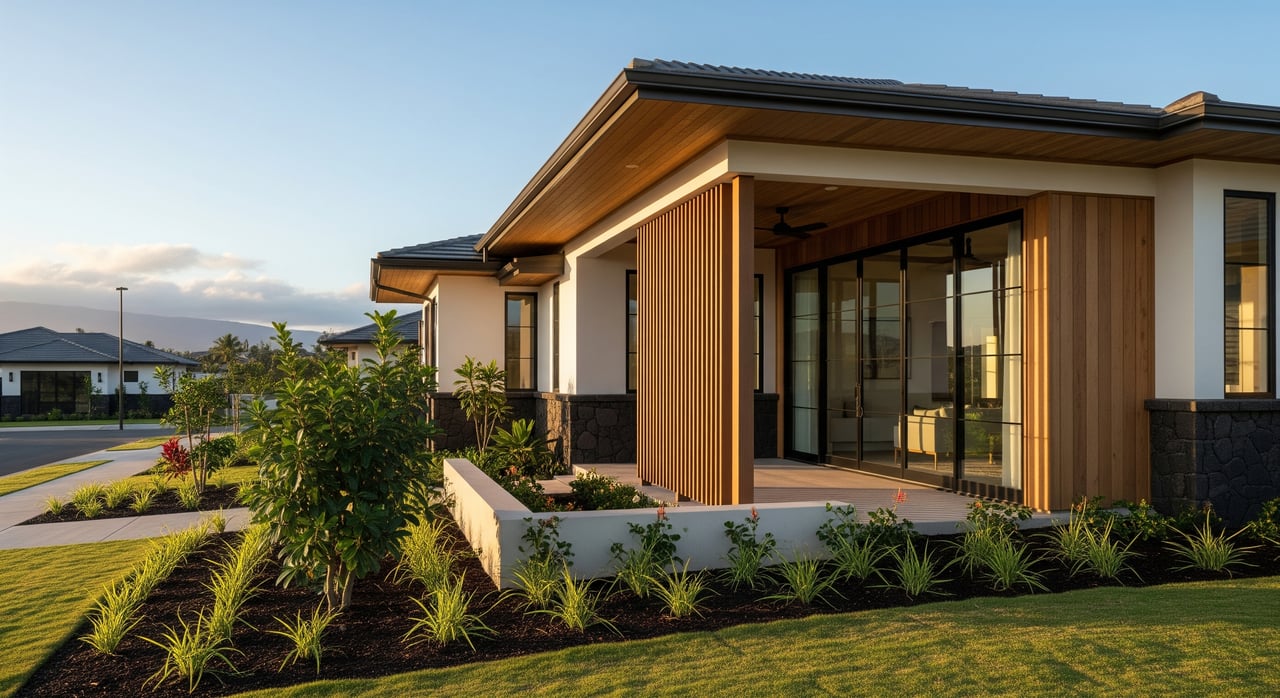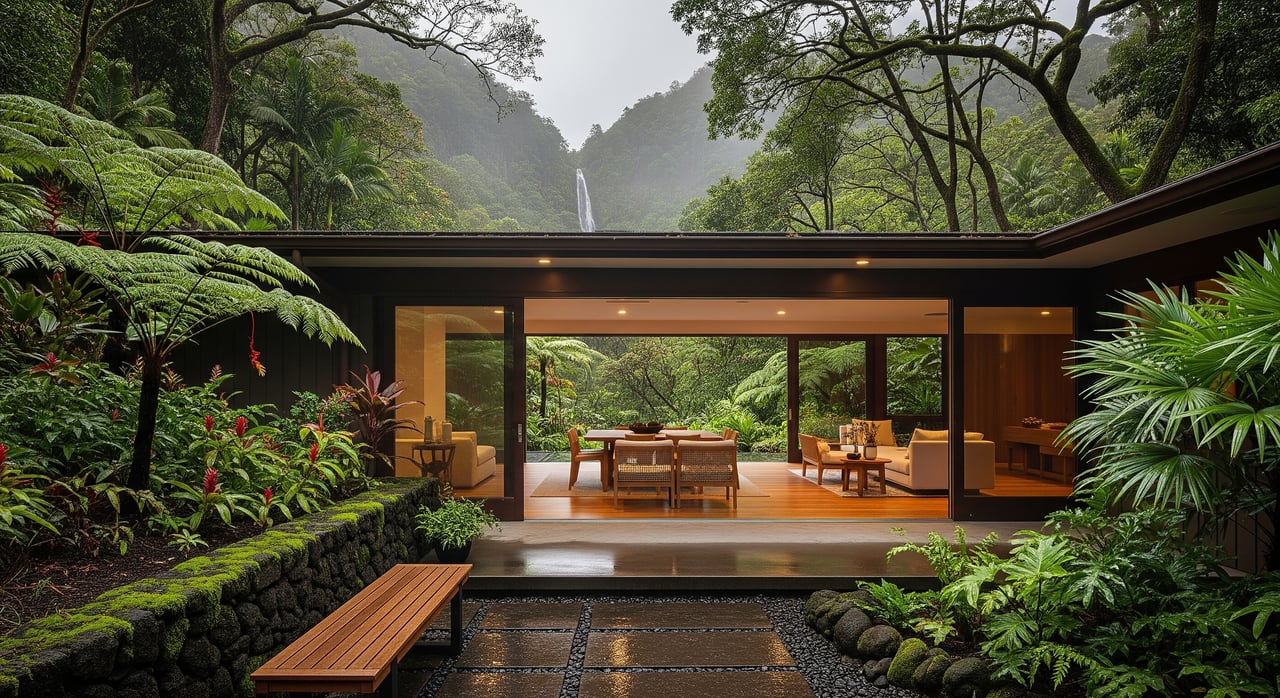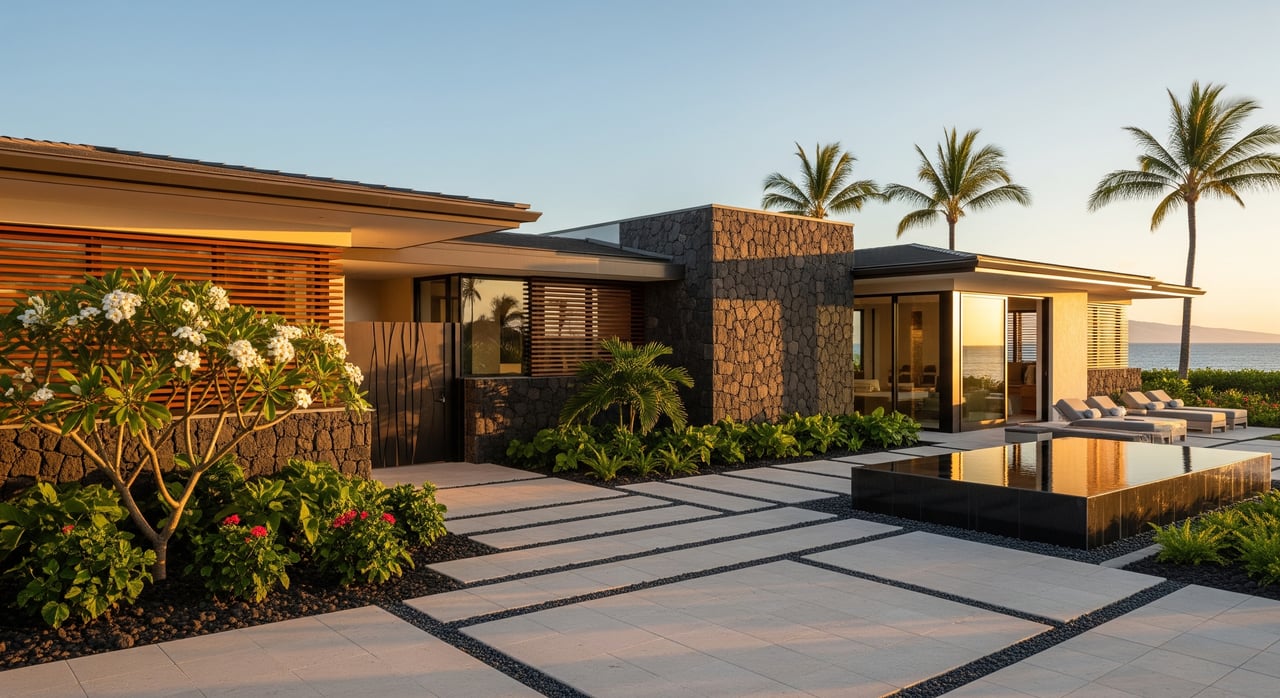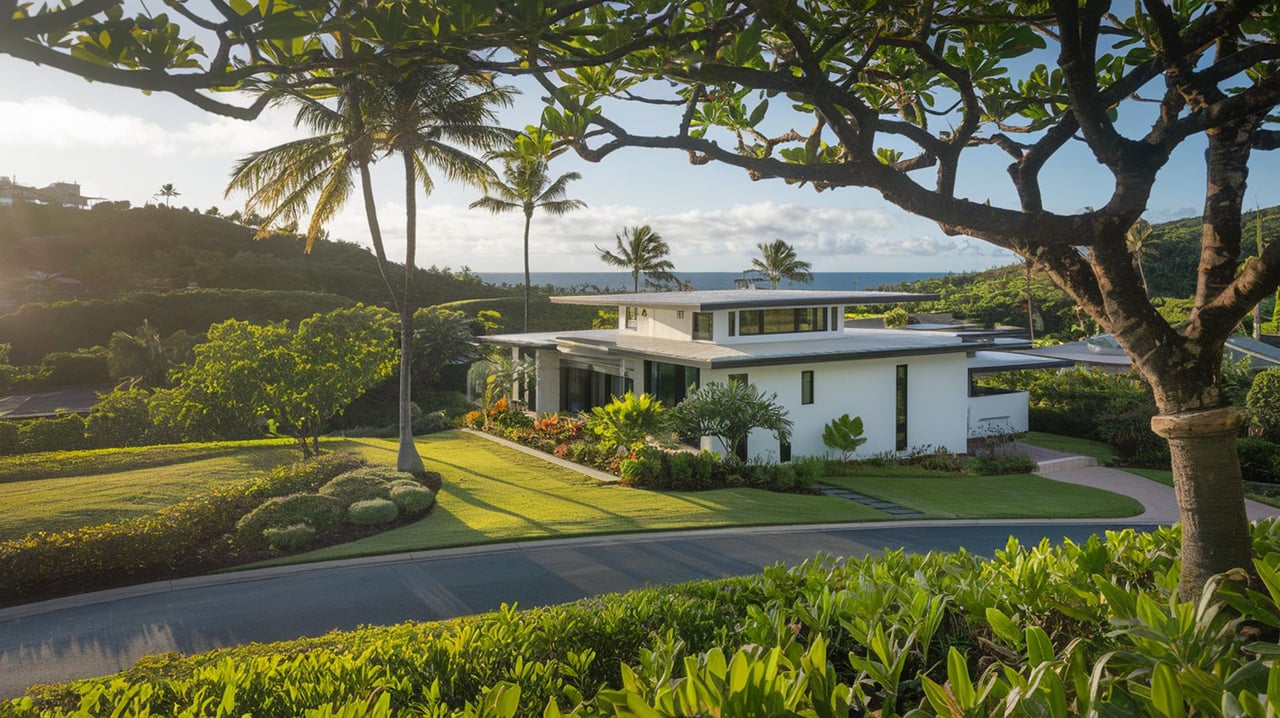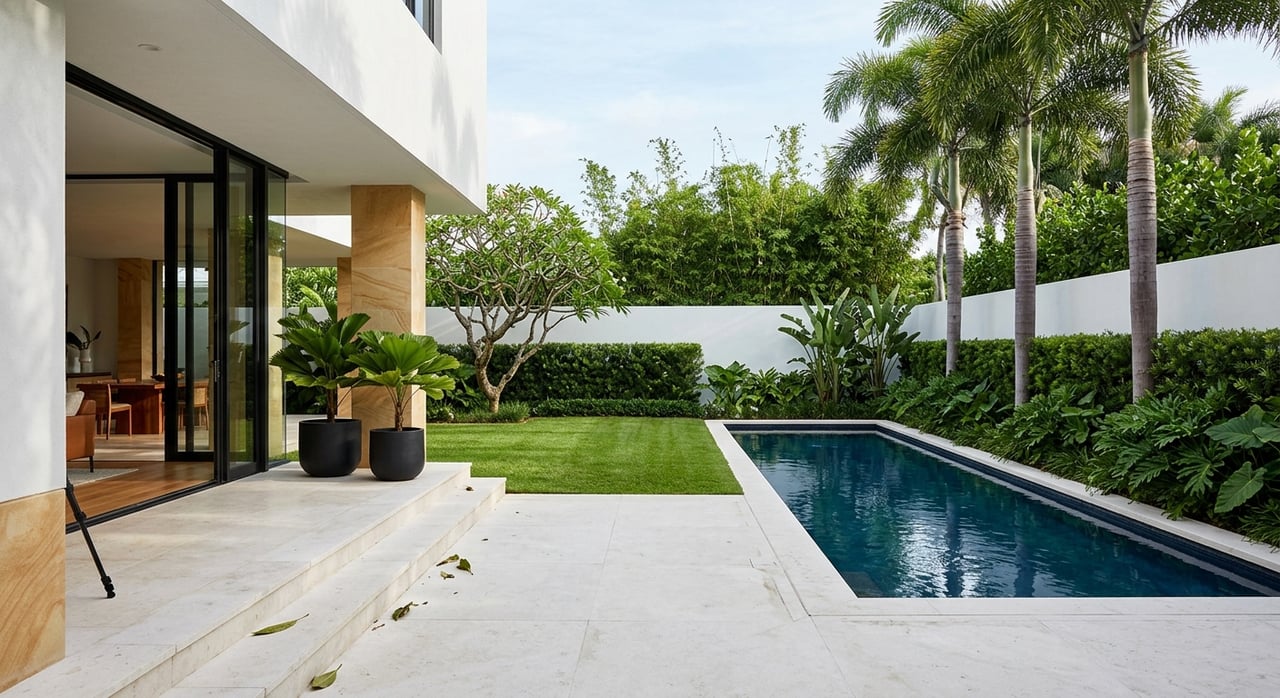
If you are comparing Kahala beachfront homes with interior estates in Kahala Kua, you are really deciding what kind of luxury matters most to you. Some buyers want the shoreline at their doorstep, while others want more privacy, more usable land, and fewer coastal constraints. Understanding that tradeoff can help you narrow your search with more confidence and avoid surprises later. Let’s dive in.
What separates beachfront from interior estates?
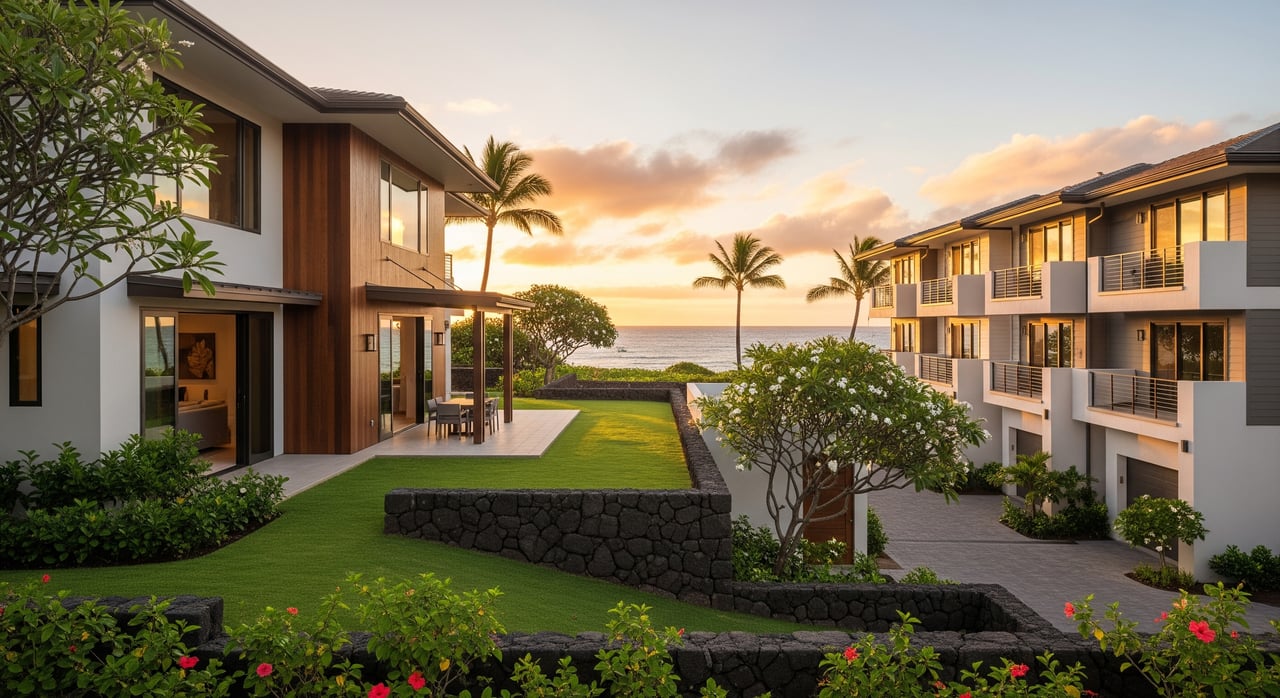
In Kahala, the biggest difference is simple: your relationship to the shoreline. Beachfront parcels sit along the coastal edge, while interior estates are set inland and are not directly tied to the beach boundary.
That distinction affects more than your view. According to the City and County of Honolulu’s Primary Urban Center development plan, the shoreline side of Kahala includes access from Kahala Beach Park, six pedestrian rights-of-way along Kahala Avenue, and a right-of-way from Kaikoo Place. In practical terms, beachfront ownership comes with a more public-facing edge than many buyers first expect.
Why buyers choose beachfront Kahala
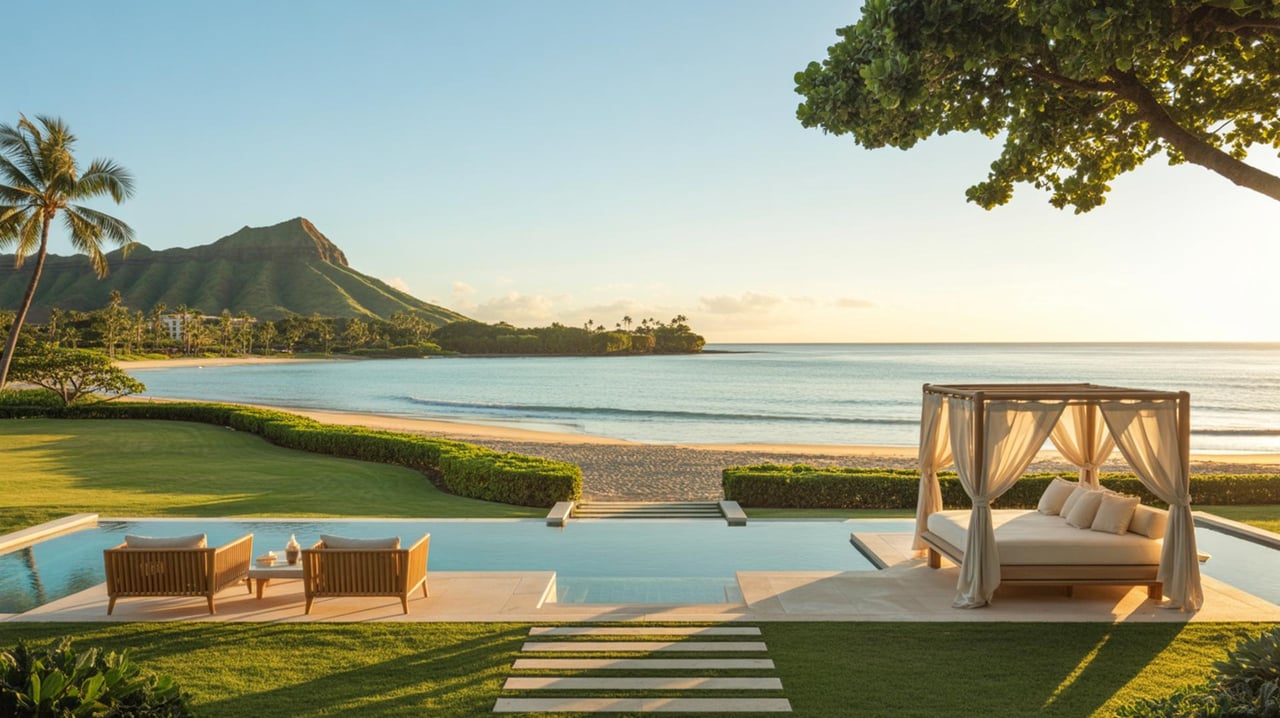
Beachfront properties offer the most direct version of the ocean lifestyle. You get immediate beach access, open coastal views, and a daily connection to the water that is hard to duplicate inland.
For many buyers, that exclusivity is the point. A true shoreline property can feel rare because you are buying the edge itself, not just a home near the ocean. That kind of scarcity often shapes how buyers think about long-term value.
The lifestyle appeal of oceanfront living
If your ideal day starts with a beach walk and ends with sunset views, beachfront may be the clearest fit. You are not driving to the coast or planning around it. The ocean becomes part of your daily routine.
That said, direct access also means more visibility and more exposure. Public shoreline access points nearby can influence how private a property feels, especially compared with an inland estate tucked away from the beach corridor.
The realities of a more exposed location
Owning at the shoreline also means taking coastal conditions seriously. Hawaiʻi’s Coastal Zone Management Program notes that coastal areas are managed to balance development with protection of coastal resources, and the state identifies hazards such as erosion, tsunamis, hurricanes, flooding, subsidence, and earthquakes.
That does not mean beachfront ownership is a bad choice. It means you should approach it with clear eyes. Salt, wind, flooding exposure, and shoreline change are all part of the ownership picture when you buy on the ocean’s edge.
Why buyers choose interior estates in Kahala Kua
Interior estates appeal to buyers who want a luxury setting without the same direct shoreline interface. In many cases, the draw is privacy, lot utility, and a quieter edge rather than immediate sand access.
Kahala Kua’s official community site places it in Honolulu 96821. Within the broader Kahala conversation, it serves as a strong example of the inland, view-oriented estate lifestyle that many luxury buyers want when they prefer separation from shoreline traffic and coastal permitting issues.
Privacy and lot utility matter
An inland estate often gives you more flexibility in how you use your property. That can mean more practical outdoor space for entertaining, landscaping, or simply enjoying a larger yard area without the same shoreline-driven constraints.
This is one of the clearest differences between beachfront and interior living. Two homes may appear similar in overall lot size, but the amount of truly usable land can be very different once shoreline setbacks and coastal conditions are factored in.
Views are still possible inland
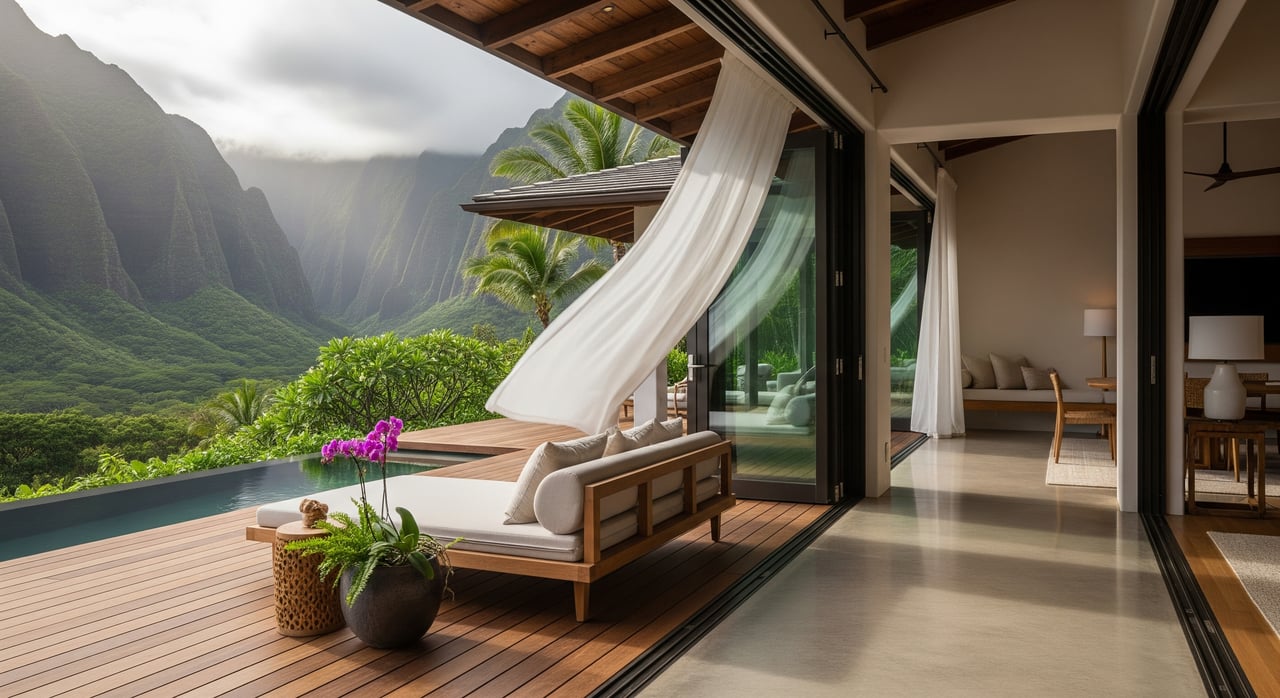
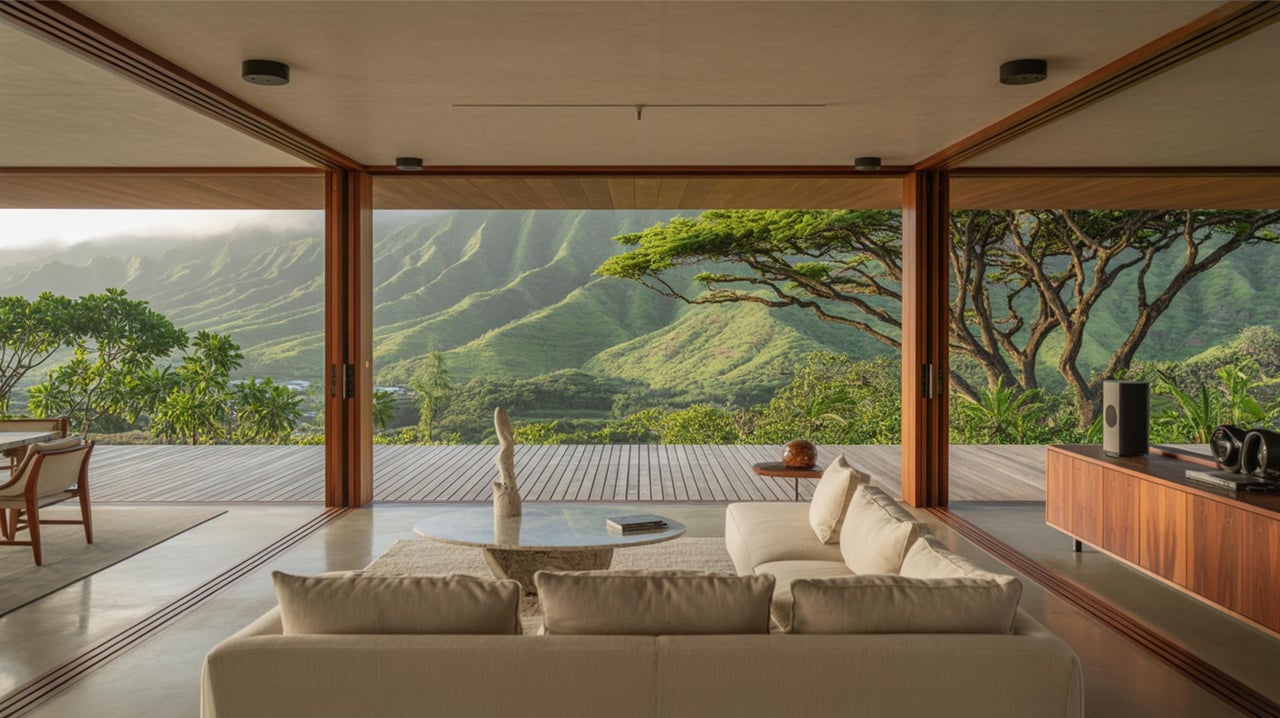
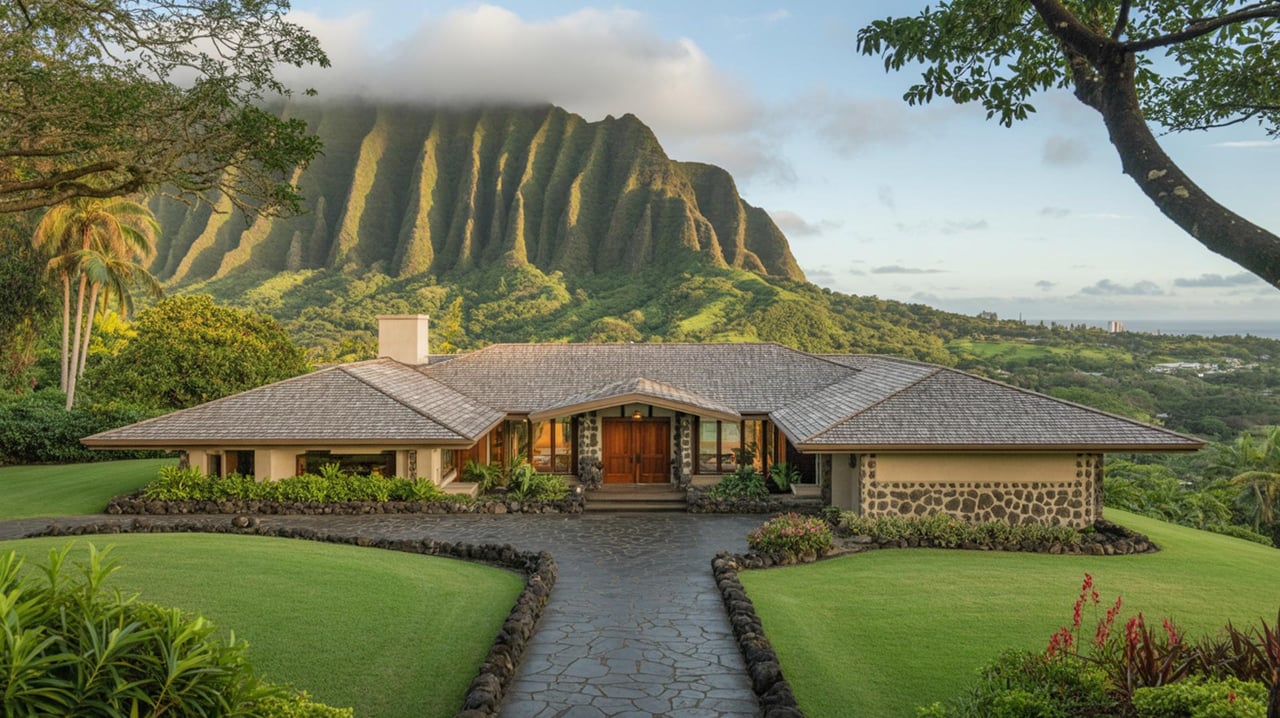
Choosing an interior estate does not always mean giving up ocean views. Elevated ridge settings can still offer impressive outlooks while creating a more private residential feel.
For buyers who want ocean proximity without living directly on the shoreline, that balance can be very appealing. You may still enjoy views and access to nearby beaches, but with a different ownership profile than a beachfront parcel.
How shoreline rules affect beachfront property
One of the biggest differences between these property types is what you can do with the land over time. Beachfront lots face more shoreline-related review, and that can affect renovation plans, additions, landscaping, and even site layout.
Honolulu’s Chapter 26 shoreline setback rules and the city’s hazard planning framework indicate that the standard shoreline setback increased from 40 feet to 60 feet beginning July 1, 2024, with erosion-based distances in some areas. The code also requires shoreline lots to be configured so they can accommodate the setback and preserve buildable area.
Why paper lot size can be misleading
This is where buyers need to look beyond the listing sheet. A large beachfront lot on paper may not offer the same day-to-day yard utility as a similarly sized inland parcel.
If setbacks, shoreline conditions, or hazard buffers limit where improvements can go, your usable outdoor space may be smaller than expected. That is why lot size alone is not enough when comparing beachfront and interior estates in Kahala.
Permits and approvals can be more layered
State and county review also matters more at the shoreline. Hawaiʻi’s Special Management Area permit guidance explains that SMA permits are the first permit required for development within the SMA, and shoreline-related work may also involve additional state procedures.
For buyers considering a waterfront property, future plans should be reviewed carefully before closing. Renovations, retaining walls, landscaping changes, and any shore-protection work may fall under rules that do not affect inland estates in the same way.
Coastal hazards deserve extra due diligence
Beachfront buyers should take a deeper look at risk before making an offer. The University of Hawaiʻi Sea Grant and State DLNR guide on purchasing coastal real estate in Hawaiʻi recommends reviewing elevation, shoreline condition, lot configuration, prior erosion-control attempts, and the legal status of shoreline structures.
Flood exposure should also be part of your review. FEMA’s official flood mapping tools are used in lending and insurance decisions, which makes hazard research an important step in the buying process.
Questions worth asking on a shoreline lot
If you are seriously considering beachfront property, focus on questions like these:
- Where is the certified shoreline and setback line?
- Is the parcel in a Special Management Area?
- Is the property in a flood-hazard area?
- Are there seawalls, revetments, or other shoreline structures?
- Are those structures legal, nonconforming, or subject to limits?
- How much of the lot is truly usable after setbacks and hazard considerations?
The DLNR shoreline certification process is outlined on the state’s shoreline certifications page. These are not small details. They can shape what the property means for you both now and years from now.
How buyers usually think about value
When buyers compare Kahala beachfront homes with interior estates, the value question often comes down to frontage versus functionality. Are you paying for direct access to the shoreline, or are you paying for privacy, lot utility, and simpler site planning?
Based on the shoreline access, setback, and hazard framework in the research above, beachfront buyers are typically prioritizing immediate ocean access, panoramic views, and the prestige of the coastal edge. Interior estate buyers are often prioritizing larger usable grounds, a more private environment, and fewer shoreline-related complications.
Neither choice is universally better. The better fit depends on what you want your property to do for you.
Which option fits your goals?
If you want a true waterfront lifestyle and understand the added exposure, regulatory layers, and maintenance considerations, beachfront may be the right move. If you value privacy, more practical outdoor space, and a luxury home that still keeps you close to Kahala’s beaches and amenities, an interior estate may be the better match.
In a micro-market like Kahala, the smartest decision usually comes from matching the property type to your priorities, not just the photos. If you want a clear, strategic read on how a specific property fits your goals in Kahala Kua or the broader Kahala market, Amber Parry can help you evaluate the tradeoffs with local insight and investor-minded perspective.
FAQs
What is the main difference between Kahala beachfront and Kahala Kua interior estates?
- The main difference is the property’s relationship to the shoreline. Beachfront homes sit on the coastal edge with direct beach access and more shoreline-related exposure, while interior estates are inland and typically offer more privacy and land utility.
Do Kahala beachfront homes have more public exposure?
- Yes. Based on Honolulu planning documents, the shoreline side of Kahala includes beach park access and multiple pedestrian rights-of-way, which can make the beachfront edge more public-facing than inland estate locations.
Are interior estates in Kahala Kua less affected by shoreline regulations?
- Generally, yes. Interior estates are less directly tied to shoreline setbacks, shoreline certification issues, and some coastal permitting layers that more often affect beachfront parcels.
Do beachfront lots in Kahala always have more usable yard space?
- No. A beachfront lot may be large on paper, but shoreline setbacks, erosion concerns, and hazard-related limitations can reduce how much of that land is practically usable.
What due diligence should you do before buying a Kahala beachfront home?
- You should review the certified shoreline location, setback lines, flood exposure, SMA status, shoreline structures, and the amount of usable land, along with any limits that may affect future improvements.
Can an interior estate in Kahala Kua still have ocean views?
- Yes. Elevated inland settings can still offer strong ocean views while giving you a more private and less shoreline-exposed ownership experience.