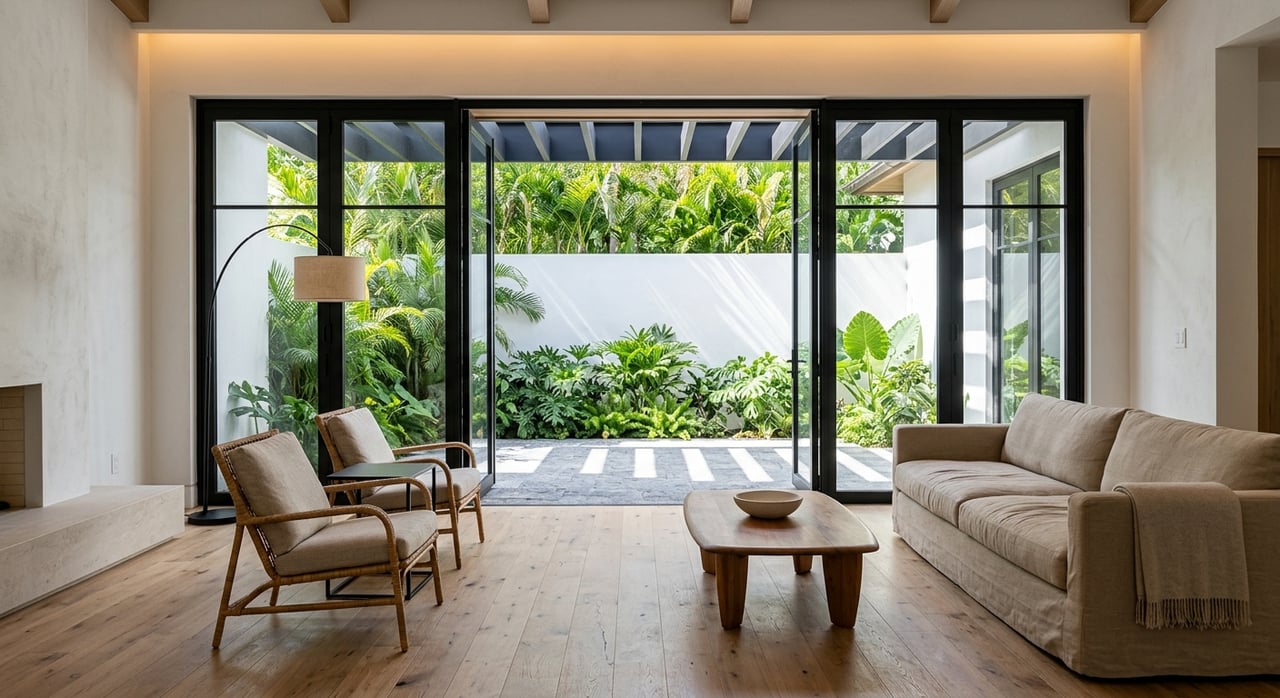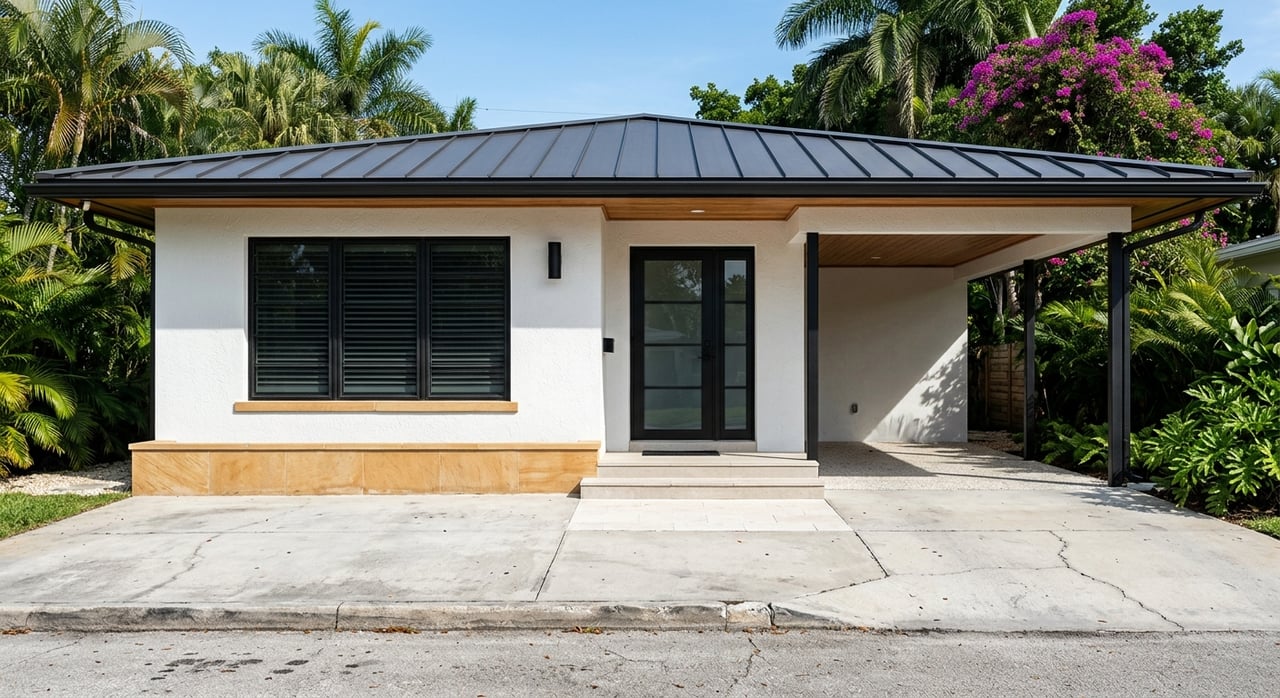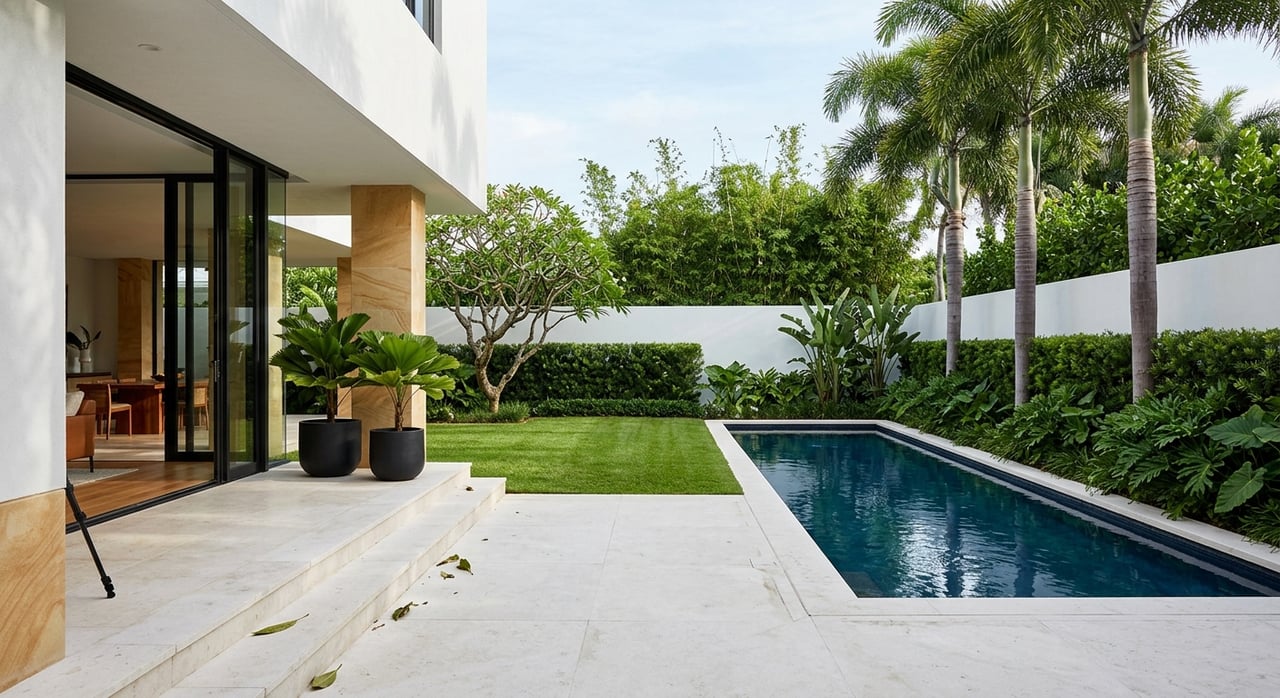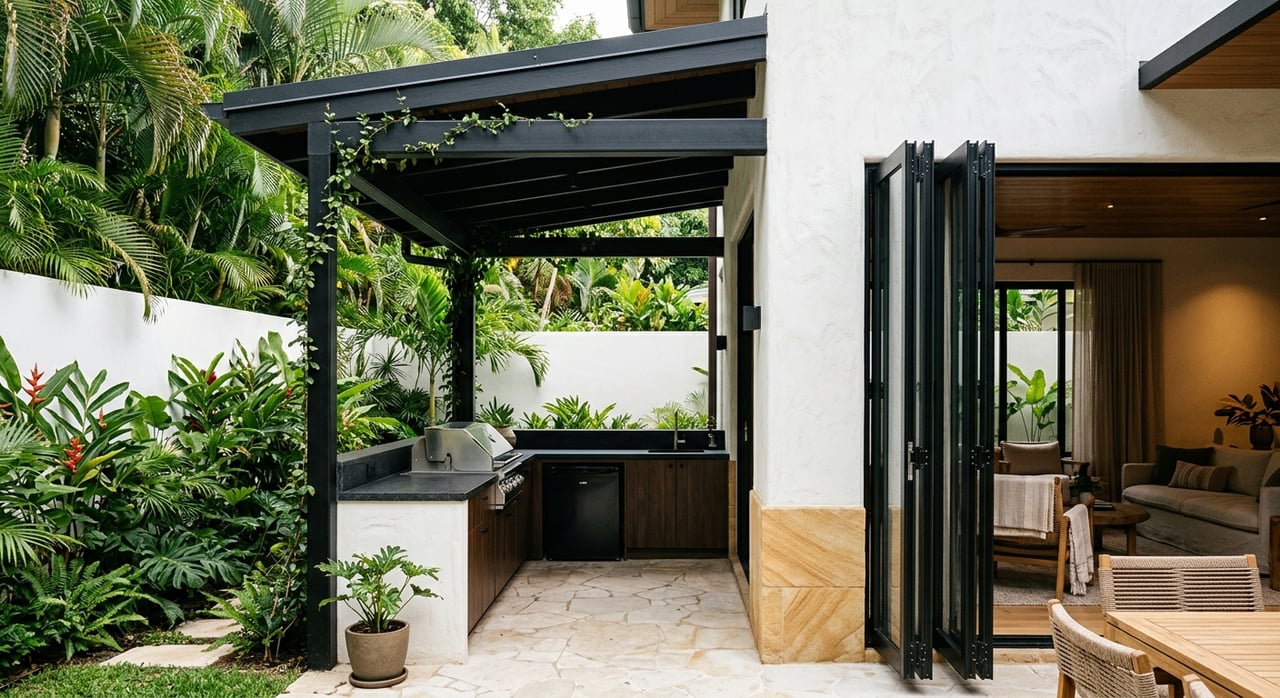
Dreaming of low‑maintenance living near shopping, medical care, and quick access to H‑1? If Aiea is on your radar, you are in the right place. Condos and townhomes here offer space, convenience, and a central Oahu location, but the details around HOAs, rules, and financing can feel complex. In this guide, you’ll learn what you can expect in Aiea buildings, what HOA fees usually cover, how rental and pet rules work, key financing checks, and a practical buyer checklist. Let’s dive in.
Why Aiea works for condo buyers
Aiea sits along Oahu’s central corridor with direct access to H‑1, Moanalua Road, and Kamehameha Highway. You are minutes from Pearl Harbor and a straightforward commute to Honolulu’s core. The neighborhood’s anchor, Pearlridge Center, brings shopping, dining, and services together in one place.
Aiea generally appeals to buyers who want more space than many urban high‑rises and still want proximity to major roads and everyday conveniences. It is often considered a middle‑priced condo market on Oahu, with options that balance value and location. Always confirm current pricing trends before you decide since market numbers shift month to month.
What you will find in Aiea buildings
Garden‑style and townhome clusters
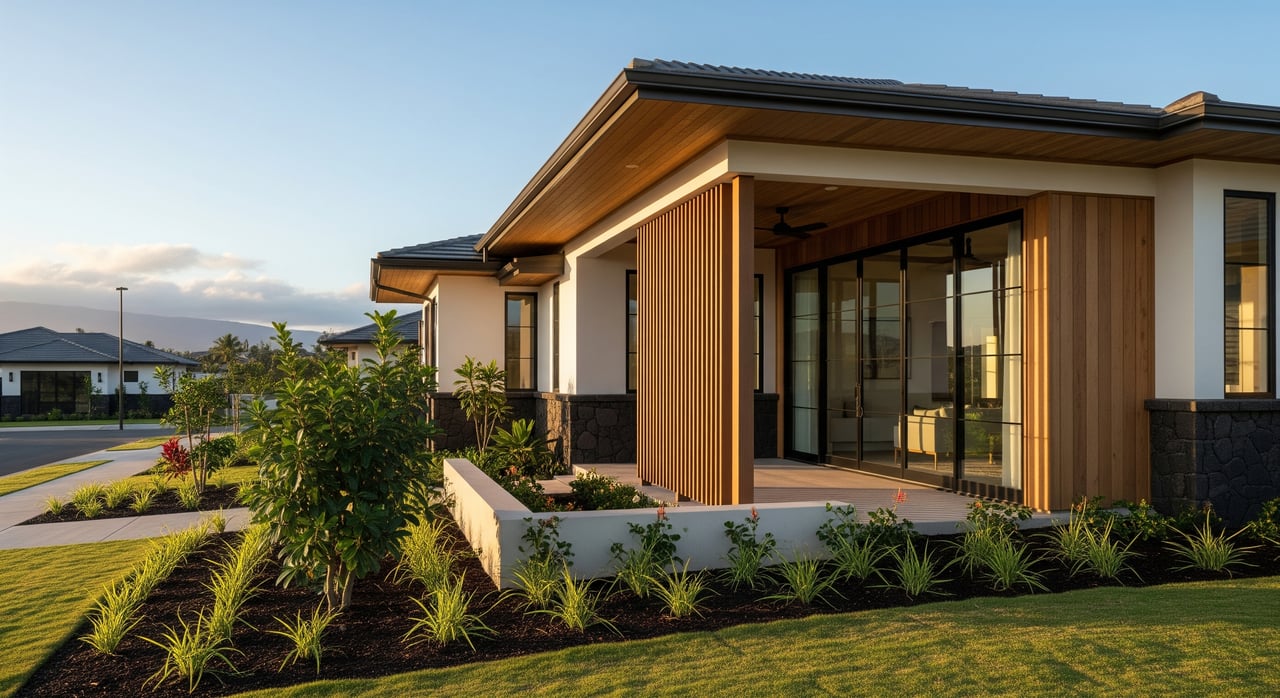
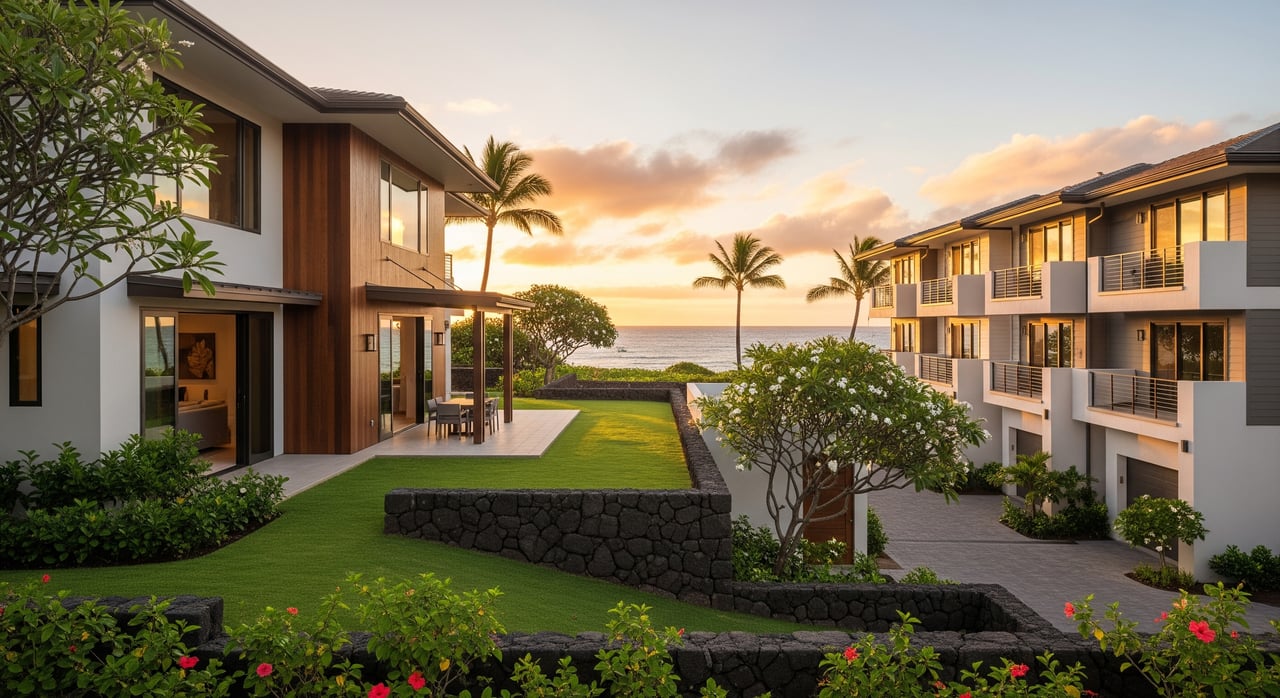
You will see many garden‑style low‑rise condos and townhouse communities. These typically offer 1 to 3 bedrooms, walk‑up access, landscaped grounds, and shared amenities like pools, BBQ areas, and guest parking. Townhomes often have private entries and small yards, with the association handling exterior upkeep.
Mid‑rise and tower options
Aiea has fewer mid‑rise or tower buildings than urban Honolulu, but you will find some elevator‑served projects. Larger facilities can mean more robust reserves and insurance needs at the association level. Review the project’s budget and reserves to understand how future repairs are funded.
Layouts and sizes
Expect a mix of 1 to 3 bedroom floor plans. Many older communities were designed with larger household layouts in mind, so you will find a healthy supply of 2 and 3 bedroom units. Confirm square footage, storage, lanai use, and parking stall count for any unit you consider.
What HOA fees usually cover
Associations in Hawaii typically maintain the common elements: exterior structures and paint, roofs, elevators, landscaping, lighting, pools, and master insurance for common areas. Monthly assessments fund day‑to‑day operations and reserves. For a clear overview of association duties and budgets, see the state’s condominium resources from the Department of Commerce and Consumer Affairs (DCCA).
Reserves and special assessments
Hawaii associations must adopt budgets and establish replacement reserves. If reserves are underfunded, owners can face special assessments or association borrowing. Before you buy, request the current budget, reserve study or reserve funding plan, recent financials, and the history of special assessments. The state’s budgeting and reserve guide explains what must appear in an association budget (DCCA reserve guidance).
Insurance and your HO‑6 policy
Associations maintain a master insurance policy that covers common elements and, depending on the policy, some building components. You will usually need an HO‑6 (unit owner) policy for interior finishes, personal property, loss of use, and liability. Confirm whether the master policy is “all‑in,” the deductible amount, and what is your responsibility as an owner. For background, review the DCCA’s condo owner resources (DCCA condo resources).
Rules that affect your lifestyle and strategy
Rentals and short‑term stays
Honolulu has tightened rules on short‑term rentals. Whole‑unit short‑term rentals are limited to eligible zones and require registration and proof of compliance. Many buildings are not eligible, and some associations set minimum rental periods. If renting is part of your plan, confirm zoning and eligibility, building rules, and any association approvals before you buy. You can review a summary of current requirements and registration steps in this Honolulu short‑term rental overview, and verify with the City’s Department of Planning and Permitting and the AOAO.
Pets, parking, and use restrictions
House rules commonly address pet types and sizes, parking stall use, guest parking, business use from units, signage, and lanai modifications. If pets, parking, or storage are important to you, read the CC&R, bylaws, and house rules closely. The DCCA outlines what documents to request and how to review them (DCCA condo resources).
Litigation and delinquencies
Ask about any pending litigation and the association’s delinquency rates. Ongoing legal disputes, high delinquencies, or frequent special assessments can signal future fee pressure. Budget documents and meeting minutes will help you spot trends and assess risk (DCCA reserve guidance).
Financing and title checks to do early
FHA, VA, and conventional project approval
Many loans require project eligibility. FHA maintains a searchable database of approved condo projects and supports certain single‑unit approvals. Confirm status early with your lender and check HUD’s database so you know your financing options and timeline (HUD condo search).
VA and military considerations
Aiea’s proximity to Joint Base Pearl Harbor–Hickam makes it a strong option for VA buyers who want space and central access. If you encounter an assumable VA loan opportunity, verify the terms with the current servicer and confirm any AOAO requirements. Your lender can also advise you on project eligibility and reserves that may affect underwriting.
Fee simple vs leasehold title
Hawaii has both fee simple and leasehold condos. Leasehold can affect financing, monthly costs, and resale value. Confirm the title type early and discuss implications with your lender and, if needed, a local attorney. The DCCA’s condo resources are a helpful starting point (DCCA condo resources).
Commute and convenience in Aiea
Living in Aiea puts you close to everyday essentials. Pearlridge Center offers shopping, dining, and medical services in one hub. You also have quick access to H‑1 and key surface roads, which can make commuting to Honolulu more predictable than from farther‑flung suburbs. Outdoor options like nearby trails and district parks add balance to your routine.
How Aiea compares on Oahu
Compared with high‑rise areas like Kakaako and Waikiki, Aiea tends to offer more garden‑style condos and townhomes with larger layouts for the price. Island‑level condo medians have often hovered around the $500K range in recent MLS reports, while Aiea frequently trends as a middle‑priced option. For the most current island stats, review the HiCentral MLS monthly report and confirm neighborhood‑level pricing with your agent.
Smart buyer checklist for Aiea condos and townhomes
Before you write an offer, ask for and review the following:
Association rules and finances
- Declaration/CC&Rs, bylaws, and house rules, plus any amendments (DCCA condo resources).
- Current budget, recent financials, and the reserve study or reserve funding plan (DCCA reserve guidance).
- Board meeting minutes from the past 12 to 24 months and any special assessment history.
- Master insurance certificate and details; ask about deductibles and coverage scope.
- Disclosure of any pending litigation or claims.
Unit and title items
- Title report confirming fee simple or leasehold.
- Seller’s disclosure statement and any available comps or prior appraisal.
Usage and rental questions
- Minimum rental period and short‑term rental rules for the building and parcel. If you plan to rent, review Honolulu’s STR requirements and registration steps (Honolulu STR overview).
Financing checks
- FHA/VA/conventional project eligibility; confirm early with your lender and use the HUD condo search as a reference.
On‑site inspections
- Full home inspection including plumbing and electrical.
- Ask when elevators, roofs, and major systems were last repaired or replaced.
- Speak with the on‑site manager, if available, about parking use, noise, and management responsiveness.
Property taxes
- Review Honolulu’s homeowner exemption rules and filing deadlines to reduce your tax burden if you will occupy the unit (Real Property Honolulu).
Your next step
When you are ready, get a tailored property list, confirm project eligibility with your lender, and request the AOAO documents that matter most. If you want a clear, step‑by‑step plan for buying a condo or townhome in Aiea, connect with Amber Parry for local guidance and a strategy that fits your timeline.
FAQs
What do HOA fees usually cover in Aiea condos?
- Typically common‑area maintenance and utilities, building exteriors, roofs and elevators, landscaping, and the association’s master insurance; always confirm specifics in the budget and governing documents.
Are short‑term rentals allowed in most Aiea condo buildings?
- Honolulu restricts whole‑unit short‑term rentals to eligible zones with registration; many buildings are not eligible and many AOAOs set minimum rental periods, so verify zoning, building rules, and AOAO approvals first.
How can I check if a condo qualifies for FHA or VA financing?
- Ask your lender early and search HUD’s database for FHA project status; some loans allow single‑unit approvals depending on the building and lender criteria.
What is the difference between fee simple and leasehold in Hawaii condos?
- Fee simple means you own the unit and land interest; leasehold means you own the unit for the term of a land lease, which can affect financing, costs, and resale; verify title in the report and review with your lender.
What documents should I review before making an offer on a condo?
- CC&Rs, bylaws, house rules, current budget, reserve study or plan, recent financials, board minutes, master insurance certificate, and any litigation disclosures, plus the title report and seller’s disclosures.
How do Honolulu homeowner tax exemptions work for condo owners?
- If you will occupy the unit as your primary residence, review Honolulu’s homeowner exemption rules and filing dates to reduce your annual property taxes and file on time.