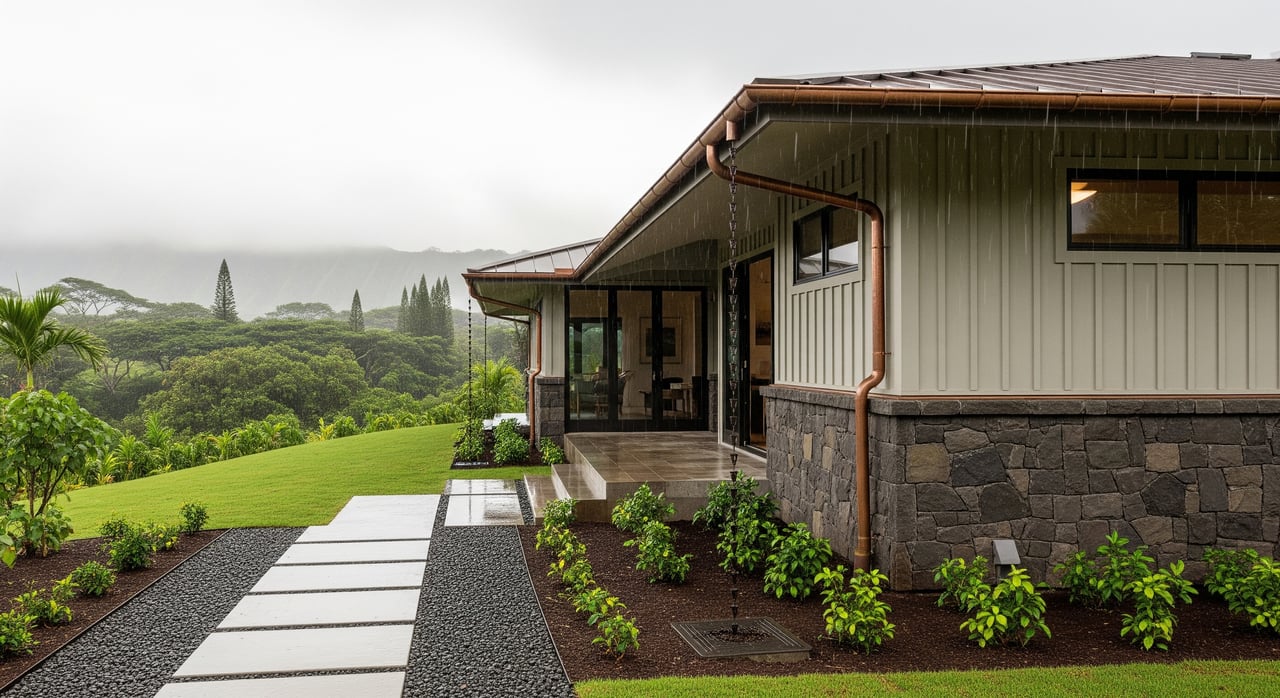
Love the charm of Mānoa’s classic homes but unsure what to expect behind the walls and under the roof? You are not alone. Older properties in this lush valley offer character, views, and location, yet they also come with unique climate and maintenance realities. In this guide, you will learn what makes Mānoa’s homes special, the inspections to prioritize, how local rainfall and slopes affect ownership, and what to plan for if you renovate. Let’s dive in.
Why Mānoa’s older homes appeal
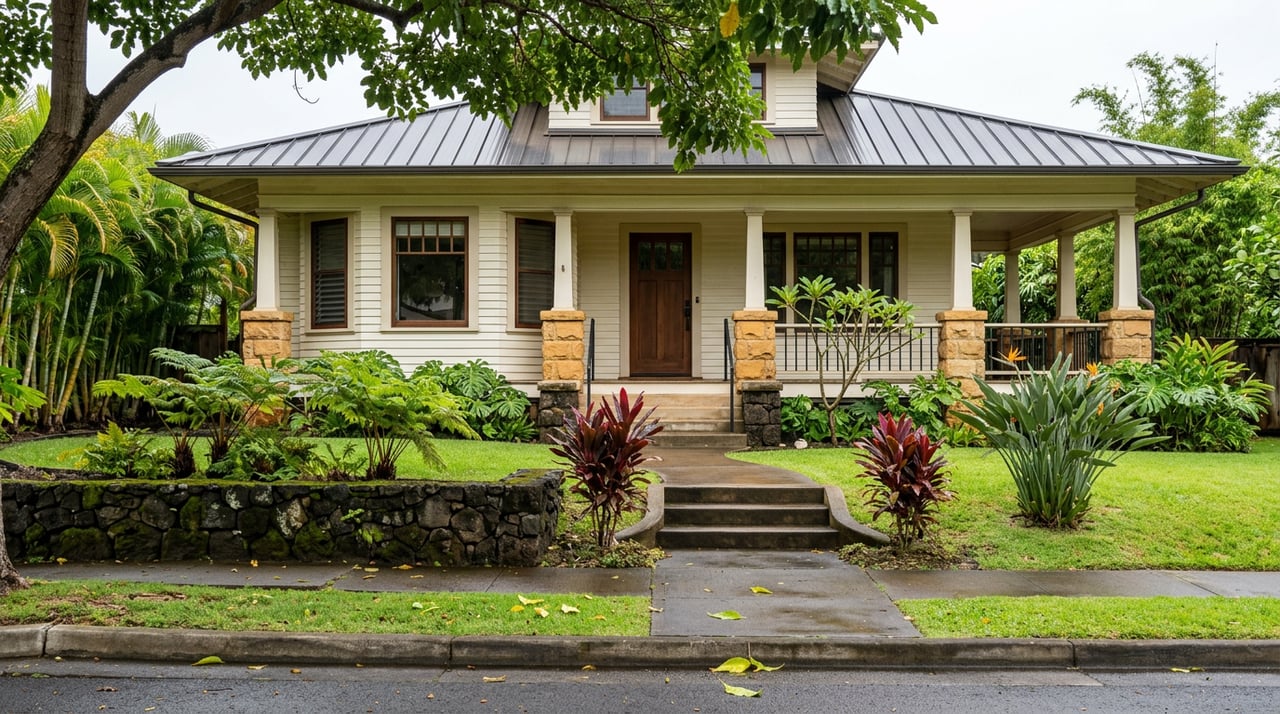
Mānoa is a storied valley centered around the University of Hawaiʻi at Mānoa and Lyon Arboretum. It includes one of Oʻahu’s strongest concentrations of older, often architect‑designed homes, with small historic clusters and distinctive streetscapes. You will see Craftsman and plantation‑era bungalows, Tudor and other revival styles, and details like Dickey roofs and generous lanais that define the neighborhood’s character. Learn more about Mānoa’s historic residences from the Historic Hawaiʻi Foundation’s overview of notable homes and styles (source).
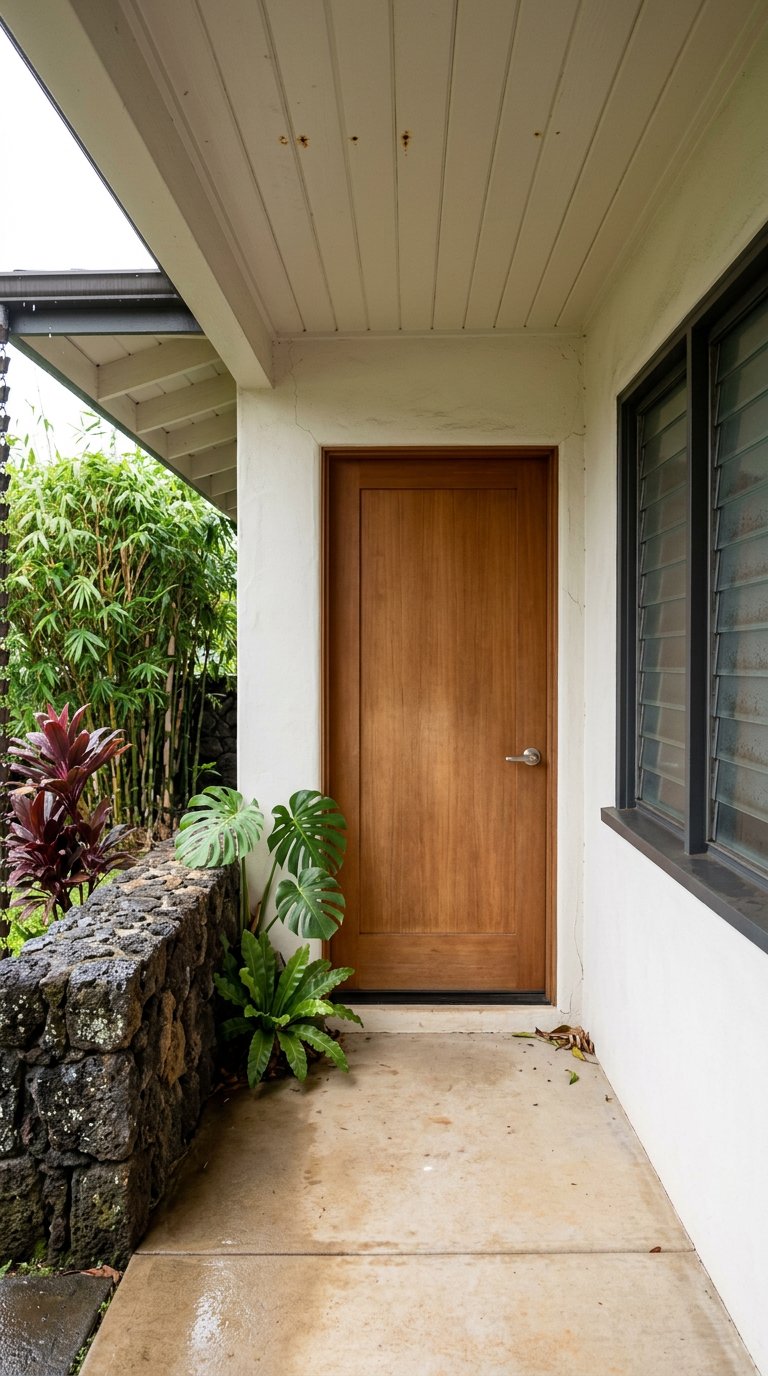
Many of these homes use wood framing with plank or timber floors, plaster or wood‑clad walls, and concrete block or stone foundations. Roofs may range from older tile or shakes to asphalt shingles. The result is timeless appeal, yet age‑related updates are common needs. Expect to evaluate wiring, plumbing, and finishes carefully during your due diligence.
Climate realities in a lush valley
Mānoa’s beauty comes with one of Oʻahu’s wettest populated microclimates. Mean annual rainfall measured near Lyon Arboretum is cited at around 153 inches per year, far higher than in coastal Honolulu. This constant moisture loads roofs, walls, and landscaping year‑round, which is why drainage and roofing care sit at the top of any inspection plan (State of Hawaiʻi Data Book).
Flood and drainage awareness
The valley’s streams and drainage channels can swell quickly during heavy rain. When you evaluate a property, check the lot’s FEMA flood designation and ask the seller about any past water intrusion or drainage repairs. You can look up a parcel’s flood zone at FEMA’s Flood Map Service Center and use it to discuss insurance and mitigation with your lender and insurer (FEMA Flood Maps).
Slopes, retaining walls, and stability
Many Mānoa lots are on hillsides or terraced yards. Oʻahu’s valleys, including the Mānoa–Pālolo corridor, have documented slow‑moving slides and debris‑flow activity during intense rainfall. If the property sits on or near a slope, expect to review retaining walls, look for signs of movement, and consider a geotechnical consultation before major grading or additions (USGS landslide research).
What inspectors look for first
A general home inspection is your starting point. In Mānoa’s climate, the following areas deserve extra attention because moisture is often the root cause of larger problems.
- Roof and drainage: Inspect for aged coverings, moss or algae, failed flashing, and blocked gutters or valleys. If the roof shows visible wear or staining, add a licensed roofer’s evaluation.
- Site grading and water flow: Confirm that downspouts extend away from the foundation and that grades direct water downhill, not toward the house. Look for ponding, settled areas, or debris lines that suggest past overland flow. City stormwater guidelines emphasize keeping runoff controlled during and after projects.
- Foundation, piers, and retaining structures: Check for cracks, differential settlement, and evidence of lateral movement. Retaining walls should have functioning drains. For hillside sites, inspectors often recommend soils or structural specialists if there are red flags.
Termites and wood decay
Hawaiʻi has multiple termite species, including the highly destructive Formosan subterranean termite. Year‑round pressure makes prevention and repairs a normal part of older‑home ownership. Order a separate, licensed wood‑destroying‑organism (WDI) inspection in addition to your general inspection. Many general home inspectors do not provide WDI reports or treatments, so book a qualified WDI contractor to assess species, damage, and treatment options (CTAHR Termite Project).
Moisture, mold, and indoor air
In a humid valley, poorly ventilated rooms, roof or plumbing leaks, and prior floods can lead to visible mold and fungal decay. Prevention focuses on controlling moisture with sound roofing and flashing, clean gutters, balanced grading, ventilated attics, and conditioned interior air. If you have health concerns or suspect hidden contamination, bring in a qualified indoor‑air or mold professional for testing and a remediation plan (Indoor Air Quality Science).
Plumbing, sewer lateral, and electrical
Older homes can include outdated piping and electrical components that vary with the property’s age and prior upgrades. A general inspector may recommend specialist follow‑ups. For plumbing, a sewer lateral camera scope is a common add‑on for older properties. For electrical, an electrician can assess service capacity and wiring type. These specialty reviews are typically outside the standard home inspection scope (ASHI on specialized services).
Pre‑1978 environmental hazards
If the home predates 1978, federal lead‑based paint disclosure rules apply. If you plan to renovate or disturb painted surfaces, the EPA’s Renovation, Repair and Painting (RRP) rule requires lead‑safe practices by certified contractors. Some older materials can also contain asbestos. Testing by qualified professionals before disturbance is the safest path (EPA lead‑safe guidance).
When to add specialty tests
Use this simple sequence to cover the bases and bring in experts as needed:
- General home inspection by a licensed inspector experienced with older Hawaiʻi homes (ASHI overview).
- Separate WDI/termite inspection and treatment recommendations from a licensed pest control company (CTAHR termite guidance).
- Roofing and structural specialist if you see sagging, staining, cracked rafters, or foundation settlement.
- Sewer lateral camera and plumbing evaluation for older homes or any sign of drainage backups (ASHI on scopes).
- Geotechnical or civil engineer before major grading, retaining wall replacement, or additions on sloped sites (Honolulu DPP grading procedures).
- Lead and asbestos testing for pre‑1978 properties, and hire an RRP‑certified contractor if renovation will disturb painted surfaces (EPA RRP).
Permits and planning for renovations
If you plan yard regrading, new retaining walls, or structural expansions, expect to work with the City and County of Honolulu’s Department of Planning and Permitting (DPP). Grading permits are typically required for work that changes drainage affecting neighbors, exceeds 50 cubic yards, or includes 3 feet or more of cut or fill. Projects on slopes steeper than 15 percent or larger earthwork can trigger soils and engineering reports, detailed plans, and longer review timelines (DPP grading permit procedures).
Retaining walls and large landscape regrades often require structural drawings and geotechnical input. Plan ahead by building permit time into your schedule. For mature trees, check City rules before removal or major pruning. Some trees may be protected under the Exceptional Tree program, which may require qualified arborist input and approvals (Exceptional Tree program).
Smart maintenance and realistic budgeting
Owning an older Mānoa home is about staying ahead of moisture and wood pests while preserving character. Focus your maintenance plan on a few key areas:
- Roof and gutters: Inspect and clean regularly. Keep valleys and gutters clear, check flashing, and address moss or algae. High rainfall makes proactive roof care essential (State Data Book rainfall).
- Site drainage and erosion control: Maintain downspouts, splash blocks, and surface swales. Make sure overland flow paths remain open so water does not concentrate near the foundation. Follow City guidance when you alter grading so runoff stays controlled.
- Termite prevention and monitoring: Schedule annual WDI inspections. Keep wood off grade, avoid soil or mulch against siding, and maintain termite barriers where present (CTAHR termites).
- Vegetation and trees: Prune to reduce leaf buildup in gutters and limit root pressure on walls. Confirm City requirements before significant tree work (Exceptional Tree program).
- Indoor moisture control: Use bath and kitchen exhaust fans, dehumidify chronically damp rooms, and remediate promptly after any leak. For significant or hidden mold, hire a licensed IAQ or mold professional (IAQ Science FAQ).
When you plan updates, think in terms of contingencies rather than single estimates. Prioritize roof, drainage, termite, and site‑stability work first. Get at least two local quotes for any renovation. For hillside or larger grading projects, assume you will need engineering reports and a multi‑month DPP permit process to convert scope into accurate dollars (DPP grading guidance).
Quick buyer checklist
- Ask the seller for maintenance history, roof age and any roofer invoices, prior WDI/termite reports, records of slope or retaining wall repairs, and any drainage or flood repair documentation.
- Order at minimum: a licensed general home inspection, a separate WDI/termite inspection, a sewer lateral camera scope for older homes, and a roofer’s evaluation. For sloped or stream‑adjacent lots, add geotechnical and structural reviews up front (ASHI scope).
- Confirm permitting and environmental rules before planning renovations. Review DPP thresholds for grading and retaining walls, and follow EPA RRP and lead disclosure requirements for pre‑1978 properties (DPP grading, EPA lead‑safe).
Make a confident move in Mānoa
Older homes in Mānoa can be an incredible long‑term fit if you pair their architectural charm with smart due diligence. With the right inspections, a realistic maintenance plan, and clear permit strategy, you can protect your investment while honoring what makes the valley special. If you are ready to explore older homes in Mānoa or want a second opinion on a property’s inspection list, schedule a conversation with Amber Parry. Amber’s local insight and calm, step‑by‑step approach will help you move forward with clarity.
FAQs
What should I inspect first when buying an older Mānoa home?
- Start with a licensed general home inspection, then add a separate WDI/termite inspection, a roofer’s evaluation, and a sewer lateral camera scope for older plumbing.
How does Mānoa’s rainfall affect maintenance plans?
- High annual rainfall near Lyon Arboretum means you should prioritize roof and gutter care, controlled site drainage, and indoor moisture management to reduce mold and decay.
Do I need flood insurance for a Mānoa property?
- It depends on your specific parcel’s FEMA flood zone and your lender’s requirements, so check the FEMA Flood Map Service Center and speak with your insurer and lender.
When do I need permits for grading or a retaining wall in Honolulu?
- Work that changes drainage, exceeds typical thresholds like 50 cubic yards of earthwork or 3 feet of cut or fill, or occurs on steeper slopes often requires DPP review and plans.
What termite risks should I expect in Hawaiʻi?
- Hawaiʻi has multiple species, including Formosan subterranean termites, so plan on a licensed WDI inspection, ongoing monitoring, and timely repairs as part of routine ownership.
What should I know about lead paint or asbestos in older homes?
- For pre‑1978 homes, federal lead disclosure applies and the EPA’s RRP rule requires certified lead‑safe work for renovations, with testing recommended before disturbing materials.