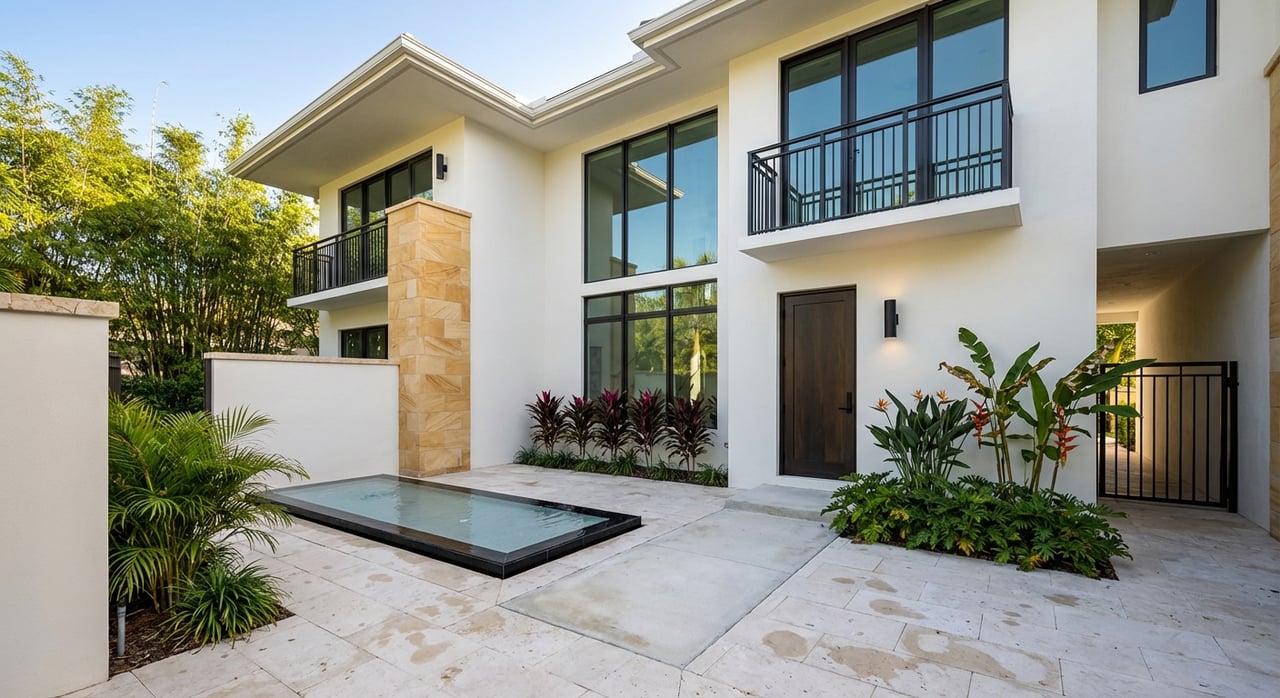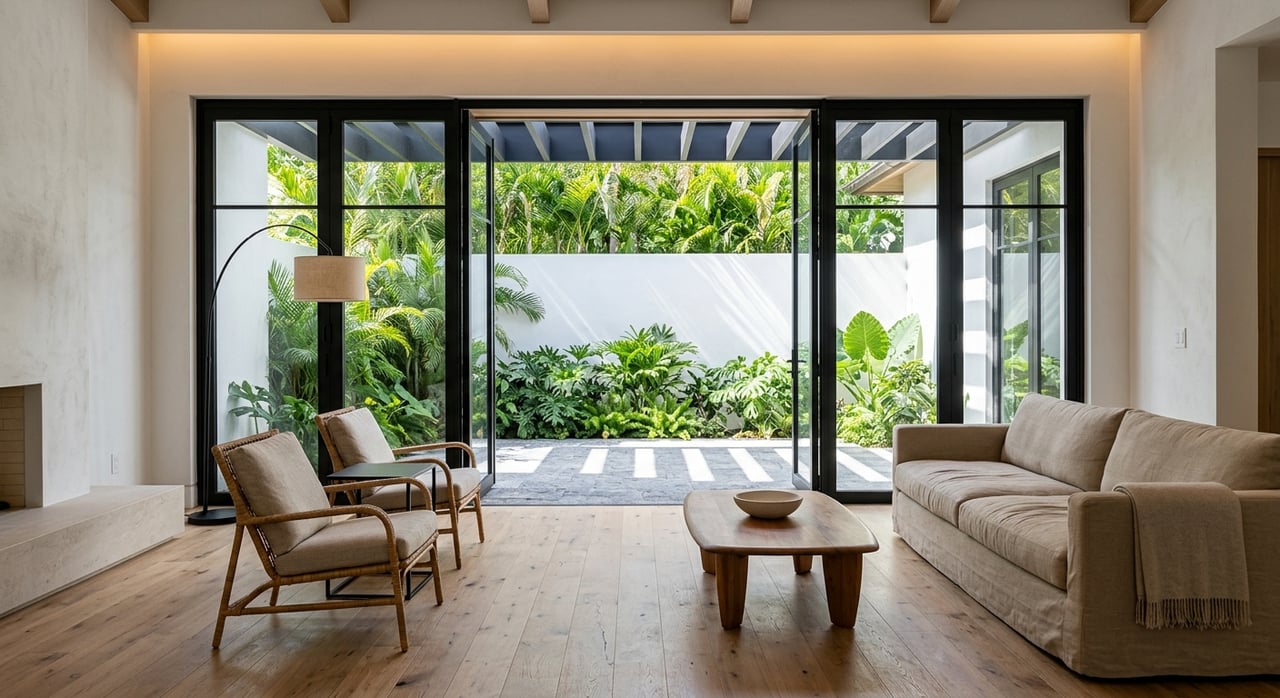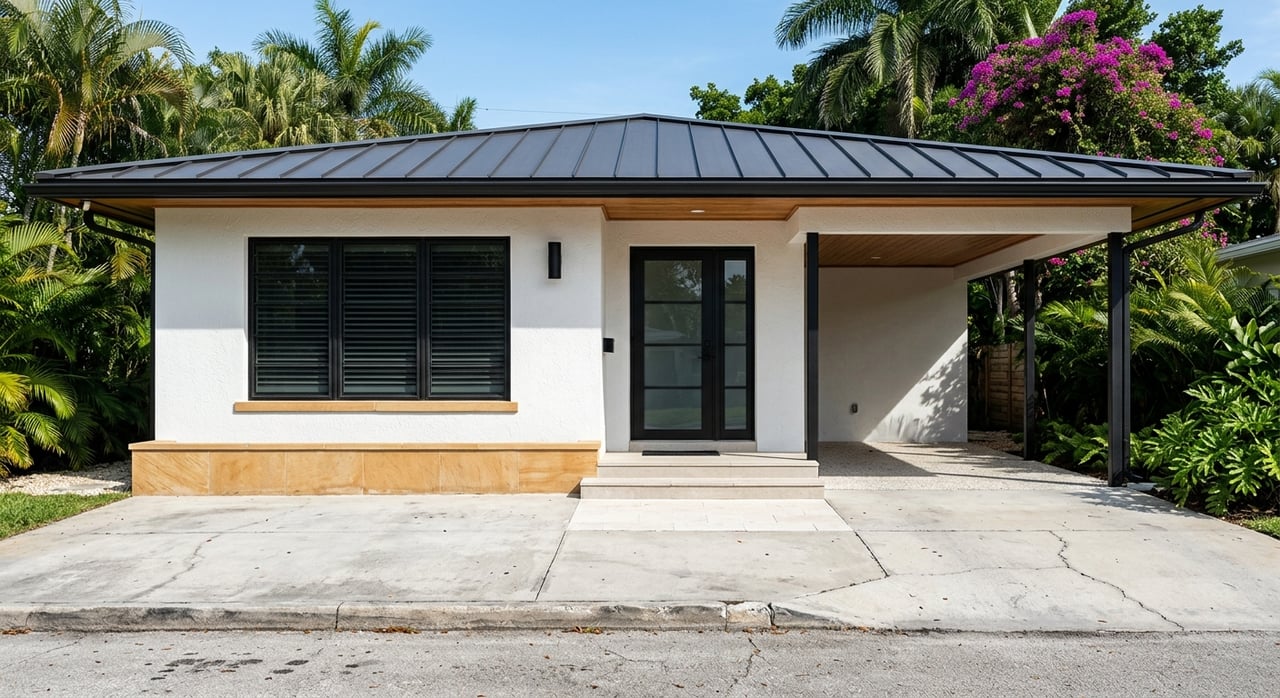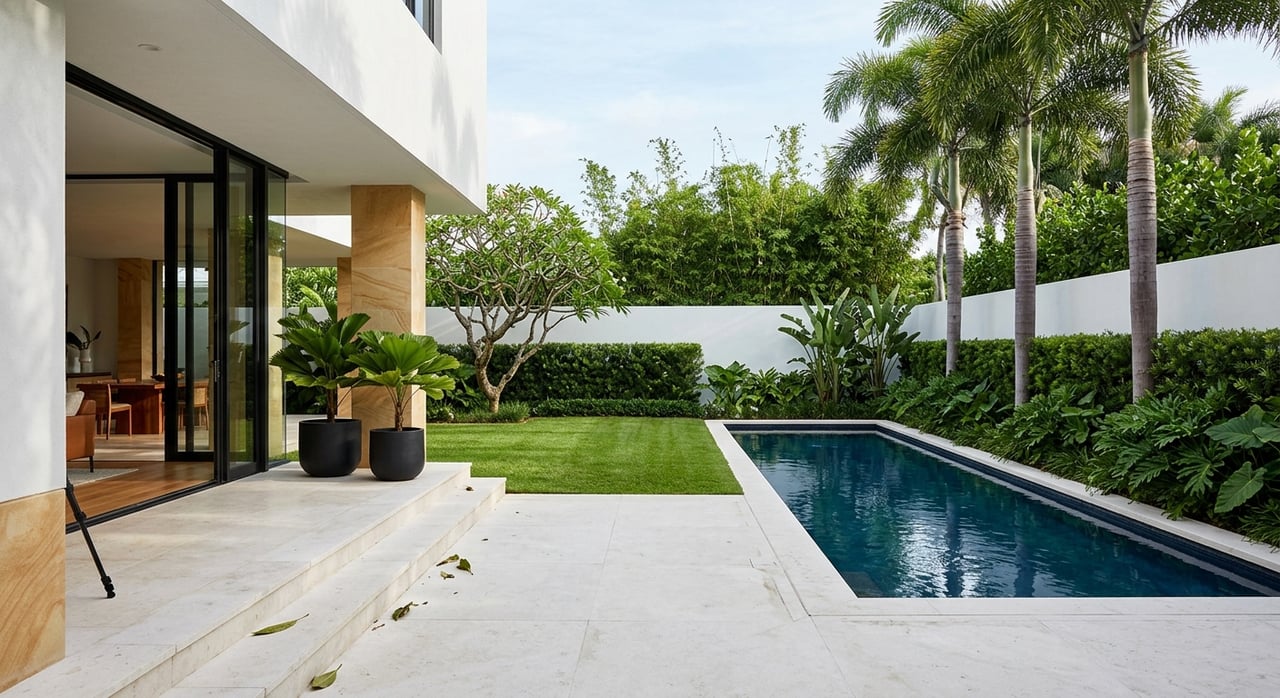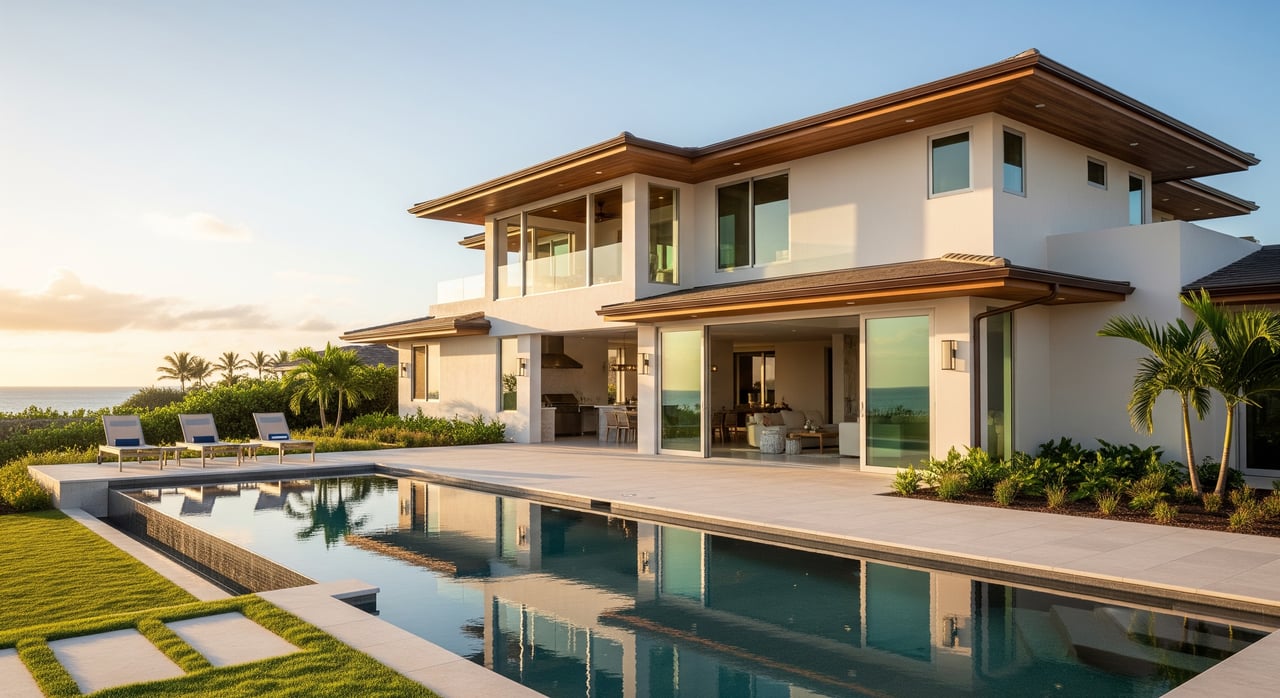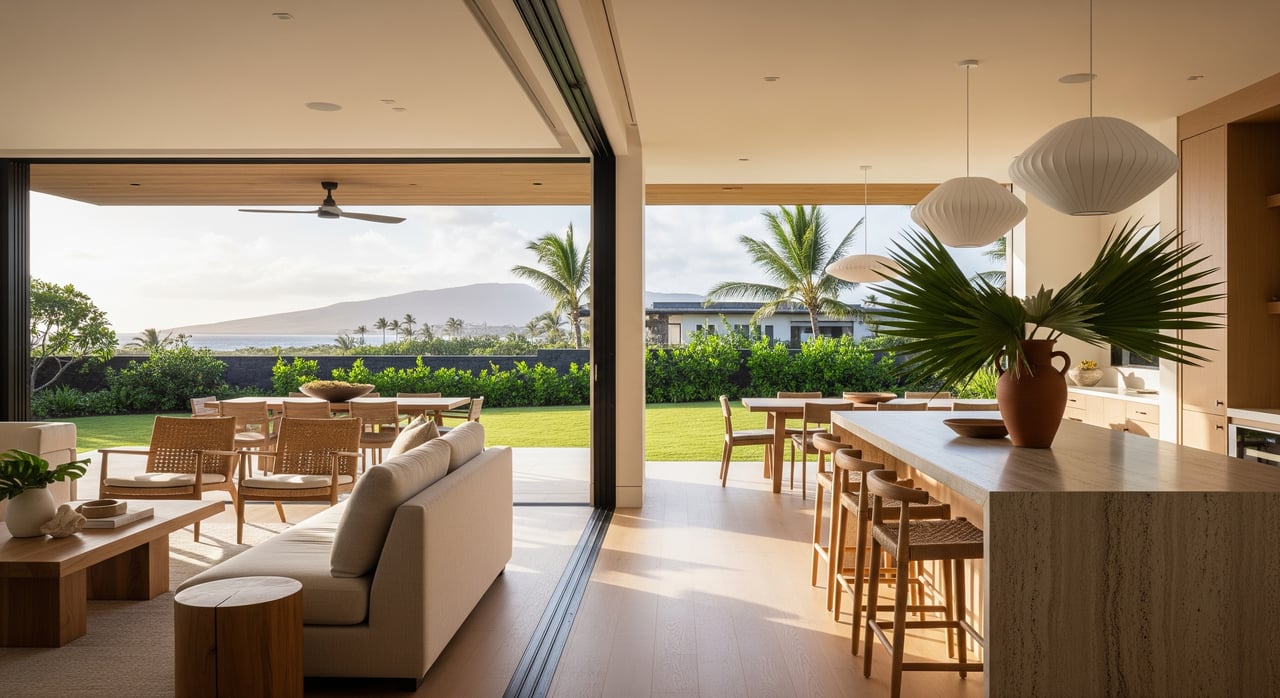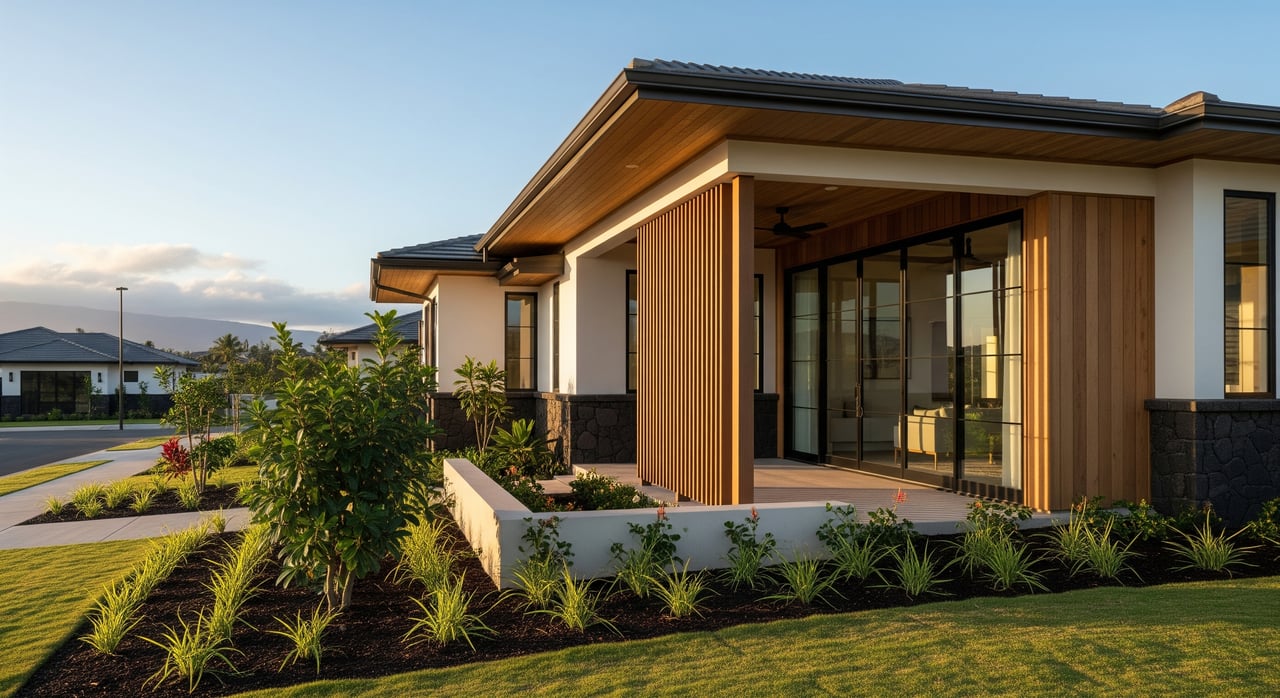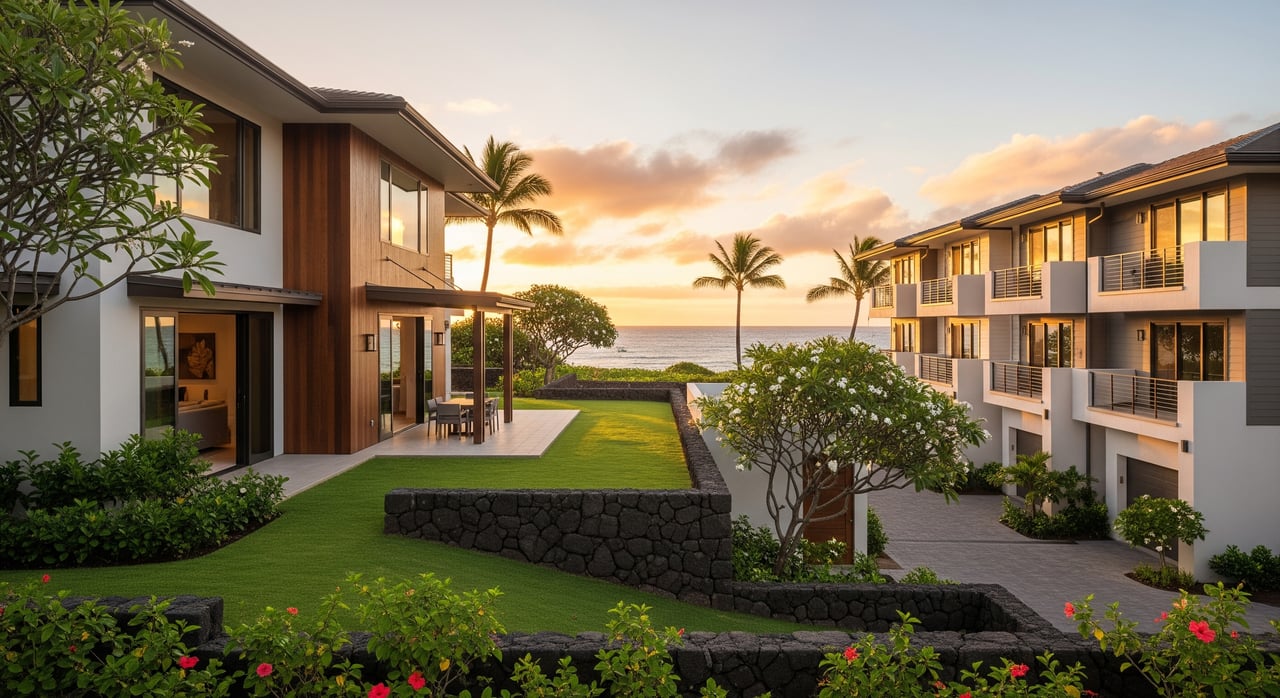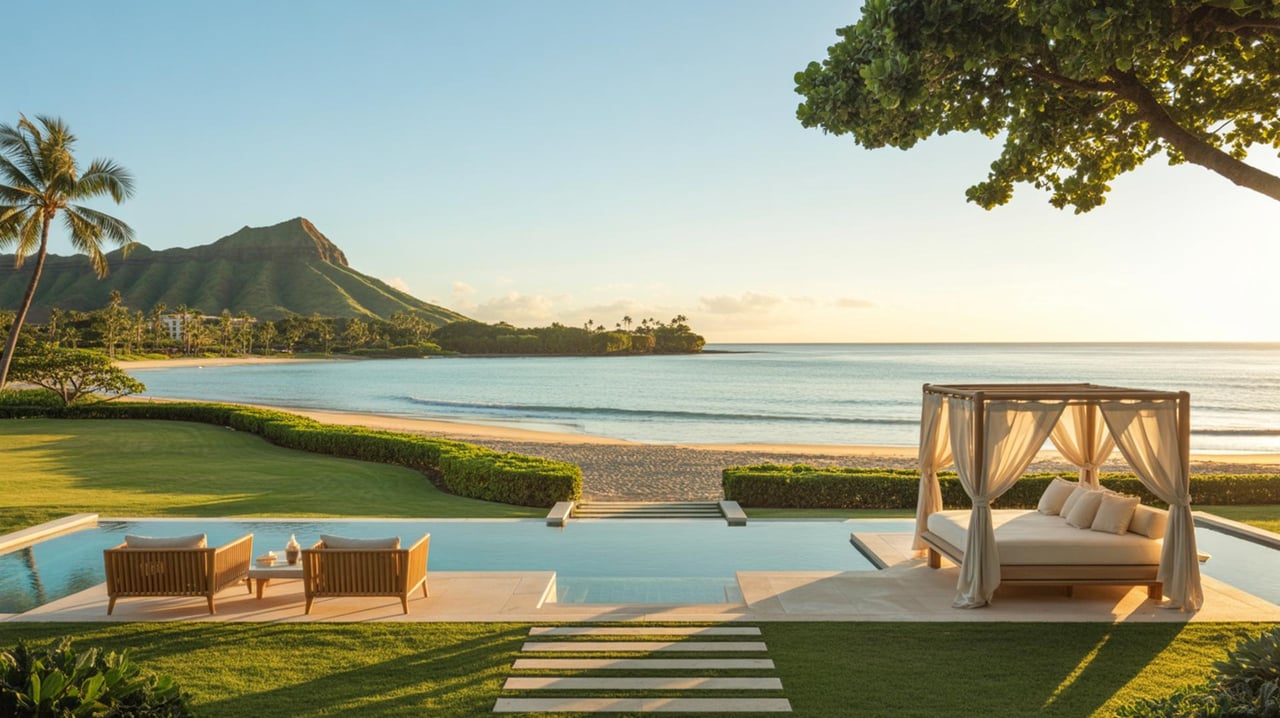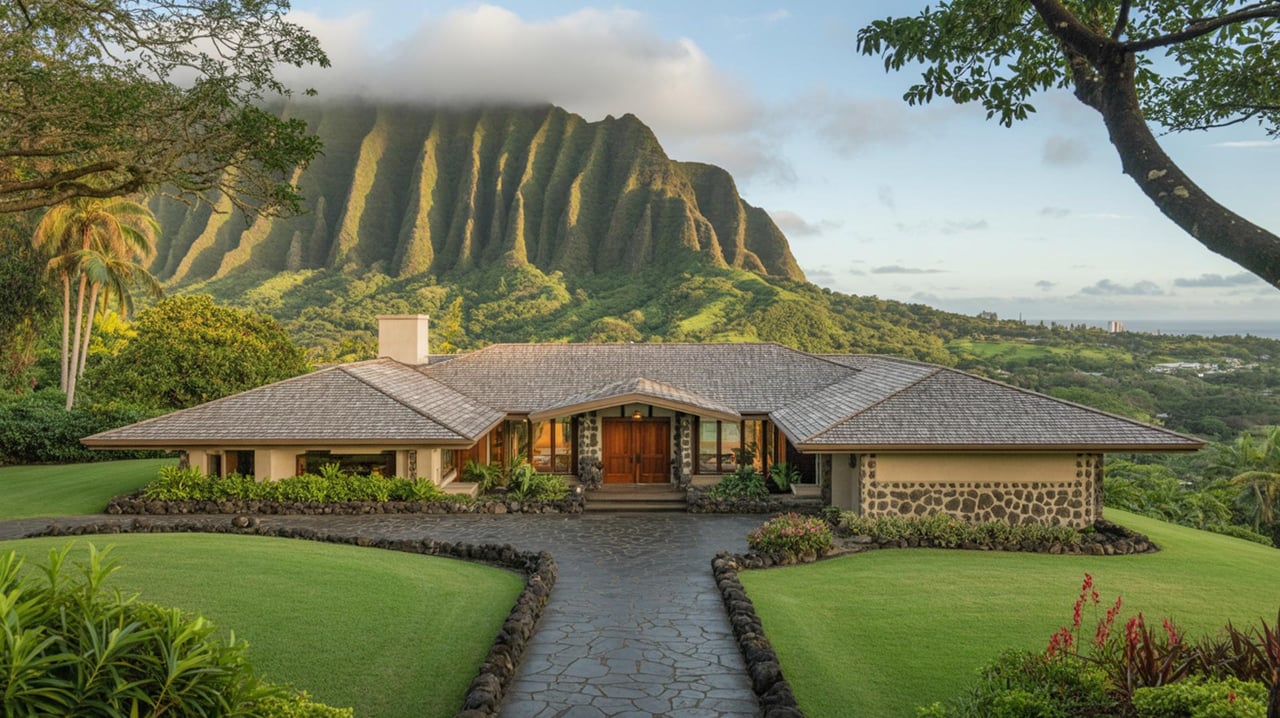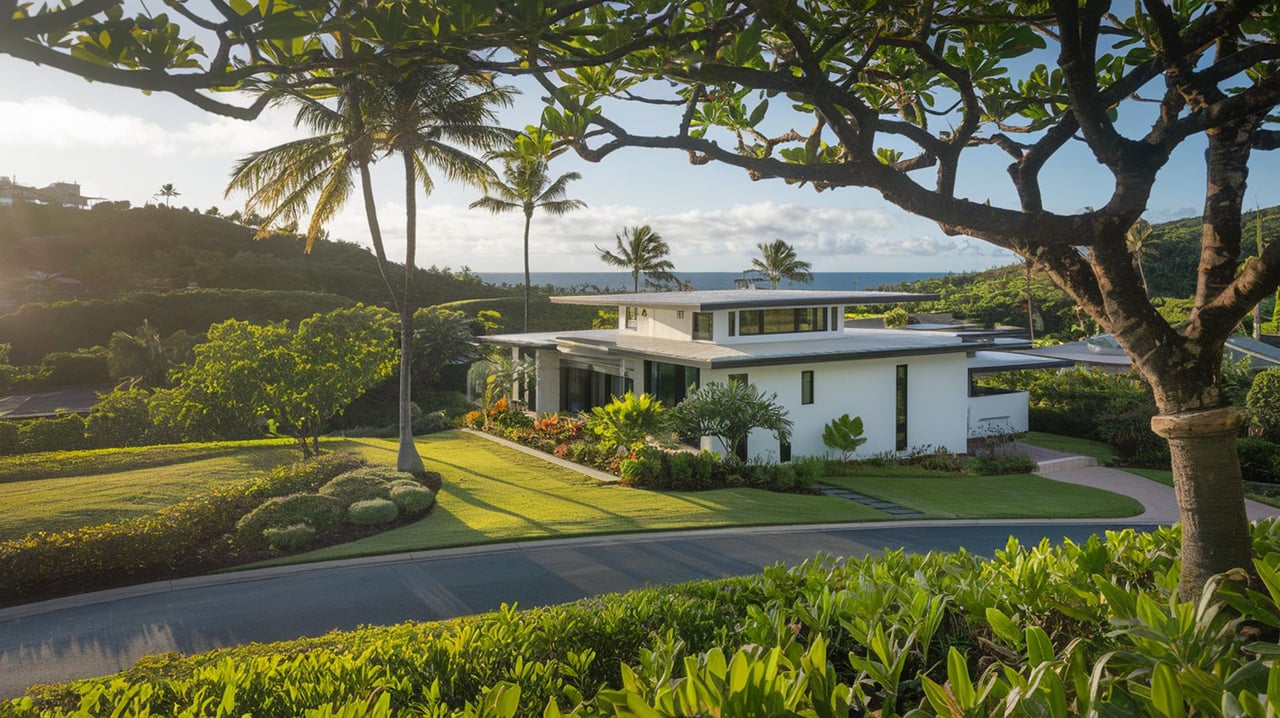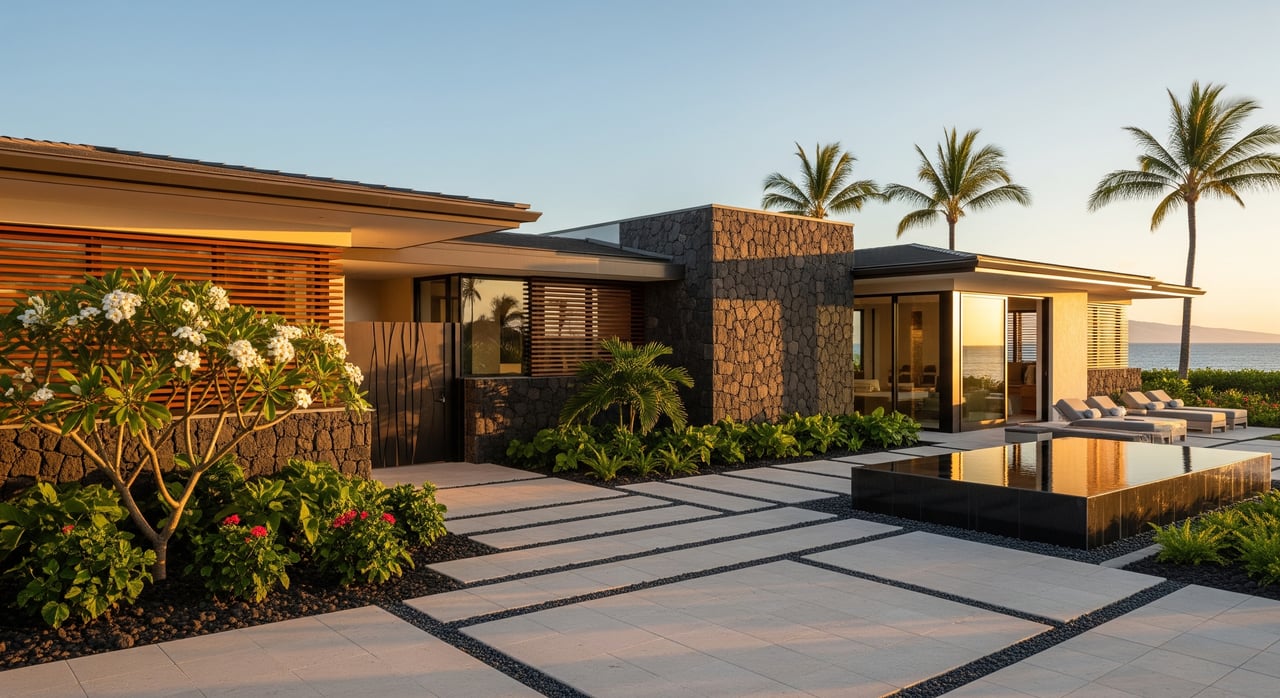
Thinking about repainting, adding solar, or building a lanai in Ewa Beach? In Ocean Pointe, Hoakalei, and Ewa by Gentry, attractive streetscapes come with clear rules and a defined approval process. If you know what to expect, you can upgrade your home without headaches or delays. This guide breaks down who sets the rules, what typically needs approval, and how to plan your project timeline. Let’s dive in.
The big picture: Three master-planned areas
Ocean Pointe, Hoakalei, and the many Ewa by Gentry pods are master-planned neighborhoods with layered design control. You will see a master association, sub-associations, and recorded CC&Rs that guide what is allowed on visible exteriors.
Local planning also shapes HOA standards. The City and County of Honolulu’s Ewa Development Plan and Ocean Pointe–Hoakalei Urban Design Plan emphasize waterfront design, environmental compatibility, and landscaping goals, which influence community guidelines you see on the ground. You can review this context in the city’s published Ewa Development Plan and Ocean Pointe–Hoakalei Urban Design Plan.
Who sets and enforces the rules
Design control is usually structured in layers that work together:
- Developer or declarant documents. Recorded CC&Rs and plats create the rules and the Architectural Review Committee (ARC).
- Master association. Sets master standards and reviews anything that affects common areas or visible streetscapes.
- Sub-association or neighborhood HOA. Handles lot-level items like paint, fences, sheds, and front-yard landscaping.
- Management company. Administers applications, forms, and communication.
A helpful example is Hoakalei’s Kipuka neighborhood. ARC submissions are handled by the Hoakalei Resort Community Association at the master level, which shows how master associations often run the review process for pod-level changes. See the Hoakalei Kipuka ARC guidance for a real-world look at how this works.
Hawaii law also shapes how associations operate and enforce rules. Planned community associations follow HRS Chapter 421J procedures for notices, records, and enforcement.
Common design rules you will see
Exterior paint and materials
Many pods require pre-approval for any exterior color change. You will likely submit paint chips, photos, and a site sketch with your ARC form.
Fences, walls, and gates
Rules typically set height, materials, and where a fence can go. Fences visible from the street often have stricter design standards.
Lanais, enclosures, and pools
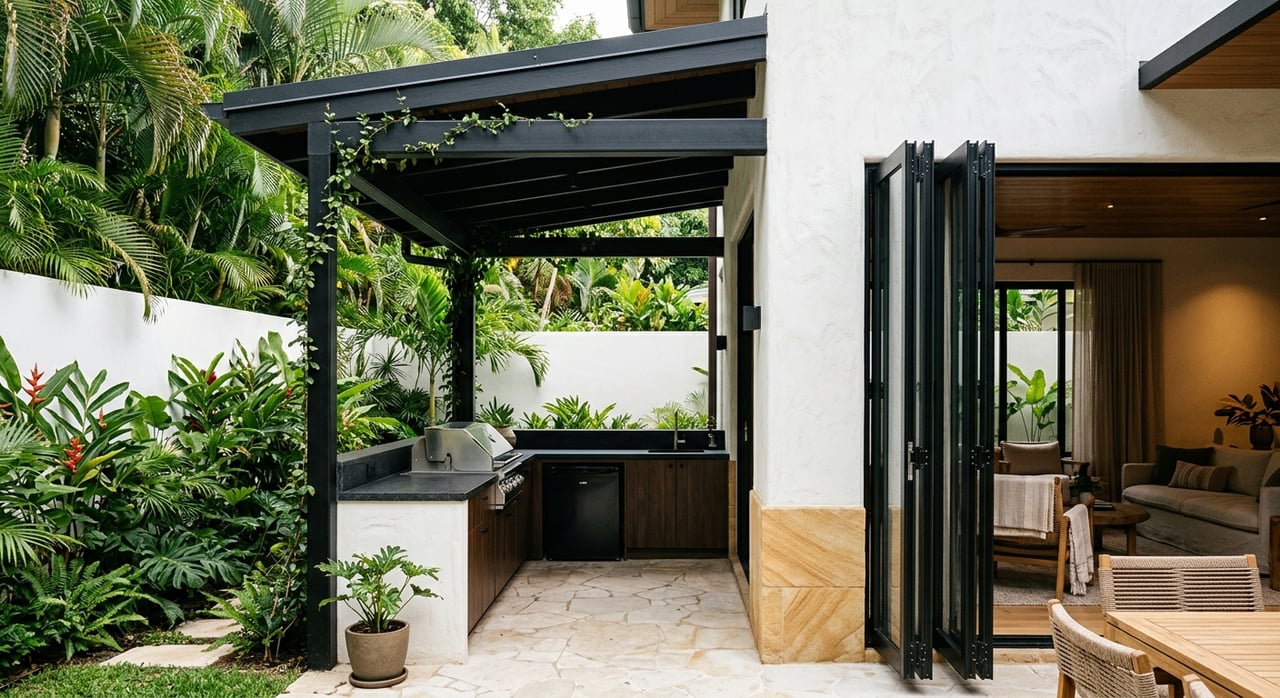
Screening or enclosing a lanai usually needs ARC approval and may require county permits. New pools commonly require both ARC approval and City and County of Honolulu permits.
Roofing and solar
Roof materials and colors are often controlled. Hawaii statute protects your right to place rooftop solar and clotheslines, and HOAs may only adopt reasonable placement rules that do not reduce efficiency or add significant cost. Review the protections in HRS Chapter 196 before planning your system.
Landscaping and xeriscape
Expect front-yard maintenance standards and rules on trees, setbacks, and rock or gravel use. City planning guidance favors native and drought-tolerant landscapes, which informs many HOA landscaping rules. See the city’s Ewa/Ocean Pointe–Hoakalei design guidance for context.
Satellite dishes and equipment
Small satellite dishes and AC or pool equipment are usually allowed with screening or location standards. Larger antennas often need ARC review.
Driveways, parking, and vehicles
Street parking limits, rules for RVs or commercial vehicles, and driveway material standards are common in these neighborhoods.
Accessory structures and play equipment
Sheds, pergolas, and play sets usually require an ARC submittal with a site plan and materials. Small, temporary items may be treated differently by pod.
Rentals and use restrictions
Short-term rental limits may appear at the sub-association level. Always verify the pod’s current rental policy before you buy.
Enforcement and fines
Boards enforce rules through notices and fines, with remedies defined in the CC&Rs and statute. Procedures, notice, and other mechanics follow HRS Chapter 421J.
How approvals work in Ewa Beach HOAs
ARC submission basics
Plan to submit a complete ARC package that includes the form, a site plan or survey, product data or samples, contractor information, and any fee. Many ARCs aim to respond within about 30 days of a complete submission, though timelines vary by community. See a typical example timeline in this ARC FAQ reference.
County permits and interconnection
HOA approval is not a permit. Structural changes, pools, significant lanai work, ground-mounted solar, and most electrical work require City and County of Honolulu permits. PV installers also coordinate HECO interconnection. Permit timelines can be unpredictable due to the DPP backlog, which local reporting has highlighted in recent years. Read more about delays in this AP News report on DPP backlogs.
Fees, reserves, and disclosures
ARC review fees are common and vary by association. If you are buying a condominium or townhouse governed by the Condominium Property Act, recent law changes require reserve studies and specific budget disclosures, with studies reviewed and updated every three years. See a summary of those updates in this reserve study guidance.
Buyer checklist for Ocean Pointe, Hoakalei, and Ewa by Gentry
Use this quick checklist to verify the rules that apply to your specific lot or unit:
- Request the recorded CC&Rs, plat map, bylaws, ARC or Design Guidelines, amendments, and rules and regulations.
- Confirm who reviews your ARC request. Some pods route through a master association, as shown in the Hoakalei Kipuka ARC process.
- Ask for written solar and clothesline rules. Hawaii protects rooftop solar and clotheslines under HRS Chapter 196.
- Verify whether you will need county permits and factor DPP timing into your project schedule.
- Review the current budget, reserve study, recent meeting minutes, and any pending special assessments.
- Confirm rental policies and any neighborhood-specific parking or landscaping standards.
Planning a project or shopping in these Ewa Beach communities is easier when you know the rules. If you want help matching your plans to the right neighborhood or navigating ARC approvals and permit timing, connect with Amber Parry for local guidance tailored to your goals.
FAQs
ARC approvals in Ewa Beach: How long do they take?
- Many ARCs target about 30 days after a complete submission, but timelines vary by pod and governing documents, so confirm with the management company before you start.
Solar in Ocean Pointe, Hoakalei, and Ewa by Gentry: Can the HOA say no?
- HOAs cannot impose rules that effectively prohibit rooftop solar because state law protects placement and efficiency, but you still need to follow reasonable placement and submit a complete ARC package.
Permits for lanais and pools: Do you need them?
- Yes, structural changes, major enclosures, pools, and most electrical work require City and County permits, and PV systems need HECO interconnection in addition to HOA approval.
Paint and fences: Do you need approval to change them?
- Usually yes for visible exterior changes like paint and fences, and you should expect to provide color samples, site plans, and material details with your ARC form.
Documents to review before buying in these neighborhoods
- Ask for CC&Rs, ARC or Design Guidelines, recent minutes, current budget and reserve study, amendments, and any rental policy so you understand costs, standards, and timelines before closing.