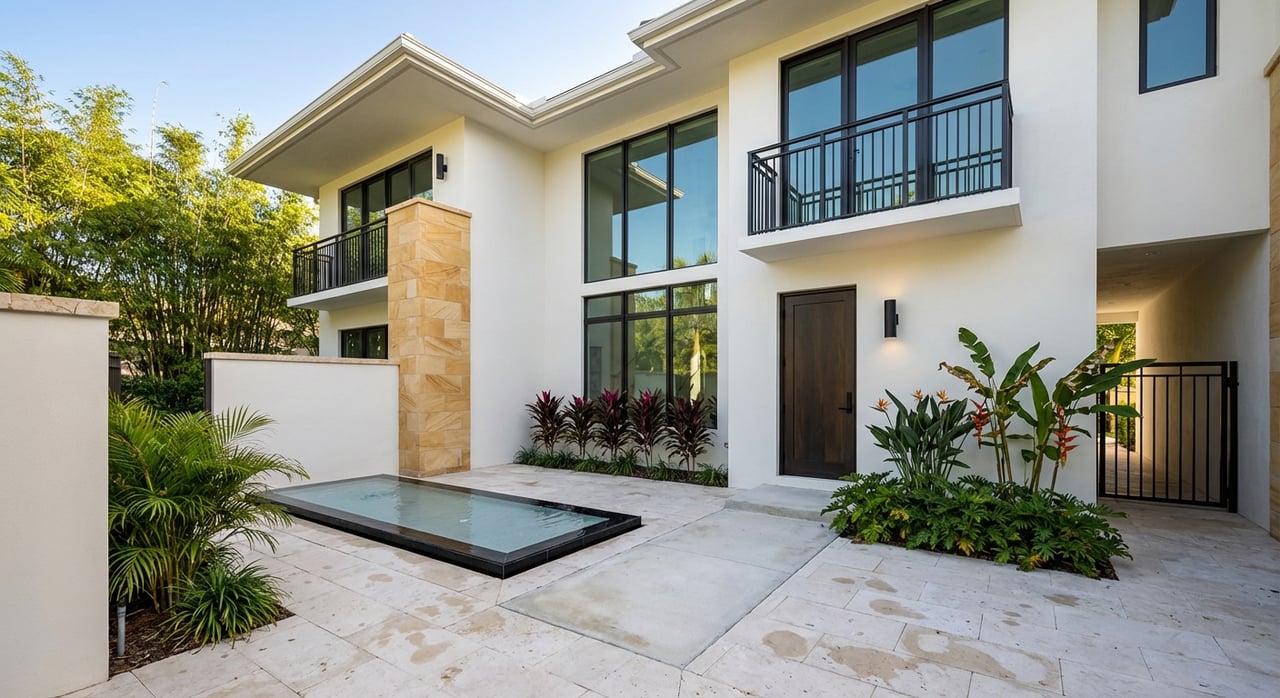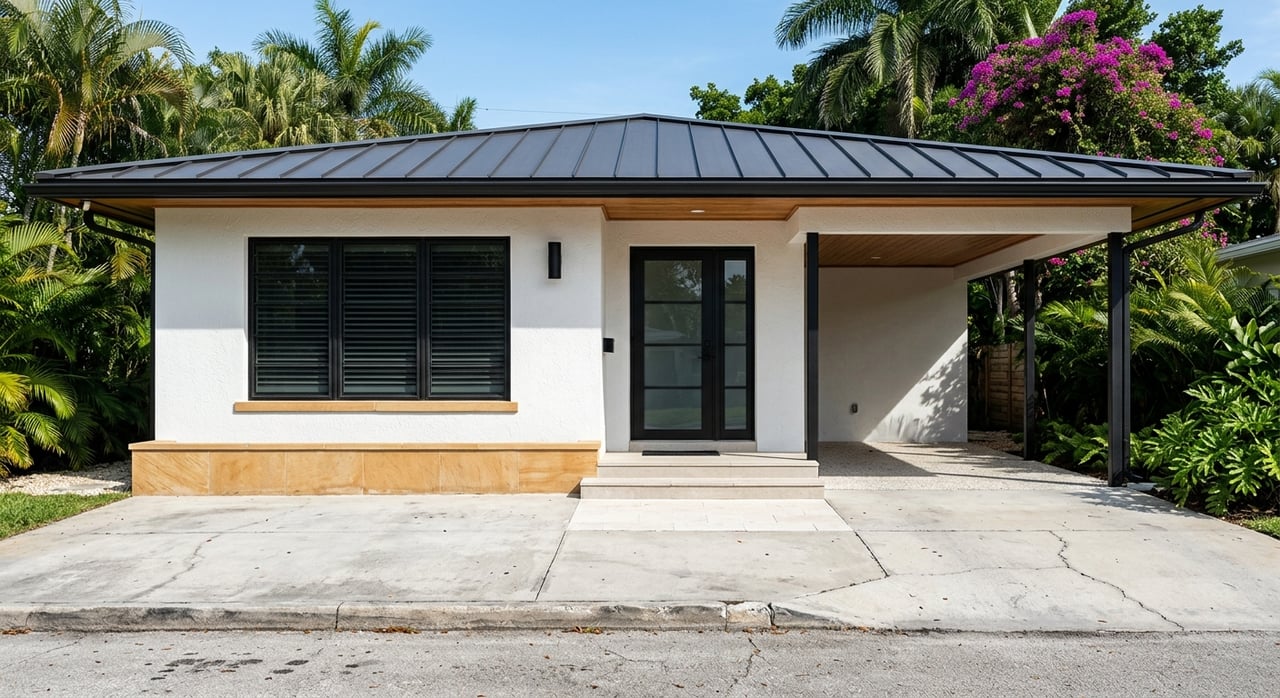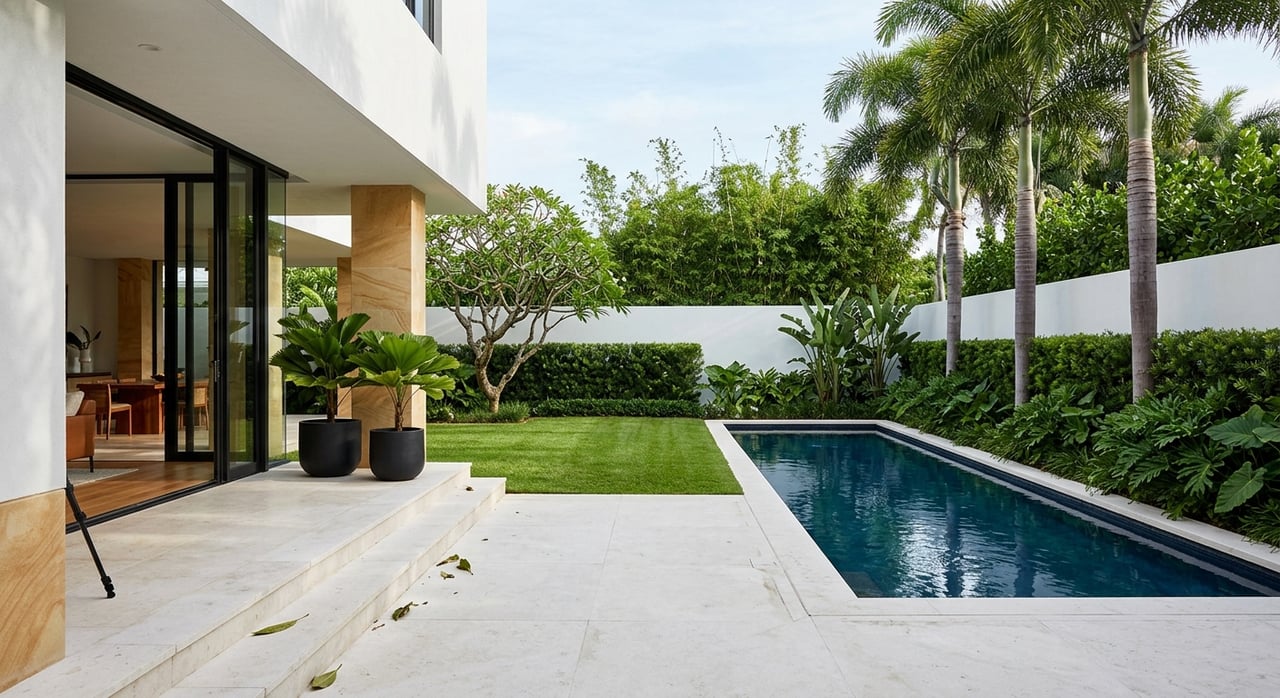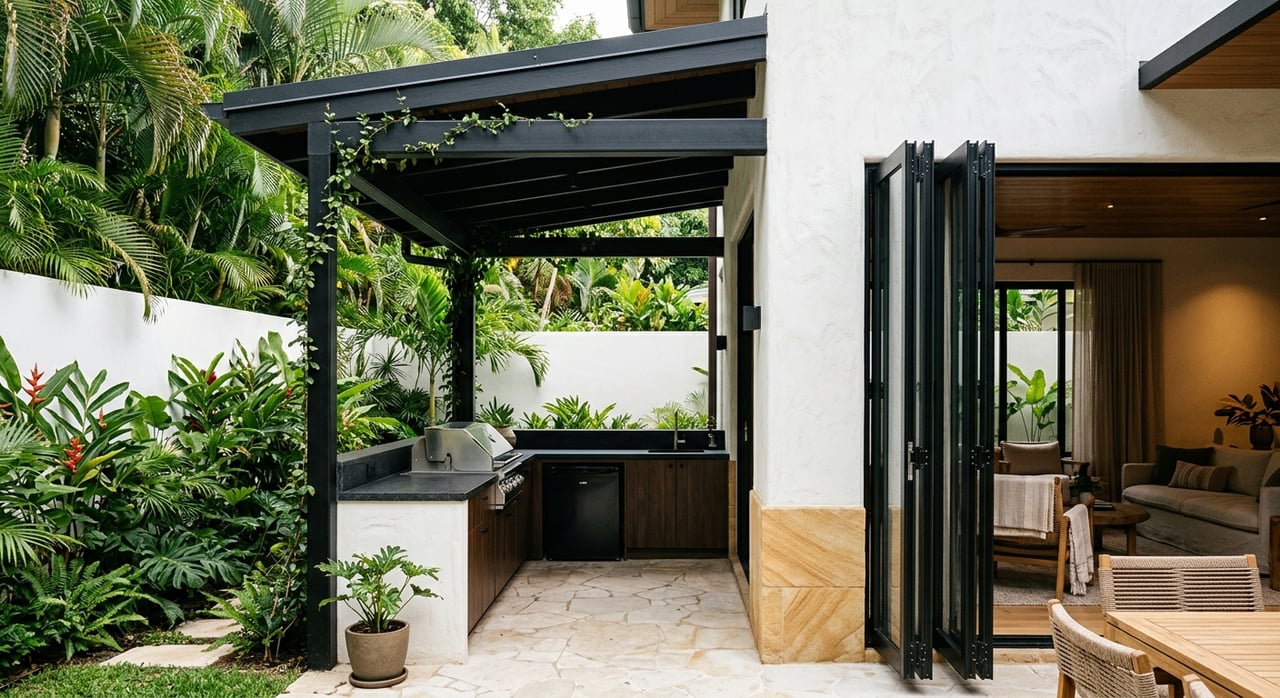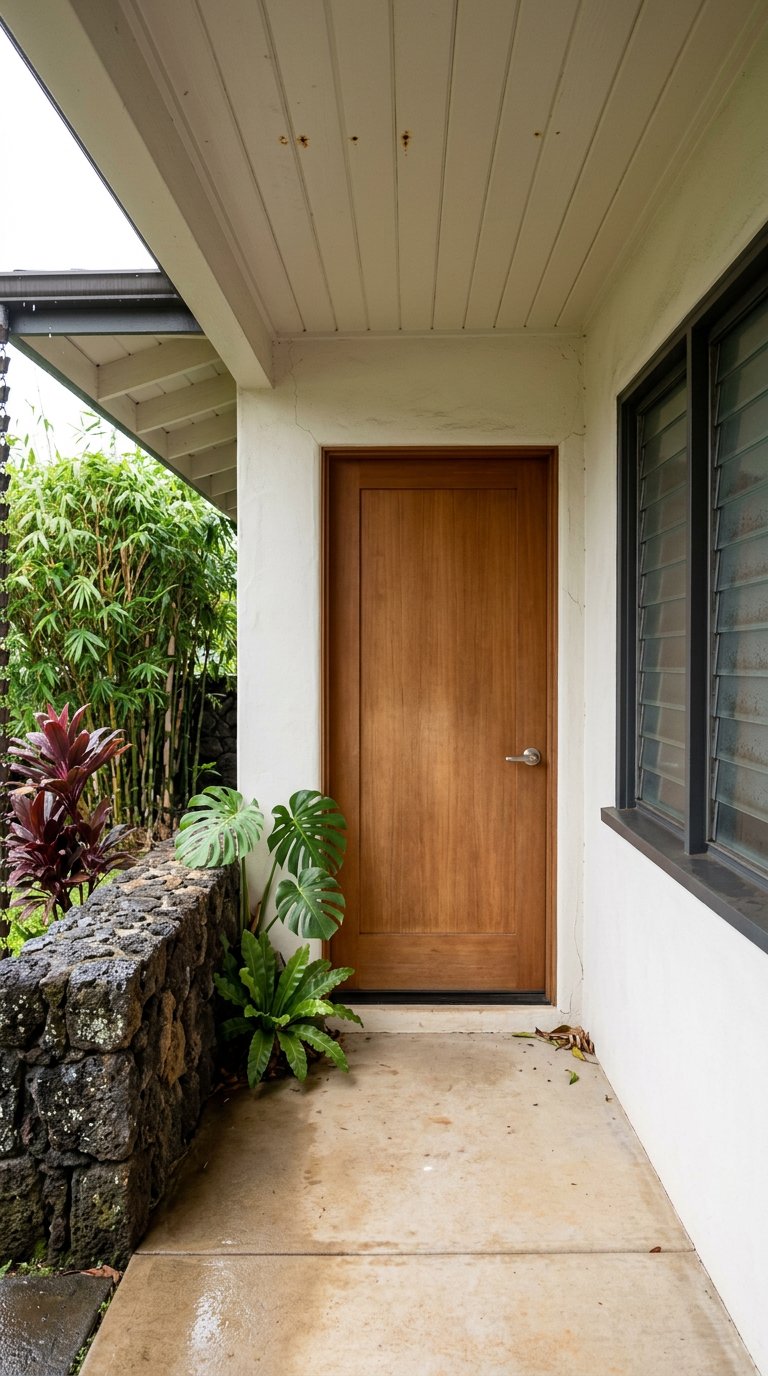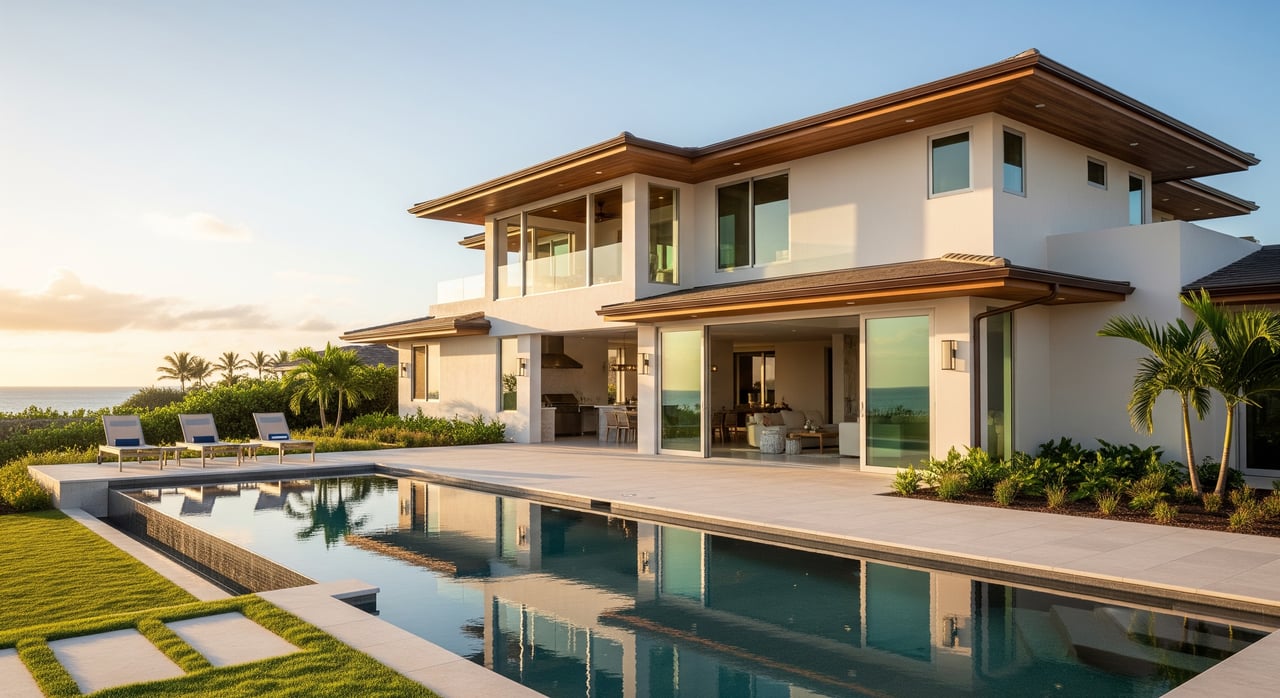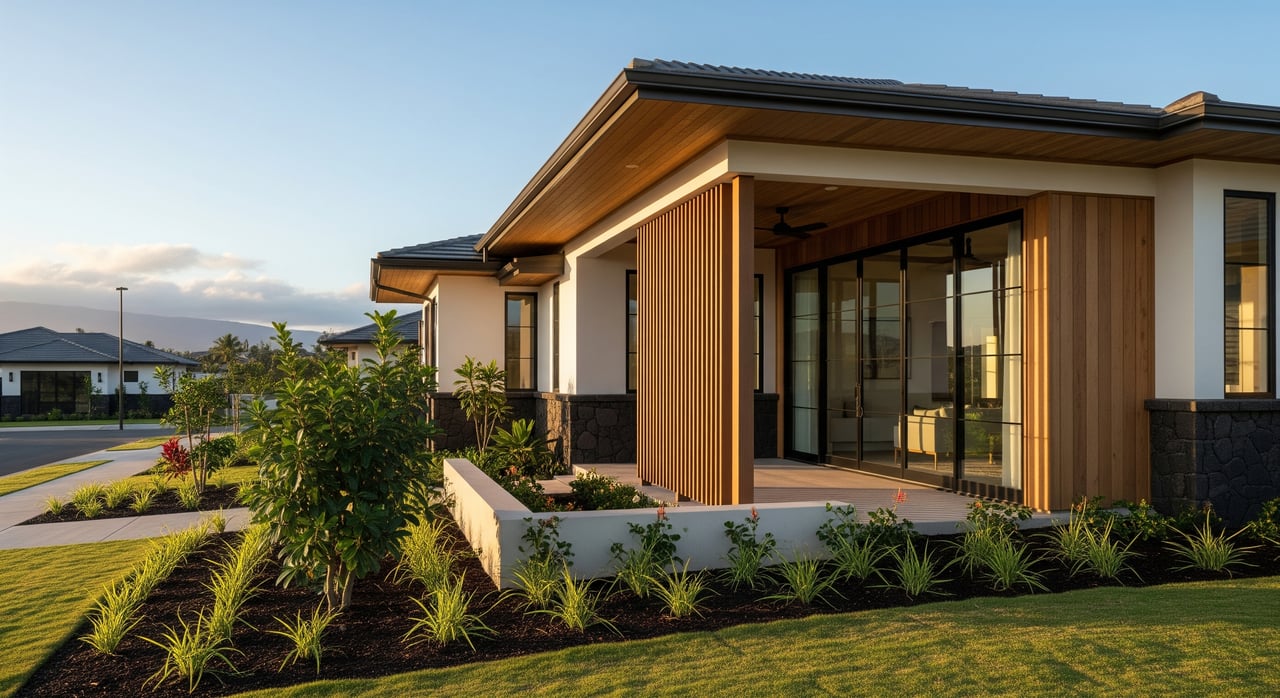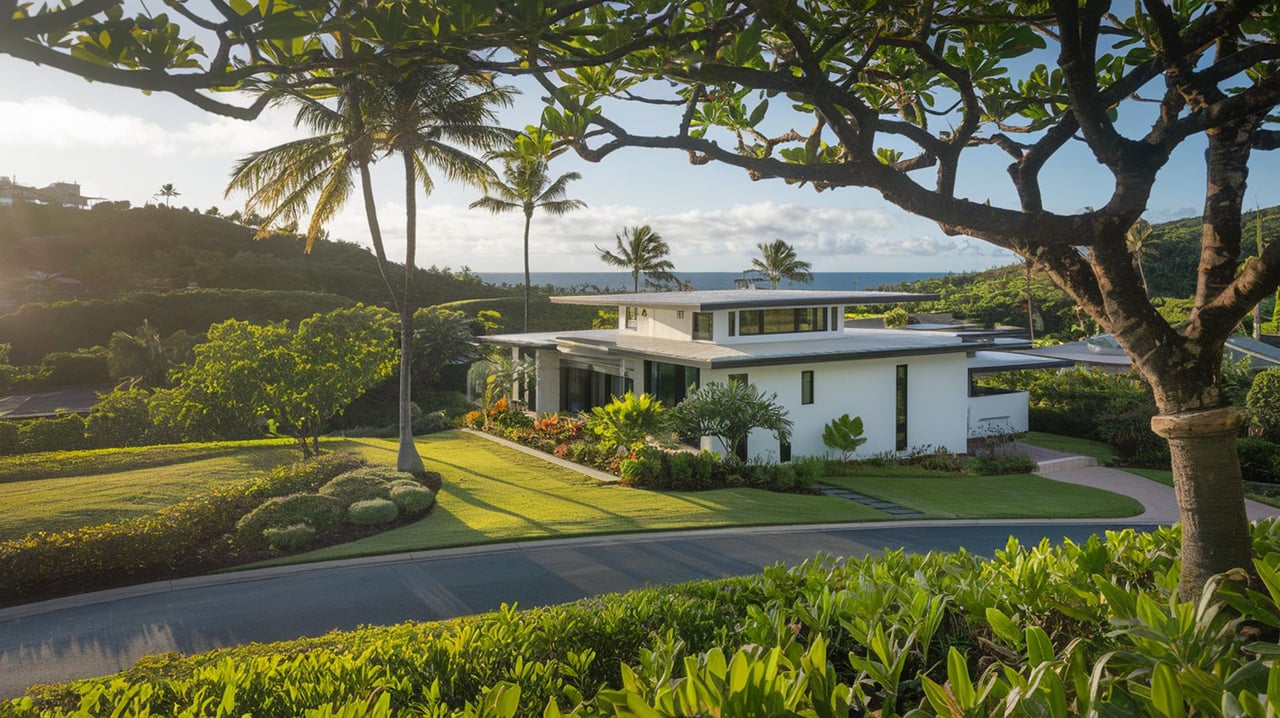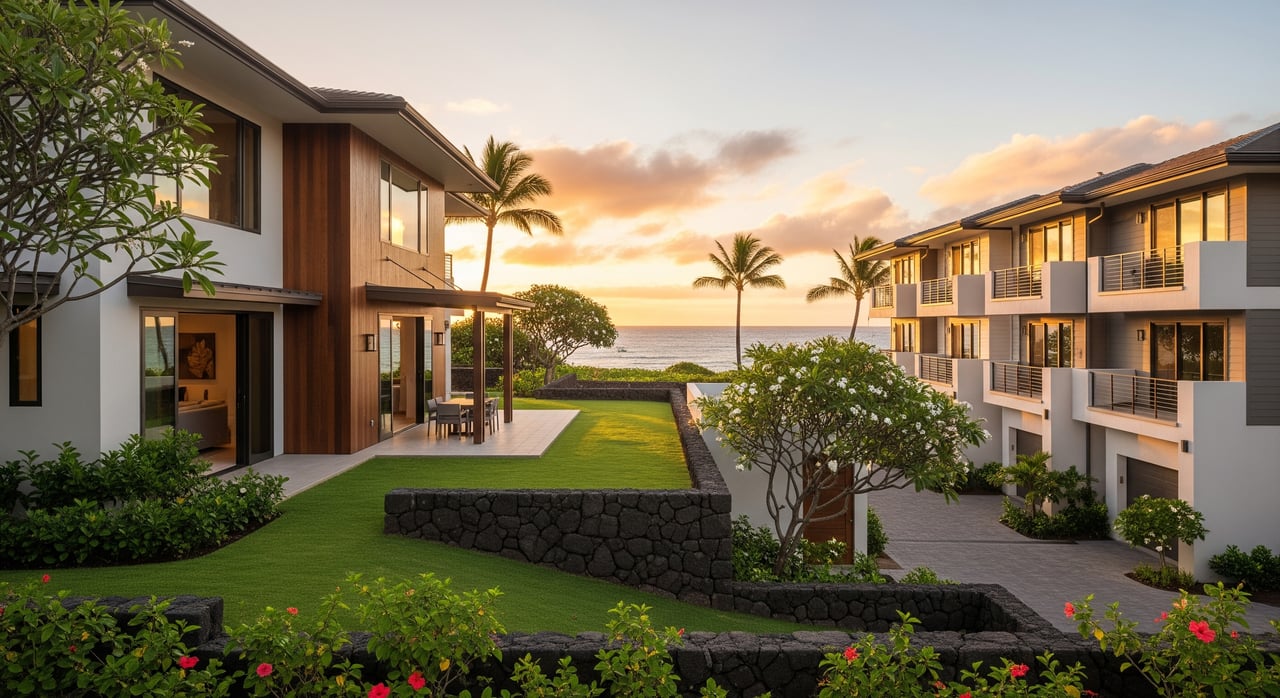
Torn between a single-family home and a townhome in Ewa Beach? If you’re weighing space, budget, and day-to-day upkeep, you’re not alone. Many first-time buyers and growing families in West Oʻahu face the same decision. In this guide, you’ll learn how costs stack up, what maintenance looks like for each option, and how lifestyle factors like parking and amenities can tip the scale. You’ll also get a practical worksheet to compare two properties side by side. Let’s dive in.
The big picture in Ewa
Ewa is one of Oʻahu’s main growth areas, with master-planned communities that blend parks, sidewalks, and shared amenities. You’ll find a wide mix of housing types, from detached single-family homes to row homes and townhomes. Neighborhoods like Hoopili, Ocean Pointe, Ewa Gentry, and Hoakalei offer different product types and community features that appeal to families.
Because land is limited across Hawaiʻi, builders often include higher-density options like townhomes alongside single-family lots. That means you can usually compare similar-age homes across both types in the same general area. Your goal is to look past the list price and compare total cost, upkeep, and how you’ll actually live day to day.
Compare total cost of ownership
When you compare a single-family home to a townhome, consider the whole picture, not just the mortgage.
Up-front and financing costs
- Purchase price: Detached homes often cost more than townhomes, but local inventory and lot size can create exceptions.
- Down payment and loan type: Conventional, FHA, and VA financing apply to both. If you are using a first-time buyer or special program, confirm unit-type eligibility and any restrictions.
- Closing costs: Expect similar line items across both property types. Watch for special assessments on attached units and possible seller credits on any property.
Monthly and recurring costs
- Mortgage principal and interest: Tied to your price, rate, and down payment.
- Property taxes: Honolulu County taxes are based on assessed value and classification. Rates are lower than many mainland areas, but assessed values can be high in desirable neighborhoods. Verify current rates and any exemptions you may qualify for.
- Homeowners insurance: Hawaiʻi’s weather and replacement costs can affect premiums. If a property is in a FEMA flood zone or a lender requires it, plan for flood insurance as well.
- HOA dues: Townhomes usually include dues that cover reserves and shared services like exterior maintenance, landscaping, common-area insurance, trash, and amenities. Some single-family neighborhoods also have HOAs with separate dues.
- Utilities: You’ll pay for water, sewer, electricity, and trash. Attached homes may lower exterior lighting or landscaping-related costs, but interior use is similar.
Maintenance and reserves
- Single-family homes: You’re responsible for roof, exterior, yard, fencing, irrigation, driveway, and any systems on the property. Many owners budget about 1 percent of the home’s value per year as a starting point for upkeep, adjusting for age and condition.
- Townhomes: HOAs often handle the building envelope, shared roofs, exterior paint, common pest control, and landscaping. You’re still responsible for interiors and any limited private yard or patio. HOA reserves help fund big projects, but special assessments can occur. Review financials.
The bottom line: A townhome can reduce your hands-on work and move some costs into predictable dues, but you accept HOA rules and the possibility of assessments. A single-family home usually brings more direct upkeep along with more control and flexibility.
Lifestyle tradeoffs that matter in Ewa
Beyond the dollars, your day-to-day routine should guide your choice.
Parking and vehicles
- Single-family homes often include a garage and driveway with easier street parking for guests. This can be important for multi-driver households.
- Townhomes may have assigned parking, smaller garages, and tighter drive aisles. Visitor parking can be limited and rules may restrict street parking.
Outdoor space and storage
- Single-family homes usually have larger private yards and more storage options for gear, tools, or outdoor hobbies. You may have more flexibility for sheds or lanai expansions, subject to permits.
- Townhomes lean toward smaller patios or shared green spaces. This suits buyers who want less yard work.
Privacy and noise
- Detached homes have fewer shared walls, which generally improves privacy and reduces sound transfer.
- Townhomes share walls or floors. Modern construction and good management help, but always evaluate layout and materials.
Amenities and community feel
- Many townhome communities and master-planned areas include pools, playgrounds, fitness rooms, and community centers. You get access without maintaining them yourself.
- Some single-family neighborhoods also offer amenities, often at a premium and sometimes with separate dues.
Commute, coastal, and insurance factors
Ewa residents often commute along the H-1 corridor toward central Honolulu and other job centers. Peak-hour traffic is a real factor, so test your drive times if you can. If your routine includes school drop-offs, sports, or caregiving visits, add those routes to your time check.
Parts of Ewa sit near the coast or low-lying areas. Check each property’s flood zone and any coastal or drainage considerations. Insurance in Hawaiʻi can reflect wind exposure, salt-air wear, and storm risk, so compare policies and coverage types as part of your cost review. If a lender or flood zone requires flood insurance, include that premium in your monthly total.
Neighborhood snapshots to compare
Here’s how popular Ewa-area communities differ at a high level. Always confirm specifics through HOA documents, county records, and your agent.
Hoopili
- Mix of row homes, townhomes, duplexes, and detached single-family. Newer construction and builder warranties are common.
- Designed with parks and growing community infrastructure. Schools and amenities expand as development progresses.
- Consider build timelines, any builder incentives, and future infrastructure plans.
Ocean Pointe
- Established Ewa Beach area with a blend of single-family homes, townhomes, and condos.
- Access to parks and nearby shoreline areas. Family-friendly public spaces are a draw.
- Review subdivision rules. Some areas have HOAs, others are fee-simple single-family without shared amenities.
Ewa Gentry / Ewa Villages
- Primarily detached homes with some attached housing nearby.
- Popular with buyers who want private outdoor space and neighborhood parks.
- Check HOA type, if any, and community guidelines for exterior changes.
Hoakalei
- Planned community with higher-end detached homes and pockets of townhomes.
- Appeals to buyers who value a country-club lifestyle and nearby golf amenities.
- Expect HOA or club-related fees tied to amenity access. Verify what is included.
When comparing communities, verify: current HOA dues and reserve funding, any deed restrictions or occupancy limits, flood zone status, building permit history, seller disclosures, and proximity to the everyday places you frequent.
Use this side-by-side worksheet
Create two columns and fill in the same details for a single-family home and a townhome. Then total your monthly cost and sanity-check the 5-year picture.
- Address / community / unit type
- Purchase price
- Loan type and interest rate
- Down payment amount
- Estimated monthly mortgage principal and interest
- Property tax rate and estimated annual tax
- Homeowners insurance estimate
- Flood insurance required and estimate
- HOA dues and what they cover (exterior, landscape, trash, amenities, reserves)
- Any known or expected HOA special assessments
- Utilities (average water, sewer, electricity, trash)
- Estimated maintenance reserve
- Starting point: about 1 percent of home value per year, adjusted for age and condition
- For townhomes: interior-focused reserve plus awareness of HOA projects
- Landscaping and yard maintenance costs
- Parking adequacy for your household and visitors
- Storage and garage space needs
- Commute time to work, school, and errands
- Amenities valued most (pool, playground, community center)
- Flexibility needs (ability to add an ADU, expand yard, or modify exterior)
- Resale considerations (likely buyer pool and demand)
- Intangibles: privacy, noise tolerance, desire to garden or DIY
Suggested totals:
- Monthly housing cost = mortgage + property tax/12 + homeowners insurance/12 + flood insurance/12 + HOA dues + utilities + maintenance reserve + yard care
- 5-year projection: include principal paid, expected capital repairs, and possible HOA assessment scenarios
How to make the call
- Clarify your top two priorities. For example, if you want a private yard and extra parking, a single-family home may fit best. If you want low exterior upkeep and a pool, a townhome might win.
- Run the worksheet on two real listings. Numbers beat assumptions. Compare total monthly cost, not just the mortgage.
- Weigh commute and daily logistics. Small time savings add up over a year.
- Read the documents. HOA CC&Rs, financials, and reserve studies matter for attached homes. For any property, review seller disclosures, flood zone details, and permit history.
- Think resale. A single-family home can attract a broad buyer pool and offer more flexibility. A townhome can draw buyers seeking lower upkeep and amenities. Healthy HOAs help resale.
Ready to see how these tradeoffs play out in Ewa’s neighborhoods and current inventory? Reach out for a local, side-by-side walkthrough and a tailored cost comparison.
If you want a calm, clear path to the right Ewa home, connect with Amber Parry. You’ll get neighborhood-level insight, a practical worksheet, and a plan that fits your goals.
FAQs
What costs should I compare for Ewa single-family vs townhome?
- Compare price, loan terms, property tax, homeowners and flood insurance, HOA dues and what they include, utilities, maintenance reserve, yard care, and potential HOA assessments.
Do HOA fees in Ewa townhomes replace maintenance costs?
- HOAs can reduce your personal upkeep by covering exteriors, landscaping, and shared areas, but you still pay through monthly dues and you should plan for possible special assessments.
Are single-family homes in Ewa always more expensive than townhomes?
- Often they are, but not always. Local inventory, lot size, and neighborhood features can flip the script, so compare specific properties with a full cost worksheet.
How do Ewa commute times affect my decision?
- If you commute along H-1 during peak hours, test drive times. A home that saves you time each day can offset differences in price or HOA dues when you add everything up.
What inspections and documents matter most for Ewa properties?
- Get a standard home inspection and termite check. Review seller disclosures, flood zone details, and permit history. For townhomes, review HOA CC&Rs, financials, meeting minutes, and reserve studies.
How should families weigh yard space vs amenities in Ewa?
- If daily playtime and private outdoor space are priorities, a single-family yard can be worth the upkeep. If you prefer shared parks and a pool with less maintenance, a townhome community may fit better.